
Posts by x3sports
Benefits of Strengthening Your Core: (Hint: It’s More than Abs)

At X3 Sports, we get it—strengthening your core isn’t just the latest fitness fad. It’s like the VIP pass to all-around awesomeness. Sure, having a chiseled midsection is cool and all (because who doesn’t want abs that make a statement?), but strengthening your core is like a secret ingredient for a healthier, more powerful you. So, let’s get the juicy details on why strengthening your core is a game-changer and how our classes can help you flex that core strength like a pro.
Stand Tall, Look Good
Let’s face it: nobody likes to be the hunchback of Instagram. Strengthening your core is the ultimate hack for showing off that “I totally have my life together” posture. Imagine your core muscles as the unsung heroes—your abdominal muscles, lower back, hips, and pelvis all teaming up to keep you upright and fabulous. When these muscles are on point, you’re not just looking good, you’re feeling great. Our classes are like the backstage pass to this core-strengthening concert, helping you stand tall and proud with every move.
Back Pain? Not on Your Watch
If your back is staging a daily protest, it’s time to bring in the reinforcements. Strengthening your core is like giving your spine a secret service team. Those core muscles? They’re basically your spine’s personal bodyguards. With a strong core, you’re not just reducing back pain—you’re practically banishing it. Our classes are designed to tackle those pesky back issues, so you can go about your day (and your workouts) without feeling like you’re auditioning for a role in a pain commercial.
Balance Like You’re Avoiding Your Ex in a Crowd
Ever try to balance on one leg while juggling a smoothie and your phone? Spoiler alert: it’s not easy. Strengthening your core is your secret weapon for nailing balance and stability. With a rock-solid core, you’re like a human stabilizer, making those tricky moves and everyday tasks look effortless. Our classes are like your personal balance coach, helping you stay steady whether you’re scaling Mount Everest (or just a flight of stairs) or carrying groceries in one trip since two trips are for chumps (kidding… maybe).
Boost Your Performance
Want to be the Usain Bolt of your fitness routine? Strengthening your core is the turbo boost your performance needs. Think of your core as the powerhouse that supercharges every move. Whether you’re lifting weights, sprinting, or mastering your sport, a strong core ensures you’re not just participating but dominating. Our classes are designed to turn you into a performance powerhouse, so you can break records and impress yourself (and maybe even your pets).
Injury Prevention: Your New BFF
Nobody invites injuries to the party — they’re like that one friend who will order the most at an expensive restaurant and then suggests they split the bill — not cool. Strengthening your core is like building a fortress around your body that keeps the party crashers (and moochers) away. A strong core stabilizes your spine and key structures, making you less likely to get hurt during workouts or everyday tasks. With our classes, you’re not just building strength—you’re building a robust defense system to keep injuries at bay.
Breathe Easy, Train Hard
Breathing might seem like the world’s easiest task, but with a strong core, it’s like upgrading from a tricycle to a sports car. Shocking right? By strengthening your core, it helps your diaphragm work like a pro, leading to more efficient breathing and improved lung capacity. Imagine breathing so smoothly that you could probably win a gold medal in oxygen efficiency. Our Yoga classes include breathing techniques that’ll have you breathing easy while you conquer your fitness goals.
Flexibility Goals: Achieved
Let’s talk flexibility. No, not just touching your toes, but actually moving with grace and ease. Strengthening your core helps you stay flexible and mobile, turning you into a bendy fitness guru. With a strong core, you’ll find yourself moving more fluidly and performing exercises with perfect form. Incorporating flexibility and mobility drills into your routine will have you bending down to pick things up without turning it into a dramatic performance worthy of an Oscar.
Strengthen Your Core at X3 Sports
Ready to jumpstart your journey to a stronger core? We’ve got the classes that’ll make strengthening your core not only effective but also fun. Our programs are crafted to help you build and maintain core strength, giving you the tools to conquer your fitness goals with flair. Whether you’re a newbie or a seasoned athlete, our classes will guide you towards a core that’s strong, healthy, and ready to take on the world.
Come join us at X3 Sports and let’s make strengthening your core the best decision you’ve ever made!
What Are the Advantages of Cross-Training and How Can Anyone Do It?

Cross-training is a powerful tool for anyone looking to enhance their overall fitness and keep their workout routine fresh and exciting. For X3 members and beginners to exercise, the advantages of cross-training offers a host of benefits that can boost performance, prevent injuries, and maintain motivation. In this blog post, we’ll explore what cross-training is, its key advantages, and how anyone can start incorporating it into their fitness regimen. We’ll also emphasize the importance of personal training in achieving your fitness goals effectively and safely.
Understanding the Advantages of Cross-Training
The advantages of cross-training involves using various exercise modes to develop specific components of fitness. Instead of sticking to just one type of workout, cross-training encourages you to mix things up.
Originally popular among runners, it’s now widely used by athletes from various sports, including cycling, swimming, and more. By incorporating different types of exercises, cross-training helps improve overall fitness and performance in your primary sport or activity.
The versatility of cross-training is one of its greatest strengths. You might run one day, swim the next, and lift weights another day. This variety not only keeps your workouts interesting but also ensures that you’re developing different muscle groups and fitness components.
However, figuring out the right combination of activities can be challenging, especially for beginners. This is where personal training comes into play. A personal trainer can assess your current fitness level, understand your goals, and design a balanced cross-training program tailored specifically for you.
Major Benefits of Cross-Training
One of the standout benefits of cross-training is its ability to boost cardiovascular endurance. When you engage in different forms of exercise, your cardiovascular system gets new stimuli, leading to enhanced adaptations.
For instance, a runner might incorporate swimming to challenge their heart and lungs differently, leading to a more robust cardiovascular system. This variety can improve overall heart health and stamina.
One of the benefits of the advantages of cross-training also targets different muscle groups, which is crucial for a well-rounded physique. If you primarily run, you might not be working your upper body as much. By adding activities like rowing or weightlifting, you can strengthen these underused muscles.
This balanced approach not only improves overall strength but also enhances performance in your main sport. For example, stronger core and upper body muscles can help runners maintain better form and reduce fatigue during long runs.
Recovery and injury prevention are other significant advantages of cross-training. Repetitive strain from focusing on one type of exercise can lead to overuse injuries.
Cross-training allows muscles to recover while still staying active. For instance, a soccer player might switch to cycling between games to maintain aerobic capacity without putting additional stress on their legs. This variation in training helps prevent overuse injuries and promotes overall muscle recovery.
Mentally, cross-training can keep you engaged and motivated. Doing the same workout every day can become monotonous, leading to burnout. Introducing different activities can make exercise more enjoyable and help maintain enthusiasm. Whether it’s a high-intensity spinning class for a change of pace or a relaxing yoga session to unwind, the variety can keep you mentally refreshed and more committed to your fitness goals.
A personal trainer can be instrumental in maximizing these benefits. They can provide expert guidance on how to combine different exercises effectively, ensuring that each workout contributes to your overall fitness goals. Personal trainers can also monitor your progress and adjust your program as needed, helping you avoid plateaus and continuously improve.
Practical Tips for Implementing Cross-Training
To get the most out of cross-training, start by assessing your fitness level and goals. If you’re new to exercise, begin with activities that match your current fitness level and gradually increase intensity.
Choose exercises that align with your goals—whether it’s improving endurance, building strength, or enhancing flexibility. Enjoyment is key, so select activities you find fun and sustainable, such as swimming, cycling, or yoga.
Planning your schedule is essential. Integrate cross-training into your weekly routine by alternating different activities. For example, you might run on Mondays, swim on Wednesdays, and attend a yoga class on Fridays.
This balanced approach ensures that you’re working various muscle groups and getting a mix of cardiovascular, strength, and flexibility training.
Working with a personal trainer can make planning and implementation much easier. They can help you create a structured schedule that fits your lifestyle and goals, ensuring that you get the most out of each workout. Additionally, a personal trainer can provide the accountability and motivation needed to stick with your cross-training routine.
Getting Started with Cross-Training
When starting cross-training, it’s important to ease into it. Avoid overexerting yourself by beginning with low-intensity activities and gradually increasing the duration and intensity. Listen to your body and adjust your workouts based on how you feel. If something doesn’t feel right, don’t push through the pain—take a break or try a different activity.
Personal training can play a crucial role in successfully incorporating cross-training into your fitness routine. A personal trainer can provide customized guidance based on your fitness level, goals, and any specific needs or limitations you might have. They can design a balanced program that includes a variety of exercises tailored to your interests and objectives.
With professional advice, you can avoid common mistakes, stay motivated, and achieve your fitness goals more efficiently. Personal trainers also offer valuable support and encouragement. They can help you stay on track, celebrate your progress, and overcome any challenges you encounter along the way.
Whether you’re a beginner or an experienced athlete, the expertise of a personal trainer can elevate your cross-training experience and results.
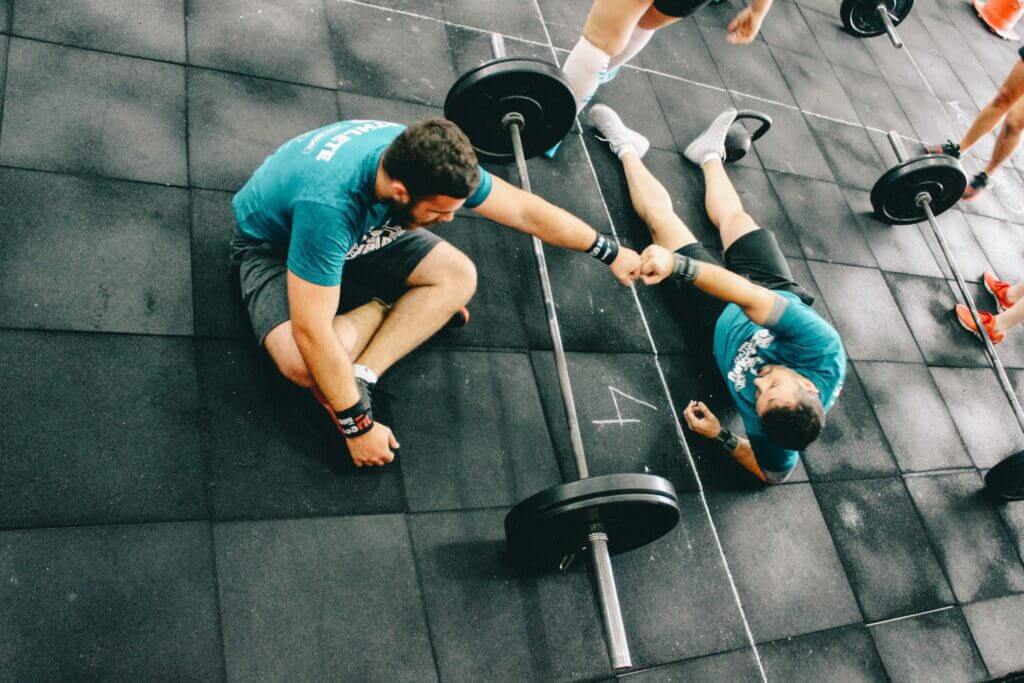
Cross-training offers numerous benefits, from boosting cardiovascular endurance and targeting different muscle groups to aiding recovery and keeping workouts mentally engaging. For X3 members and beginners to exercise, it’s an excellent way to enhance overall fitness and maintain motivation.
By integrating various activities into your routine and considering the guidance of a personal trainer, you can enjoy the many advantages of cross-training and achieve your fitness goals safely and effectively.
So, why not give cross-training a try?
Start incorporating different activities into your workout routine and experience the benefits firsthand. Share your cross-training experiences and tips in the comments below. And remember, personal training can be your secret weapon for success—don’t hesitate to seek the expert guidance that can make all the difference in your fitness journey. Happy training!
FREE PERSONAL TRAINING SESSION WITH MEMBERSHIP | WEST SIDE GYM: HAVE YOU BEEN TO ATLANTA’S HOTTEST FITNESS SPOT? | SHOULD I TAKE CIRCUIT TRAINING CLASSES?
Boxing for Ladies: A Comprehensive Guide to Getting Started

Have you been watching women’s Olympic boxing and wondering what boxing for ladies training looks like and if you have what it takes? You do! Boxing is for everyone, including women.
More women are stepping into the ring, discovering the amazing benefits of boxing for fitness, confidence, and overall well-being. Whether you’re looking to shake up your workout routine with a new fun cardio workout, find a new way to blow off steam, or just really want to be able to throw a punch this guide has got you covered.
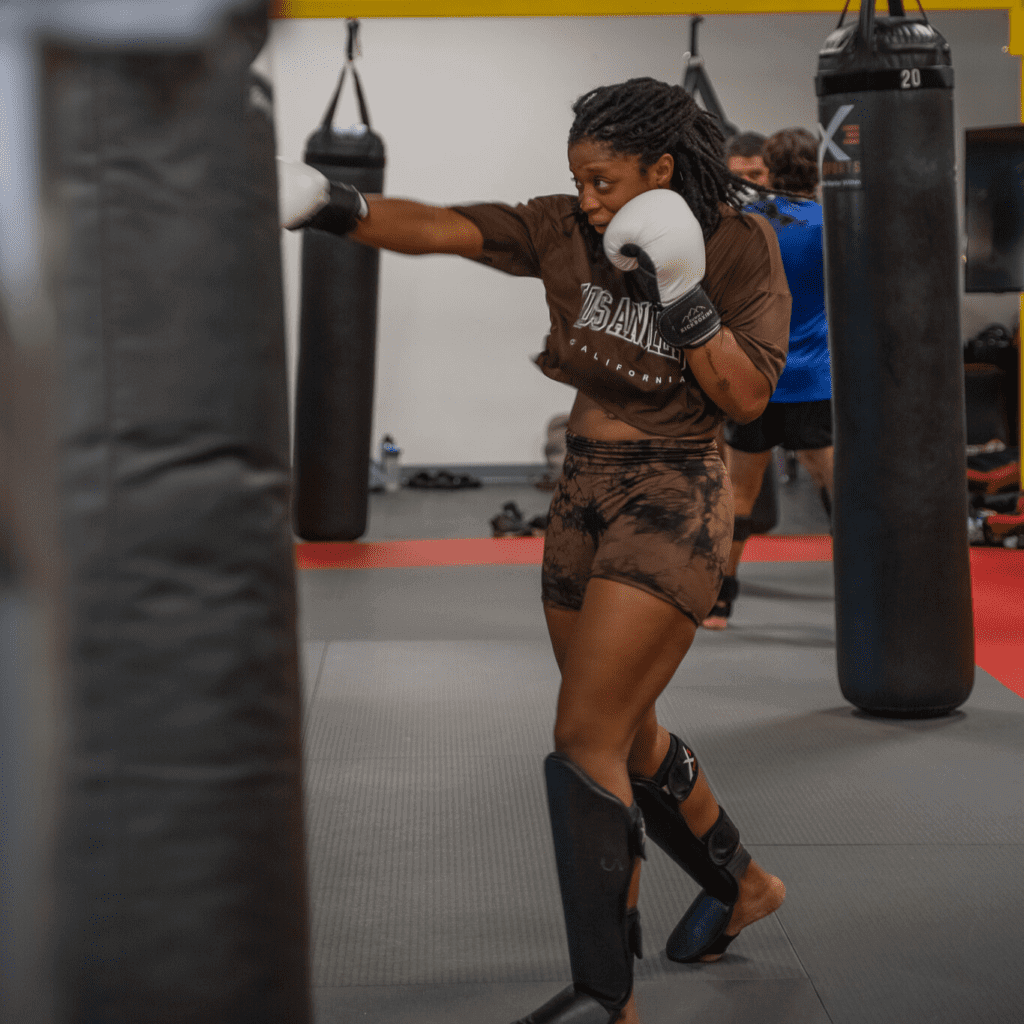
Why Boxing for Ladies?
Boxing has a variety of benefits, from physical to mental health, and is a great place to meet other women and make friends. There’s a place for everyone in our boxing gyms.
Health Benefits
Boxing isn’t just about throwing punches—it’s a full-body workout that can transform your fitness level. It boosts cardiovascular health, strengthens muscles, and helps you tone up. Plus, it’s a killer calorie burner, making it perfect for those looking to lose weight or stay in shape.
For starters, boxing is a fantastic cardio workout, which means it’s great for your heart and lungs. By regularly getting your heart rate up, boxing helps improve your cardiovascular endurance and can even lower your risk of heart disease.
The quick movements and footwork in boxing help to improve your coordination and balance, which are crucial for staying active and injury-free in everyday life. That’s not to say you won’t also build muscle from boxing. Boxing is a full-body workout that engages all major muscle groups, helping you build strength and tone up.
Whether you’re throwing punches, working on footwork, or doing conditioning exercises, you’re constantly working your core, arms, legs, and back. It’s like a one-stop shop for fitness, making it an efficient way to work out and stay healthy.
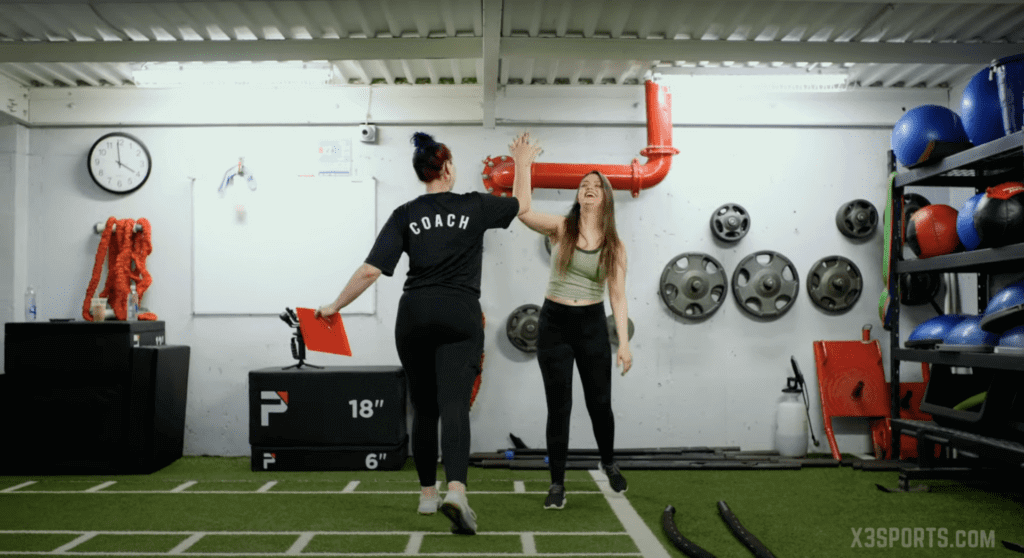
Mental and Emotional Benefits
Beyond the physical perks, boxing is a great way to boost your mental health. It can build confidence as you master new skills and push your limits. It’s also a fantastic stress reliever, helping you channel any frustrations in a positive way. The sense of empowerment you get from boxing is unbeatable, and it can be a game-changer for your self-esteem.
Punching, whether it’s a heavy bag or mitts, is a powerful stress reliever. It allows you to channel any pent-up frustration or anxiety into a productive, physical exercise, leaving you feeling lighter and more relaxed afterward. The intense focus required during training also serves as a mental escape, helping you to clear your mind of daily worries and be present in the moment.
The focus required for boxing not only improves your skills in the ring but also promotes mindfulness, which is known to reduce stress levels. Mastering new skills and seeing your progress can significantly boost your confidence and self-esteem. Whether you’re having a tough day or just need to clear your head, boxing provides a healthy and constructive outlet for managing stress and improving your mental well-being. (And let’s be honest, we women need a healthy outlet from time to time.)
Common Myths and Misconceptions About Women in Boxing
Unfortunately, throughout the decades there has been a lot of misinformation and stereotyping around boxing for women. We’re here to bust some of those myths and misconceptions. The reality is that boxing is a fun workout for everyone, regardless of gender. And, believe it or not, you can still be a girly girl and box. We’re proof of that!
Myth 1: Boxing is Too Aggressive for Women
There’s a misconception that boxing is all about aggression. In reality, it’s a sport that focuses on technique, strategy, and self-control. It’s more about skill than strength, making it accessible and enjoyable for everyone, regardless of their size or fitness level.
Myth 2: You Need to Be Extremely Fit to Start
Think you need to be in top shape to start boxing? Think again! Boxing classes are designed for all fitness levels, from beginners to advanced athletes. You don’t need to be super fit to get started; you’ll improve your fitness as you go.
Myth 3: Boxing Gyms are Intimidating for Women
While some may feel nervous about stepping into a boxing gym, many gyms are welcoming and supportive environments. There’s definitely a stereotype of macho, aggressive men being the sole boxing participants. While those types do exist, that’s not what you’ll find in our gyms. In fact, in our experience, most people who take part in martial arts and boxing are very welcoming, especially to beginners.
So What Happens in a Boxing Class?
Let’s remove some of the mystery around what happens in a boxing class. Not every class is the same, and each trainer might include different drills and exercises. However, the general structure of classes remain the same.
Start With a Warmup and Drills
Your first boxing class will start with a warm-up to get your body ready. Expect activities like jumping rope, shadow boxing, and dynamic stretches. These exercises help prevent injuries and get you in the zone for a great workout.
Move Into Basic Training and Technique Practice
Next, you’ll learn the basics—like how to throw a proper punch and the importance of footwork. Don’t worry if you’ve never boxed before; everyone starts as a beginner. Trainer will come around and correct your form and give guidance when needed. Once you feel comfortable with your technique, you’ll move into partner work (not sparring!). Partner work might include working with pads or taking turns holding a heavy bag.
Finding the Right Boxing Gym and Community
Choosing the right gym can make all the difference. Look for one that’s convenient and has experienced trainers who can guide you safely through your boxing journey. The right trainer can help you learn proper techniques and boost your confidence.
Building a Supportive Community
One of the best parts of boxing is the community. Training with others can be incredibly motivating and fun. A supportive group can help you stay on track with your goals and make your workouts something to look forward to.
Get the Right Gear: What You’ll Need to Start Boxing
Chances are, you don’t have boxing gear lying around if you’ve never taken a class before. Don’t worry! We’ve got you covered with rental gear for your first class. Here’s what you’ll need.
Gloves and Hand Wraps
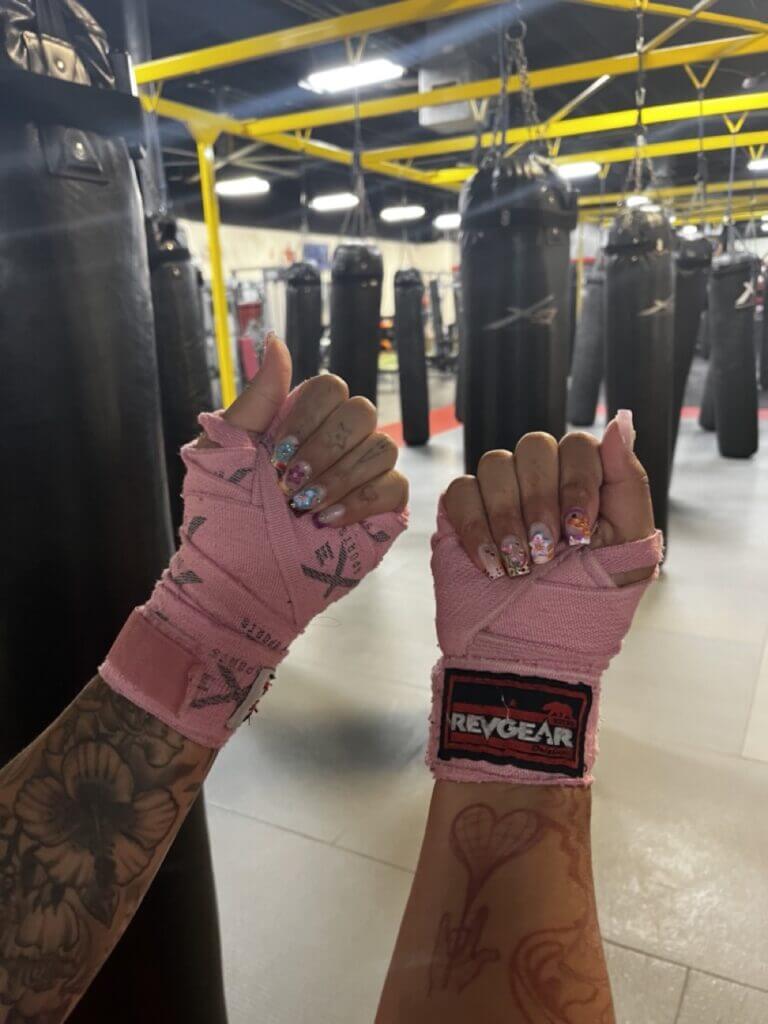
Gloves and hand wraps are the bare minimum to starting boxing. They protect your hands and wrists, helping to prevent injuries. When choosing gloves, make sure they fit well and feel comfortable. If you’re taking a class at X3, our staff will make sure your hands are wrapped properly and your gloves fit.
Additional Safety Gear for Advanced Boxig
If you plan on venturing into advanced boxing territory, a mouthguard is essential, especially if you plan on sparring. It protects your teeth and gums, giving you peace of mind during your workout. Depending on your level of training, you might also consider headgear and other protective equipment. As a beginner, you don’t need to worry about this. Gloves and handwraps are all you need to get started.
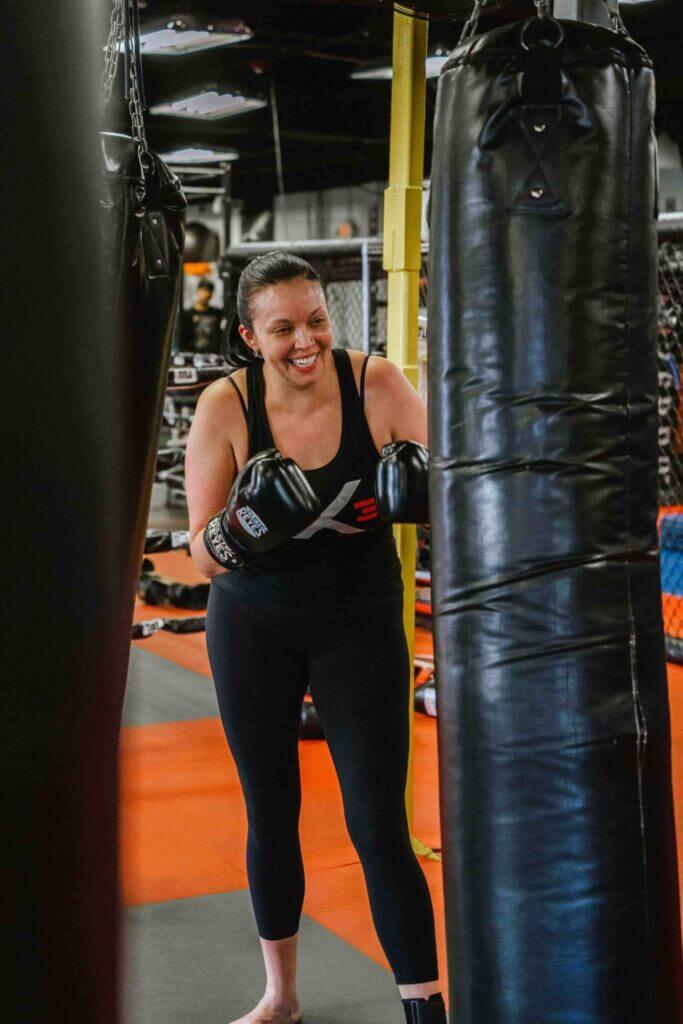
Have the Right Beginner Mindset
Learning a new skill is exciting but it has the potential to be frustrating, especially if you set the wrong expectations at the beginning of your training. Goals are important for feeling like you’re making progres and having a milestone in mind helps focus your training. How can boxing beginners start with the right mindset to keep training for the longterm?
Setting Realistic Goals
Start by setting some realistic goals. Whether it’s improving your fitness, learning self-defense, or just trying something new, having a goal can keep you motivated and focused. We recommend starting with some even smaller goals like perfecting the jab or feeling comfortable with your footwork. These small goals are key to build your confidence and skills.
Staying Motivated and Consistent
Consistency is key in boxing–really, in reaching any fitness goals. Find your motivation—maybe it’s getting fit, having a healthy stress outlet, or just having fun. Stick to a routine, and you’ll see progress and meet your goals in no time.
Embrace the Journey and Start Boxing Today!
Boxing for women is about more than just fitness—it’s about feeling strong, confident, and empowered. If you’ve been curious about giving it a try, there’s no better time than now.
Sign up for a free class at X3 Sports and discover how boxing can change your life. With five locations around metro Atlanta, including West Midtown, Inman Park, Marietta, North Marietta, and Athens, you’re sure to find a community and support system that feels like home. So, put on those gloves and start your boxing journey today!
Exploring the Difference Between Muay Thai and Kickboxing [9 Factors that Set Them Apart]

You’re here because you want to learn about the difference between muay thai and kickboxing. Both are stand-up striking arts that use punches and kicks. On the surface, it may seem like these two combat sports are similar. However, major differences set them apart regarding their origins, techniques, rules, and fighting styles.
9 Factors: The Difference Between Muay Thai and Kickboxing
1. Origin:
- Muay Thai: Originated in Thailand.
- Kickboxing: Originated in Japan and developed further in the United States.
2. Techniques:
- Muay Thai: Utilizes punches, kicks, elbows, knees, and clinch work (known as “the art of eight limbs”).
- Kickboxing: Focuses on punches and kicks only (using fists and feet).
3. Stance:
- Muay Thai: Upright stance with emphasis on balance for clinching and knee strikes.
- Kickboxing: More dynamic stance with greater emphasis on movement and footwork.
4. Clinching:
- Muay Thai: Clinch work is a significant part of the sport, involving knees and elbows.
- Kickboxing: Clinching is minimal or not allowed in most kickboxing rulesets.
5. Striking Targets:
- Muay Thai: Strikes target all areas of the body, including legs, torso, and head.
- Kickboxing: Primarily targets the torso and head, with limited leg strikes depending on the ruleset.
6. Defensive Techniques:
- Muay Thai: Uses blocks, parries, and clinching to neutralize attacks.
- Kickboxing: Focuses on evasion, blocking, and parrying with less emphasis on clinching.
7. Training Focus:
- Muay Thai: Intense conditioning, including shin conditioning and endurance.
- Kickboxing: High-intensity cardio and agility training with strength exercises.
8. Cultural Significance:
- Muay Thai: Deeply rooted in Thai culture and tradition, often accompanied by rituals and traditional music.
- Kickboxing: Less cultural emphasis, more focused on the sport and fitness aspects.
9. Competition Rules:
- Muay Thai: Allows for elbows, knees, and clinch fighting.
- Kickboxing: Generally prohibits elbows and knees, with variations in rulesets (e.g., full-contact, point fighting).
A History of Two Striking Arts
Muay Thai – The Art of Eight Limbs
Muay Thai, also known as “the art of eight limbs,” is an ancient martial art originating in Thailand over 2,000 years ago. In 2021, the International Olympic Committee recognized Muay Thai as an Olympic sport alongside kickboxing and sambo.
Developed for close-quarters combat, muay thai uses various strikes with fists, elbows, knees, shins, and feet. Muay Thai fighters are known for their devastating power, brutal clinching techniques, and grappling for dominant positions to deliver powerful knee and elbow strikes.
Kickboxing – Modern Evolution of Striking
Kickboxing also involves kicking and punching. However, its modern form began in Japan and the United States in the 1960s, making it much younger than Muay Thai.
It evolved from boxing, karate, and other martial arts to create a more dynamic, fast-paced striking sport.
The Difference in Techniques and Rules: Where the Separation Becomes Clear
Here’s where the distinctions between Muay Thai and kickboxing become apparent. Let’s explore these differences further.
Muay Thai Technique – Clinch, Elbows, and Brutal Power
Muay Thai is known for its brutal clinch fighting. Fighters battle for control of their opponent to land powerful knees to the legs, body, and head. Elbows are also thrown from the clinch, with devastating results. Muay Thai is characterized by powerful roundhouse kicks often aimed at the legs and body.
Kickboxing – Speed, Combinations, and Footwork
In comparison, kickboxing emphasizes speed, combinations, and footwork. The WKA (World Kickboxing Association) insists in its rules that professional kickboxers must throw at least eight kicks per round. Kickboxers prioritize combinations of punches and kicks, using angles and movement to evade attacks and create openings. Kickboxers execute various kicks not allowed in Muay Thai, like spinning back kicks and hook kicks.
Rules: A Defining Factor Between These Two Striking Styles
The different rulesets governing these two combat sports are important in distinguishing Muay Thai and kickboxing. They represent different philosophies and approaches to combat.
Muay Thai: Embracing Tradition and Spirituality
Muay Thai has a rich cultural heritage. Before the fight, fighters perform the Wai Kru Ram Muay. This ceremonial dance shows respect to their teachers, ancestors, and the sport. Live instruments play traditional music to accompany the Wai Kru. Once finished, the athletes return to their corners, and their teacher removes the Mongkon (traditional Thai headband) from the fighters’ heads.
Kickboxing: Modern Rules for Sport Striking
Kickboxing competitions typically don’t have these traditional elements. Fighters wear modern boxing gloves and shorts and come from diverse martial arts backgrounds. The focus of kickboxing is purely on the sport.
| Feature | Muay Thai | Kickboxing |
|---|---|---|
| Strikes Allowed | Punches, Kicks, Elbows, Knees, Clinch | Punches, Kicks (restrictions apply) |
| Clinching | Allowed and Encouraged | Limited or Prohibited |
| Traditional Aspects | Wai Kru, Mongkon, Traditional Music | Typically Absent |
| Footwork and Movement | Less Emphasis on Lateral Movement | High Emphasis on Angles and Evasion |
What is the Training and Fitness Difference Between Muay Thai and Kickboxing?
Muay Thai Training: Forging the Body and Mind
Muay Thai stands as a testament to the ancient warriors of Thailand, a martial art that conditions the body and mind with unmatched ferocity. This rigorous and comprehensive regimen demands total body engagement, sculpting muscles, and enhancing flexibility through powerful strikes and intense workouts.
A typical Muay Thai training session begins with a thorough warm-up, often involving jump rope, shadowboxing, and dynamic stretches to prepare the body for the intense workout ahead. The core of Muay Thai training involves drilling techniques on pads and bags, practicing combinations of punches, kicks, elbows, and knees. These striking drills not only build power and precision but also enhance coordination and balance.
Physical conditioning is a cornerstone of Muay Thai. Expect to engage in bodyweight exercises like push-ups, sit-ups, and squats, alongside more advanced drills such as plyometrics and explosive movements to develop strength and endurance. The sport’s emphasis on clinch work and knee strikes further builds upper body and core strength, while the high-intensity nature of the training boosts cardiovascular fitness, forging a heart as strong as your resolve.
Mental toughness is another crucial aspect of Muay Thai. The discipline required to master complex techniques and endure grueling training sessions fosters resilience and mental fortitude. Practitioners often find that the focus and perseverance developed in Muay Thai translate into other areas of life, helping them overcome challenges with a warrior’s mindset.
Beyond the physical transformation, Muay Thai offers profound mental benefits. The focus and discipline required to master the art provide a sanctuary from daily stress, fostering mental clarity and a warrior’s spirit. It’s not just about fighting; it’s about channeling inner strength and achieving balance. Each Muay Thai session pushes you beyond your limits, demanding coordination and cardiovascular prowess, creating a comprehensive transformation of both body and mind.
Kickboxing Training: The High-Intensity Warrior’s Workout
Kickboxing, with its dynamic blend of martial arts and high-intensity cardio, is the ultimate fitness challenge. This sport demands agility and power, each strike a powerful combination of speed and strength that incinerates calories and builds a lean, formidable physique. The relentless pace of training hones reflexes, ensuring that you’re always a step ahead, both in the ring and in everyday life.
Kickboxing training is synonymous with high-energy, dynamic workouts that blend martial arts techniques with intense cardio and strength training. Sessions typically start with a vigorous warm-up, incorporating activities like jumping jacks, high knees, and shadowboxing to get the heart rate up and muscles ready for action. The mainstay of kickboxing training involves hitting heavy bags and pads with powerful punches and kicks. These drills are designed to enhance striking power, speed, and accuracy. Combination drills that mix punches, kicks, and defensive moves keep the body moving constantly, ensuring a full-body workout that torches calories and sculpts lean muscle.
Strength and endurance are the hallmarks of kickboxing training. The rigorous workouts build muscle resilience and cardiovascular endurance, preparing you to conquer any physical challenge. Strength training is also integral, with routines often including bodyweight exercises, resistance training, and core workouts to build muscle and endurance. The continuous movement and explosive strikes provide an excellent aerobic workout, improving heart health and increasing stamina.
Speed and agility are key elements of kickboxing. Drills that involve quick footwork, fast combinations, and reaction time exercises help practitioners develop lightning-fast reflexes and agility. This not only enhances performance in the ring but also boosts overall athleticism and coordination. The benefits extend beyond the gym, instilling a sense of confidence and mental fortitude that permeates every aspect of life. With kickboxing, you don’t just build a stronger body; you forge a resilient, warrior-like spirit ready to face any challenge.
The Ultimate Showdown: Which Path Will You Choose?
Choosing between Muay Thai and Kickboxing comes down to your personal fitness goals and preferred training style. Muay Thai immerses you in the rich traditions of an ancient martial art, offering a holistic approach to fitness that balances the body and mind. It’s perfect for those seeking a comprehensive, full-body workout with a focus on mental clarity and stress relief.
On the other hand, Kickboxing is ideal for those who thrive on high-energy, fast-paced workouts. If your goal is to maximize calorie burn, improve reflexes, and build muscular endurance, kickboxing delivers with intensity and precision.
Both disciplines offer unique paths to unleashing your inner warrior, challenging you to push beyond your limits and achieve new heights of physical and mental strength. At X3 Sports, we invite you to experience both Muay Thai and Kickboxing, finding the perfect fit for your warrior journey. Visit us today and start your transformation with our expert trainers and state-of-the-art facilities.
Conclusion
With so many options, choosing the right martial art can seem daunting. We’ve explored the difference between muay thai and kickboxing so you can determine the right path for your fitness or self-defense goals.
Whether drawn to the raw power and ancient tradition of Muay Thai, the dynamic striking of K-1 style Kickboxing, or seeking a challenging and rewarding experience – the choice is yours.
FAQs about the difference between muay thai and kickboxing
What is the difference between Muay Thai and kickboxing?
Both sports involve punches and kicks. However, Muay Thai allows clinching, elbows, and knees in addition to punches and kicks. It also incorporates traditional Thai cultural elements. Kickboxing focuses on quick kicks and punches. Both serve different purposes and appeal to different people.
Can you knee in kickboxing?
Typically, no. Most kickboxing organizations, particularly those following K-1 rules, prohibit knee strikes to avoid serious knee injuries.
Can you defend yourself with Muay Thai?
Yes, Muay Thai is effective for self-defense. It utilizes all eight limbs. Elbows and knees are highly effective, and clinch techniques can control and subdue attackers. However, it’s always best to de-escalate conflicts whenever possible instead of resorting to violence.
Can kickboxing be used for self-defense?
Kickboxing is also helpful for self-defense. The focus on combinations, speed, and footwork translates well to real-life situations. However, its rule set may limit kickboxing in a street fight. In a self-defense scenario, using techniques to incapacitate an attacker quickly and end the conflict in your favor is paramount.
West Side Gym: Have You Been to Atlanta’s Hottest Fitness Spot?

West Side Atlanta is one of the fastest-growing neighborhoods in the metro area. Once an industrial division, now it’s filled with modern attractions like shopping, dining halls, venues, and trendy fitness gyms. Whether you’re new to the area or you’ve been in Atlanta for a while, here’s what you need to know about the hottest West Side gym, X3 Sports.
A Vibrant and Active Atlanta Neighborhood
West Side Atlanta is buzzing with energy, especially when it comes to fitness. With an increasing number of trendy gyms, yoga studios, and outdoor workout spots, it’s truly an up-and-coming neighborhood with a diverse community of growing families and working professionals. The community vibe is strong here, making it an awesome place to start or continue your fitness journey.
Jump on the Bandwagon with Trendy Fitness Classes
Whether you’re a fitness newbie or a seasoned pro, West Side Atlanta has plenty of options to choose from. From pilates, barre, cycling, high-intensity interval training (HIIT,) and weightlifting to kickboxing and yoga, there’s something for everyone. This variety in West Side not only caters to different fitness levels but also keeps things exciting and fun. X3 Sports is definitely the most valuable gym on the West Side because it offers a variety of fitness classes and experienced trainers, all at a location right in the heart of West Midtown.

Discovering West Side Atlanta: More Than Just a Fitness Hub
If you’re not already familiar with the lively West Side of Atlanta, then let us be your guide! There’s something for everyone in this part of town, from food, shopping, shows, and more.
Vibrant Neighborhood Vibes
West Side Atlanta isn’t just about fitness—it’s a vibrant neighborhood packed with culture and life. With cool cafes, unique shops, and art galleries, it’s a perfect spot to hang out before or after your workout. You can easily turn a gym visit into a full day of exploring.
Our Favorite Places to Go in West Side Near X3 Sports
- Westside Market
- Shop for vintage furniture and wares from local sellers.
- Chattahoochee Coffee Company
- Modern and lowkey cafe with delicious pastries and coffees.
- Steady Hand Brewing
- Tasty beers and live music on the weekends … name a more iconic duo.
- Chattahoochee Food Works
- A super vibrant and exciting food hall with many options to choose from for food.
Honestly, there’s so much to do on the West Side, we’ve only scratched the surface. The best way to explore is to just come walk or drive around!
Accessibility and Convenience
One of the best things about West Side Atlanta is how easy it is to get around. Whether you’re coming from downtown or the suburbs, it’s well-connected and has plenty of parking. The highways are very accessible from almost anywhere in West Side. X3 Sports West Midtown is only a few minutes off the highway. This makes sticking to your workout routine a breeze, without worrying about long commutes.
What Makes a Gym Stand Out on the West Side?
Let’s get to it. You’re looking for a workout, so what are the features that qualify a gym as “Atlanta’s hottest West Side gym”? There’s a lot to choose from, so it’s a good idea to have your priorities straight when you start to compare options.
What to Look For in a Gym
First of all, you want to make sure the gym has everything you need to get in a good workout. Look for key features like a range of equipment, a clean and safe environment, and flexible hours. It’s also important to find a place that matches your fitness goals and offers good support, like personal trainers or specialized classes. If you want to take fitness classes, you should always try to sample the class first. Most gyms offer some sort of welcome package for prospective members to try them out, and we recommend taking advantage! In fact, you can take a free class of your choice here at X3 Sports.
The Importance of a Welcoming and Comfortable Environment
A friendly and inclusive atmosphere can make a huge difference in your gym experience. Are you greeted at the door? Does the staff answer any questions you have without judgment? Do you like the training style, and do you feel supported during class? A gym that feels like a community encourages you to keep coming back and can be especially welcoming for beginners. It’s all about feeling comfortable and supported while you work out, otherwise, it’s easy to lose momentum.
Why is X3 Sports the Hottest West Side Gym?
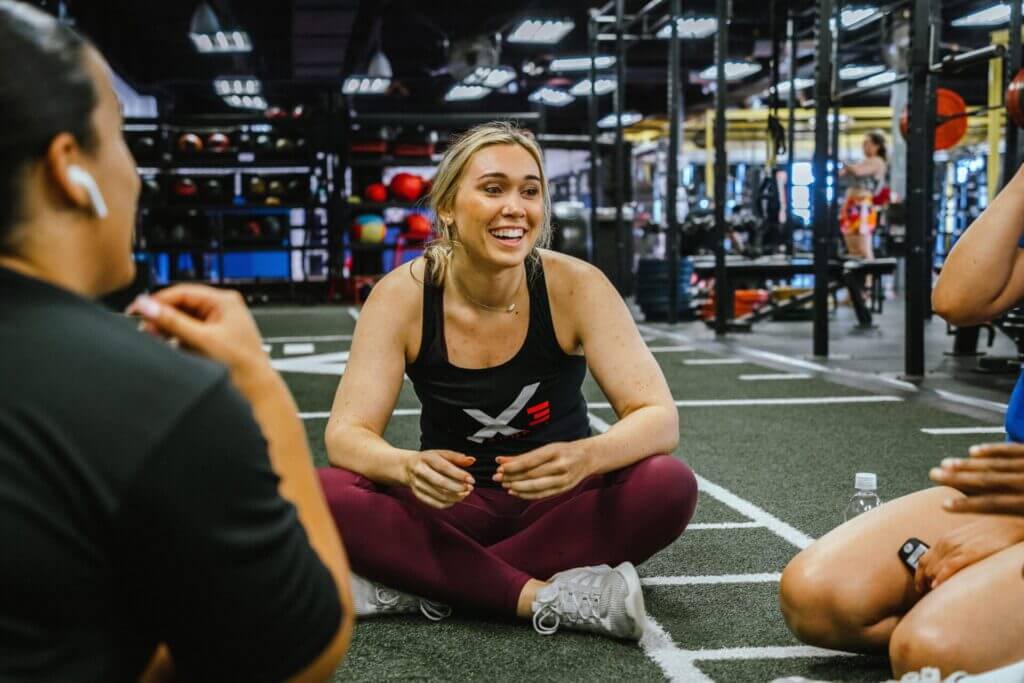
We may be biased, but X3 Sports really is the best value for your money and the best fitness community in the West Side.
Top-Notch Facilities and Equipment
X3 Sports is a standout gym on Atlanta’s West Side, offering top-of-the-line facilities and equipment. Whether you’re into lifting weights, HIIT, or martial arts, we’ve got everything you need. We cater to various workout styles, so you can easily customize your experience to best suit your interests and lifestyle.
Wide Range of Classes: From Power Lifting to Brazilian Jiu-Jitsu
The best thing about X3 Sports is the variety of workout classes you can choose from. You can try your hand at martial arts like kickboxing, boxing, Brazilian Jiu-Jitsu, or Muay Thai. Or you can get a more traditional workout with Fast Track HIIT classes or Power Track power lifting classes. Each class is beginner-friendly and *gasp* included in your membership.
Expert Trainers Committed to Your Success
The trainers at X3 Sports are passionate and experienced, ready to help you hit your fitness goals. They provide personalized guidance and motivation, making sure you’re on the right track. Whether you want to perfect your technique or push past a fitness plateau, the trainers have your back.
Why X3 Sports is More Than Just a Gym
Getting a workout like nowhere else is one thing. But let’s be honest: gyms are more than just a place to sweat. Make friends and gain a community at X3 Sports.
Building a Fitness Community
X3 Sports is more than just a gym—it’s a community. Members often form lasting friendships and find a support network that keeps them motivated. This sense of belonging makes working out more enjoyable and keeps you coming back for more.
Success Stories from X3 Members
X3 Sports members have amazing success stories, from losing weight to gaining confidence and improving mental health. These stories highlight the supportive environment and quality training at X3 Sports. They’re a great reminder that with dedication and the right support, you can achieve incredible results.
New to Fitness?
If you’re new to the gym or fitness scene, take it slow and focus on consistency. Don’t be shy about asking questions or seeking help from trainers and fellow members. Everyone starts somewhere, and the supportive community at X3 Sports is there to help you every step of the way.
Ready to Join Atlanta’s Hottest West Side Gym?
X3 Sports offers a unique mix of top-notch facilities, expert training, and a friendly community, making it the perfect choice for anyone looking to boost their fitness. With a variety of classes and an inclusive atmosphere, X3 Sports is more than just a gym—it’s a place to transform your life.
Visit X3 Sports and Transform Your Life
Don’t wait to kickstart your fitness journey. Visit X3 Sports West Midtown today, sign up for a free class, and see for yourself why it’s the hottest gym on Atlanta’s West Side. Whether you’re aiming to get fit, make new friends, or take on new challenges, X3 Sports is the place to be.
Sign up for a free class and start your journey to a healthier, happier you!
Should I Take Circuit Training Classes?
Are you looking for a workout that can fit into your busy schedule while still offering impressive results? Circuit training classes might be the perfect fit for you. Let’s dive into what circuit training is, the benefits it offers, and how to decide if it’s the right choice for your fitness journey.
What is Circuit Training?
Circuit training is a type of exercise routine that involves rotating through a series of exercises targeting different muscle groups with minimal rest in between. Each class typically includes a variety of exercises, from bodyweight movements to strength training and cardio exercises. This combination provides a comprehensive, full-body workout in a short amount of time.
Circuit training often involves stations set up with different exercises, such as squats, push-ups, burpees, and jumping jacks. Participants spend a set amount of time at each station, usually between 30 to 60 seconds, before moving on to the next exercise. The goal is to keep moving and maintain a high heart rate, which enhances both cardiovascular and muscular endurance.
Instructors may tailor classes to different fitness levels, making circuit training accessible to beginners while still challenging for advanced athletes. This flexibility ensures that everyone can benefit from the workout, regardless of their starting point.
The Benefits of Circuit Training
1. Full-Body Workout
Circuit training classes are designed to target multiple muscle groups within a single session. You’ll move through exercises that work your upper body, lower body, and core, ensuring no muscle group is left out. This is perfect for those who want to maximize their workout efficiency and hit all the major areas in one go.
By alternating between different types of exercises, such as upper body strength moves followed by lower body cardio bursts, you can ensure balanced muscle development. This variety also helps prevent overuse injuries that can occur when the same muscle groups are targeted repeatedly. The diverse nature of the exercises keeps the workout engaging and prevents boredom, which is crucial for maintaining long-term adherence to a fitness program.
2. Time Efficiency
With circuit training, you don’t need to spend hours at the gym. Most classes last between 15 to 45 minutes, making them ideal for people with busy schedules. Despite the shorter duration, the high-intensity nature of the workouts ensures you still get a comprehensive exercise session.
Time efficiency is one of the biggest advantages of circuit training. The quick transitions between exercises mean you’re constantly working, which maximizes calorie burn and muscle engagement in a short period. This is especially beneficial for individuals juggling work, family, and other commitments, as it allows them to fit effective workouts into their hectic schedules. Even a 20-minute session can leave you feeling accomplished and invigorated.
3. Cardiovascular Health
The minimal rest between exercises keeps your heart rate elevated throughout the workout. This continuous activity improves your cardiovascular health, increases lung capacity, and enhances overall endurance. Regular circuit training can help reduce the risk of heart-related issues.
Maintaining an elevated heart rate throughout the session mimics the effects of traditional cardio workouts but with added strength benefits. The variety of exercises also ensures that different parts of the cardiovascular system are challenged, improving overall heart health. Over time, regular participation in circuit training can lower resting heart rate, reduce blood pressure, and improve blood circulation, contributing to a healthier heart and vascular system.
4. Strength and Muscle Endurance
Circuit training is not just about cardio; it also includes strength training components. The varied exercises put your muscles under constant tension, promoting muscle growth and improving endurance. Whether you’re lifting weights or performing high-rep bodyweight exercises, your muscles are challenged in new ways.
Each exercise in a circuit is designed to target different muscle groups, often combining compound movements that work multiple areas at once. This type of training enhances muscle endurance by requiring sustained effort over the course of the workout. It also helps with muscle hypertrophy, or growth, as muscles are repeatedly engaged without long rest periods. This combination of strength and endurance training leads to well-rounded fitness improvements.
5. Weight Loss and Metabolism Boost
The high-intensity nature of circuit training means you burn a significant number of calories during the workout. Additionally, your metabolism stays elevated even after the session, helping with weight loss and fat reduction. It’s an effective way to shed pounds and improve body composition.
Circuit training’s combination of strength and cardio exercises creates an afterburn effect, known as excess post-exercise oxygen consumption (EPOC). This means your body continues to burn calories at an increased rate even after the workout has ended. This prolonged calorie burn can significantly contribute to weight loss efforts, especially when combined with a healthy diet. The variety of exercises also helps to target stubborn fat areas, leading to better overall body composition.
6. Versatility and Adaptability
One of the greatest aspects of circuit training is its adaptability. Exercises can be modified to match your fitness level, whether you’re a beginner or a seasoned athlete. You can adjust the intensity, duration, and rest periods to meet your individual needs and goals.
This adaptability makes circuit training suitable for people at any fitness level. Beginners can start with basic movements and longer rest periods, gradually increasing the intensity as their fitness improves. More advanced participants can challenge themselves with heavier weights, more complex movements, and shorter rest times. This scalability ensures that the workout remains challenging and effective as your fitness progresses.
7. Social and Motivational Aspects
Working out in a group setting can be highly motivating. Circuit training classes foster a sense of community and support among participants. The camaraderie and encouragement from others can help keep you engaged and committed to your fitness routine.
The social environment of a circuit training class can provide accountability and motivation. Exercising with others can push you to work harder than you might on your own, and the group dynamic can make the workout more enjoyable. The supportive atmosphere can also help reduce anxiety and increase confidence, making it easier for beginners to stick with their fitness goals.
Is Circuit Training Right for You?
To determine if circuit training is right for you, consider your fitness goals and current lifestyle. If you’re looking to lose weight, build muscle, improve endurance, or just maintain overall fitness, circuit training can be a highly effective method. It’s especially suitable for those who are short on time but still want a challenging and rewarding workout.
Think about what you enjoy in a workout. If you like variety, high energy, and a mix of cardio and strength exercises, circuit training could be a perfect match. It’s also great for those who thrive in a structured yet flexible environment, as the classes can be tailored to your personal fitness level and goals.
Finding a Circuit Training Class
Ready to give circuit training a try? Start by looking for classes at your local gym or online. Ensure the class schedule fits your availability and that the instructor is experienced. Smaller class sizes can also provide more personalized attention.
Many fitness centers offer a range of circuit training classes, from beginner-friendly sessions to more advanced ones. Check the credentials of the instructors to ensure they are qualified and can provide the guidance you need.
Tips for Your First Class
For your first class, arrive early to familiarize yourself with the setup and meet the instructor. Bring water, a towel, and wear comfortable workout clothes. Start at your own pace, focusing on proper form and technique. As you progress, you can gradually increase the intensity to keep challenging yourself.
Don’t hesitate to ask the instructor for modifications if an exercise feels too difficult or uncomfortable. They can provide alternatives that suit your fitness level while still delivering a challenging workout. Pay attention to your body and avoid pushing yourself too hard initially; consistency and gradual progression are key to avoiding injury and ensuring long-term success.
Making the Most of Circuit Training
To maximize the benefits of circuit training, consistency is key. Aim to attend classes regularly and track your progress over time. Mix up the exercises to keep things interesting and prevent plateaus.
Incorporate different types of exercises and vary the intensity to keep your body challenged. Listen to your body and take rest days as needed to allow for recovery. Combining circuit training with a balanced diet and other forms of physical activity, such as yoga or running, can enhance your overall fitness and health.
Circuit training classes offer a multitude of benefits, from providing a full-body workout and improving cardiovascular health to boosting muscle strength and aiding in weight loss. Their time-efficient and adaptable nature makes them suitable for all fitness levels. Whether you’re a beginner or an experienced athlete, circuit training can help you achieve your fitness goals. Give it a try and experience the dynamic and versatile benefits of circuit training.
By embracing this engaging and effective workout style, you can enjoy improved fitness, better health, and a more active lifestyle. So, if you’re ready to take your fitness journey to the next level, consider joining a circuit training class and see how it transforms your routine.
WHAT IS THE BEST BEGINNER WEIGHT TRAINING PROGRAM? | JUST KEEP GOING: HOW TO KEEP EXERCISING EVEN WHEN YOU DON’T WANT TO | WHAT TO LOOK FOR IN FITNESS INSTRUCTOR CLASSES IN ATLANTA
Should You Do HIIT? 10 Benefits of HIIT Workouts

High-intensity interval training (HIIT) entered the fitness world as the newest, best fitness trend several years ago. Though, HIIT methods have been used by athletes for over a century.
Whenever a new workout trend pops up, there’s always a bit of doubt about whether or not it’s as good as the hype, understandably so. Here at X3 Sports, we’ve done all sorts of training, and we’re here to tell you the 10 benefits of HIIT workouts and how to seamlessly incorporate HIIT into your fitness routine.
What is High-Intensity Interval Training (HIIT)?
HIIT involves short bursts of intense exercise followed by brief periods of rest. Timing is everything for HIIT. This interval training keeps your heart rate up and burns more fat in less time, making it an efficient workout for people with limited time for the gym or who want to improve their cardiovascular health without spending hours running or cycling.
During a HIIT session–which is typically 45 minutes to an hour long–you’ll alternate between super high-intensity exercises that bring your heart rate way up and low-intensity recovery periods to let your heart rate come down slightly. But the key is to keep your heart rate elevated for the entire workout, never letting yourself rest for long enough to bring it down to normal. Research has shown that bringing your heart rate up strategically like this boosts your metabolism and keeps you burning calories even after the workout is over.
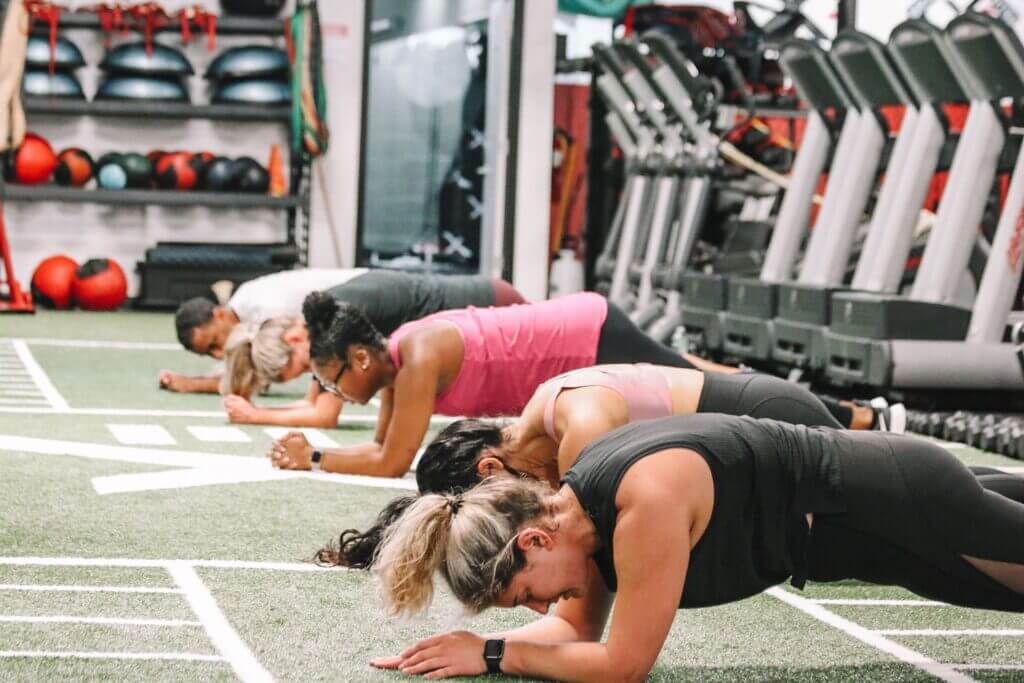
10 Benefits of HIIT Workouts
We’ve touched on it, but let’s get deeper into the fitness and health benefits of doing HIIT workouts. Keep in mind, HIIT is not the only way to get these benefits. You can experience all of these benefits through other methods of exercising, and HIIT isn’t for everyone. But if you’re interested in improving your cardiovascular health fast and efficiently, HIIT might be for you.
1. Efficient Calorie Burning
HIIT is known for its ability to burn calories quickly, no doubt the reason it became so popular among fitness influencers who love to advertise “calorie-burning workouts”. However, there is truth to it. The intense intervals push your body to its limits, resulting in a higher calorie burn compared to traditional workouts. A study published in the Journal of Obesity found that participants performing HIIT burned 25-30% more calories than those performing other forms of exercise like weight training, cycling, and running on a treadmill.
2. Improved Cardiovascular Health
HIIT strengthens your heart and improves overall cardiovascular health in the same way that cardio exercises like jogging does, except because you’re doing it in such intense bursts, you can get improvement quicker. Improving your cardiovascular health can significantly reduce blood pressure, improve arterial stiffness, and boost your overall heart health.
3. Increased Metabolism
HIIT workouts can elevate your metabolism for hours even after finishing your workout. This phenomenon, known as the afterburn effect or excess post-exercise oxygen consumption (EPOC), means you continue to burn calories even after you’ve finished your workout. High-intensity cardio stimulates this EPOC effect in your body, making the calorie burning benefits of your workout last all day.
4. Time-Saving Workouts
With sessions typically lasting around 30-45 minutes, HIIT is perfect for those with a busy schedule. You get maximum results in minimal time. Even a 20-minute HIIT session can produce similar benefits tof a longer, lower-intensity exercise.
5. Enhanced Endurance and Stamina
Regular HIIT training improves both your muscular and cardiovascular endurance, making it easier to perform daily activities and enhancing your performance in other sports or workouts. Just 8 weeks of regular HIIT can improve VO2 max (a measure of endurance) by almost 15%. So if you’re looking at your fitness watch and wondering how to boost that number, HIIT training might be the quickest way to accomplish that.
6. Muscle Building and Fat Loss
HIIT helps you build lean muscle mass while simultaneously burning fat. This combination is ideal for achieving a toned and fit physique. Research from the Journal of Applied Physiology indicates that HIIT can stimulate muscle protein synthesis, promoting muscle growth, while also enhancing fat oxidation, leading to fat loss.
7. Flexibility and Adaptability
HIIT workouts can be modified to suit any fitness level, making them accessible for beginners and challenging for seasoned athletes. Exercises can be scaled in intensity and complexity, ensuring that everyone can benefit from HIIT regardless of their starting point.
8. Mental Health Benefits
Exercise in general is a great way to boost your mental health because working out releases endorphins, which help reduce stress and improve your overall mood. HIIT is no exception. In fact, there might be more benefits to HIIT training because of its high intensity nature. Studies have found that HIIT can significantly reduce symptoms of anxiety and depression, enhancing mental well-being.
9. Community and Support at the Gym
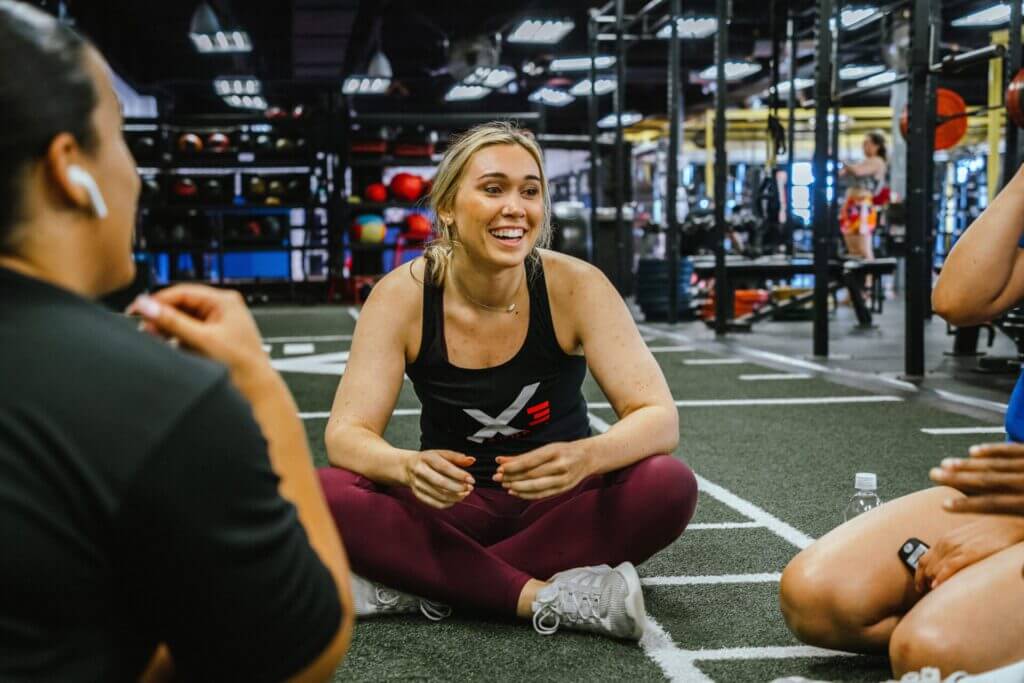
Whether you want to do your own HIIT workout or join a group HIIT workout class, you can experience the benefits of being in a gym community. HIIT classes at X3 Sports are energetic and social. You’ll find motivation and encouragement from both trainers and fellow members. This sense of community can enhance adherence to fitness programs and improve overall satisfaction with the exercise experience.
10. Personalized Fitness Experience
If you’re just getting started with HIIT, workout classes are a great way to learn the ropes. X3 Sports offers personalized coaching to ensure you get the most out of your HIIT workouts. Our trainers provide individual attention to help you achieve your fitness goals safely and effectively. Trainers work with you during class and adjust any workouts to meet you where you currently are in your journey and help you meet your goals.
What Are Fast Track℠ Classes?
We’re so glad you asked. Fast Track℠ is our version of a HIIT workout. Each class is different, but we follow HIIT training methods to help elevate your heart rate and keep it elevated for 45 minuets, getting maximum benefits.
What to Expect in a Fast Track℠ Class
Our Fast Track HIIT classes are designed to maximize your time and effort. Each session includes a warm-up, intense workout stations, and scheduled rest periods, all planned by a certified trainer. No two classes are the same, keeping your workouts fresh and exciting.
Learn More About Fast Track℠ Classes
Our members love the Fast Track℠ class for its efficiency and results. Many have seen significant improvements in their fitness levels, endurance, and overall health.
Start Your HIIT Journey Today!
Don’t wait any longer to experience the benefits of HIIT workouts. Sign up for a free class at X3 Sports and discover how our Fast Track℠ HIIT classes can supercharge your health. With expert trainers, state-of-the-art facilities, and a supportive community, X3 Sports has everything you need to reach your goals and become the best version of yourself.
Join the best HIIT gym in Atlanta and bring out the warrior within at X3 Sports. Sign up for a free class today and start your journey towards a healthier, fitter you!
Why Are Kickboxing Fitness Classes So Popular in Atlanta?

If you’ve driven around Atlanta lately, you might’ve noticed a massive surge of gyms offering kickboxing fitness classes. As a cardio workout that’s so fun it doesn’t really feel like a workout at all, it’s no surprise Atlanta locals are finding community and a new hobby though kickboxing.
How Kickboxing Came About
Kickboxing has come a long way since its early days in the 1960s as a new martial art made up of a mix of karate and Muay Thai. What started as a martial art has morphed into a fitness craze accessible to just about anyone, regardless of their desire to compete in a ring, and Atlanta is no exception to this trend.
Kickboxing gets its roots from both karate and Muay Thai. Karate, which originated in Okinawa, Japan, emphasizes powerful punches, kicks, and defensive techniques. It’s a martial art that focuses on discipline, form, and precision. Muay Thai, on the other hand, hails from Thailand and is often referred to as “the art of eight limbs” because it uses punches, kicks, elbows, and knee strikes. This traditional Thai martial art is known for its rigorous training methods and effective striking techniques.
In the 1960s, kickboxing began to take shape when Japanese karate practitioners started incorporating Muay Thai techniques into their training. This fusion created a dynamic and powerful combat sport. Over time, kickboxing spread globally and evolved into various styles, including American kickboxing, which further blended Western boxing techniques with traditional martial arts.
People began to admire the lean and muscular physique of kickboxing fighters. Cardio kickboxing classes that utilize the same moves used in Muay Thai and Karate, but that utilize a heavy bag instead of an opponent, became a popular way to achieve the same fitness benefits without the risk of fighting.
Evolution into a Fitness Phenomenon
Nowadays, you’ll find kickboxing classes all over Atlanta, combining cardio, strength training, and flexibility into one high-energy session.
Benefits of Kickboxing Fitness Classes
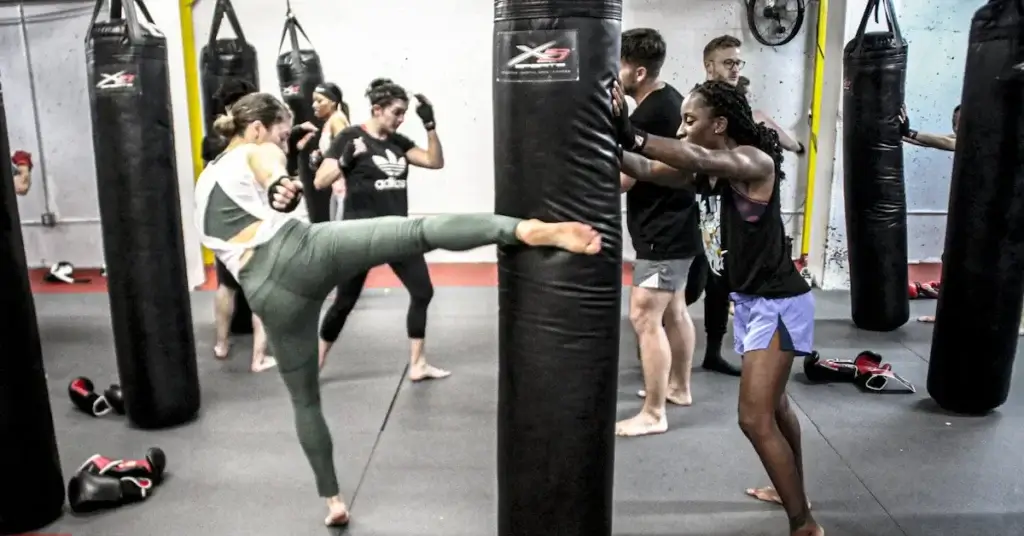
Kickboxing doesn’t feel like a workout. It’s fun and interactive, making it exciting and engaging in a way that regular cardio isn’t. Kickboxing classes utilize high-energy music and motivating trainers to set the mood and help push you to new fitness levels.
Full-Body Workout
Kickboxing gives you a full-body workout that hits all the right spots. Every punch, kick, and jab works for multiple muscle groups, helping you build muscle, burn fat, and improve your overall fitness. Classes utilize heavy bags, which provide resistance to build muscle and condition for those powerful kicks and punches.
Cardiovascular Health
Want to get your heart racing? Kickboxing is the way to go. It’s a high-intensity workout that gets your heart pumping and keeps it there, boosting your cardiovascular health with every session. It’s a form of High-Intensity Interval Training (HIIT), which is proven to improve cardiovascular health, muscular endurance, and metabolism.
Strength and Conditioning
Kickboxing isn’t just about cardio; it’s also a fantastic way to tone and condition your muscles. The varied moves ensure you’re working different muscle groups, leading to balanced strength development. Each class uses a variety of bodyweight exercises like squats and pushups in between rounds to further strengthen your muscles.
Stress Relief and Mental Health
Atlanta traffic got you feeling stressed? Kickboxing can help with that, too. The physical exertion releases endorphins, which boost your mood and reduce anxiety. Plus, there’s something incredibly satisfying about punching and kicking a heavy bag.
Learning Self-Defense
One of the coolest perks of kickboxing is learning self-defense. Atlanta residents love that they can get fit while also learning practical skills to protect themselves. It’s a confidence booster that adds a sense of empowerment to your fitness journey.
Why Atlantans Love Kickboxing Fitness Classes
The health benefits of kickboxing are clear but there are so many other benefits to kickboxing fitness classes outside the realm of fitness.
Make Friends and Find Community
One of the best parts about kickboxing classes is the community vibe. In Atlanta, these classes bring together people from all walks of life, creating a supportive environment that makes working out fun and motivating. Gyms become more than a place to sweat. They become those elusive third places where you can make friends and have fun as a group.
Training from Experts
X3 Sports has some of the top trainers and facilities in Atlanta. Many of our kickboxing coaches have competition experience or have trained in martial arts for years. Our experienced coaches provide personalized attention and expert guidance, ensuring every class is effective and enjoyable. Plus, our state-of-the-art facilities make working out a breeze.
Adaptable for All Fitness Levels
Whether you’re a newbie or a fitness pro, kickboxing fitness classes at X3 Sports are adaptable to all levels. Our workouts can be modified to match your fitness level, to be easier or harder, ensuring you get the most out of each session. Kickboxing is a great beginner-friendly exercise class for people with all kinds of fitness levels.
Value for Money
When it comes to value, kickboxing classes at X3 Sports offer a great bang for your buck. You get a full-body workout that covers cardio, strength training, and stress relief—all in one class. The supportive community and top-notch facilities add even more value to your fitness journey. At X3 Sports, members get access to a variety of fitness classes including bootcamp style group classes, Muay Thai, Boxing, and Brazilian Jiu Jitsu. It truly is the most value you can get out of a gym membership.
Kickboxing Fitness vs. Other Group Fitness Classes
There’s a reason why so many people are drawn into fitness because of kickboxing classes. There’s something unique about it that becomes a gateway to exploring other avenues of fitness.
Unique Aspects of Kickboxing
Kickboxing stands out from other fitness classes because it combines martial arts techniques with high-intensity interval training. This unique blend not only improves physical fitness but also teaches self-defense skills, making it a practical and fun choice for many.
Comparison with HIIT, Boxing, and MMA Classes
While HIIT focuses on high-intensity workouts and boxing emphasizes upper body strength, kickboxing offers a balanced workout that includes both. MMA classes can be more technical and challenging, whereas kickboxing is more accessible to beginners while still providing a rigorous workout.
Getting Started with Kickboxing Fitness Classes
Are you ready to see what all the hype is about? X3 Sports has you covered. We’ll help you get ready for your first class.
What to Expect in Your First Class
Expect a warm welcome and an energetic atmosphere in your first kickboxing class at X3 Sports. You’ll start with a warm-up, learn basic techniques and combinations, and then move into more intense rounds of kicks and punches. The instructor will be coming around to give you tips and provide motivation throughout the class. The class wraps up with a cool-down and stretching session. Before you know it, the 45-minute class is over.
Tips for Beginners
Whether you’re new to fitness as a whole or you’re experienced with fitness but not kickboxing, keep these tips in mind. Even if you workout regularly, you’ll find that kickboxing works a whole different set of muscles and challenges your cardiovascular system in a new way.
- Stay Hydrated: Bring a water bottle and drink up throughout the class.
- Wear Comfortable Clothing: Go for breathable, flexible workout gear.
- Listen to Your Body: Start slow and focus on form to avoid injuries.
- Have Fun: Enjoy the process and embrace the community spirit.
How to Sign Up for a Free Class at X3 Sports
Ready to see why kickboxing fitness classes are all the rage in Atlanta? Sign up for a free class at X3 Sports and discover the benefits for yourself. Your path to a healthier, stronger, and happier you starts now!
Signing up for free kickboxing class at X3 Sports is super easy! Just fill out the form and choose the location and time that’s most convenient for you.
Jiu Jitsu Beginner Classes: 5 Things to Expect and How to Find the Right Gym

Starting your journey in the world of martial arts can be both exciting and a tad intimidating, especially when it comes to grappling-focused disciplines like jiu jitsu.
However, fear not. Jiu jitsu beginner classes are designed specifically with newcomers like you in mind, offering a structured and supportive environment to learn the fundamentals and build a strong foundation.
In this comprehensive guide, we’ll explore everything you need to know about jiu jitsu beginner classes , from what to expect on your first day to key factors in choosing the right gym and setting yourself up for success on the mats.
Finding the Right Jiu Jitsu Gym for You
Your jiu jitsu journey truly begins with finding the right gym. The atmosphere, instructors, and training partners can significantly influence your experience, especially as you navigate the early stages of learning this complex art.
Location and Schedule
Practical matters like location and schedule are crucial. Look for gyms that are conveniently located and offer bjj class timings that easily fit into your routine. A gym that’s a quick drive from work or home can make it more likely that you’ll consistently attend sessions.
Check if they offer morning classes, evening classes, or weekend options to match your availability. Some gyms may even have open mat sessions where you can practice techniques outside the structured classes. Attending class regularly will help you improve your skills much faster.
Trial Classes and Observing
Most reputable gyms offer a free jiu jitsu class for newcomers or allow you to observe a session to get a feel for the environment. This is a fantastic opportunity to experience the training style firsthand, interact with the instructors, and see the dynamic between training partners.
Take note of how welcoming and supportive the environment is, as well as the instructors’ teaching methods. This is also a good time to ask if you need to purchase a jiu jitsu gi for the class, or if they provide one.
Instructors’ Experience and Lineage
The lineage of your instructors and their approach to teaching are fundamental. Look for instructors who are not only accomplished practitioners but also passionate and patient teachers, especially when guiding beginners. Check their credentials, competition experience, and if possible, seek out gyms affiliated with recognized organizations like Gracie Barra or check instructor lineages. You want to make sure you’re learning high-level Brazilian jiu jitsu from qualified black belt instructors.
5 Things to Expect in Jiu Jitsu Beginner Classes
Now that you’ve found a gym that seems like a good fit, let’s get into what you can anticipate during your first bjj class.
1. Warming Up
A typical jiu jitsu class begins with a dynamic warm-up. This may include movements like shrimping, hip escapes, forward and backward rolls, and various drills that focus on developing fundamental grappling mobility.
2. Technique Instruction
After warming up, the instructor will demonstrate a specific technique or sequence of techniques. These will be tailored for beginners, emphasizing foundational moves, escapes, and basic submissions from common positions like guard or mount.
Here’s an example of what a beginner jiu jitsu class warm up is like at X3 Sports.
3. Drilling
Next comes the drilling phase, where you pair up with a training partner and repeatedly practice the demonstrated technique. Repetition is key here. It helps solidify the movement patterns, refine your execution, and build muscle memory.
It is encouraged to ask your instructor and training partners questions to gain a deeper understanding. This phase is essential for internalizing the mechanics.
4. Live Training (Rolling)
Live training, or “rolling,” is where you apply what you’ve learned in a live sparring scenario. However, during beginner classes, rolling is often closely supervised or modified to emphasize safety and control. It allows you to experience the flow of a jiu jitsu match in a controlled setting.
5. Cool Down
The class usually wraps up with a cool-down period, which might include stretching or light exercises to promote flexibility, prevent muscle soreness, and facilitate recovery.
Essential Gear for Your Jiu Jitsu Beginner Classes
While starting your jiu jitsu journey doesn’t require a lot of gear, having the essentials ensures a comfortable and hygienic training experience. Let’s explore the essential items BBJ gear for your first class.
Gi and No-Gi Options
Jiu jitsu is typically practiced in a uniform called a “Gi,” consisting of a jacket, pants, and a belt. Gis are available in various weights, weaves, and brands to suit personal preference and comfort.
Some gyms may also offer No-Gi classes, where practitioners wear rash guards and compression shorts instead of a Gi. Some schools have special classes for those wanting to focus on no-gi jiu jitsu. Others have a more even split between the two.
Rash Guard and Compression Gear
A rash guard, worn underneath the Gi or on its own during No-Gi sessions, protects your skin from mat burn and helps regulate body temperature. Compression shorts or leggings are often worn beneath the Gi pants for added support and comfort. The snug fit of these garments is designed to reduce friction.
Mouthguard and Hygiene Essentials
A mouthguard is an absolute must-have, especially during live training, to protect your teeth and jaw. Personal hygiene is crucial in a close-contact sport. Make sure you have a towel to wipe away sweat, and a gym bag to store your used gear separately. Also, trimming your nails before class is essential to avoid accidental scratches. Be sure to bring a water bottle so you can stay hydrated. You will be working hard and sweating..
Making Progress: Tips for Jiu Jitsu Beginners
Starting jiu jitsu can feel overwhelming, with countless techniques and concepts to absorb. Consistency and focus are key, and your learning process involves several interconnected aspects. Your jiu jitsu program will consist of learning takedowns, and fighting from different positions.
Embrace the Grind
It’s important to recognize that learning jiu jitsu is a marathon, not a sprint. Progress takes time, patience, and consistent effort. You will likely find that your progress may seem slow at times. However, the important thing is to maintain a positive mindset. Remember to focus on what you’re learning rather than on how long it’s taking to reach certain milestones. Don’t get discouraged by initial challenges. Each training session is a step forward, even if you only grasp one new detail.
Training Frequency and Consistency
The frequency of your training will directly impact your progress. Aim for at least two to three jiu jitsu classes per week to develop a consistent rhythm. Don’t be afraid to train more often as you get accustomed to the intensity. It can depend on how your body reacts to the physical demands of this martial art, how driven you are to see progress, and other time constraints. Make sure to speak with the class instructor for advice.
Tap Early, Tap Often
In jiu jitsu, your ego can be your worst enemy. Don’t be afraid to “tap out,” which is a signal that you’re caught in a submission and need to reset. Tapping protects you from potential injury, allowing you to continue learning. It’s better to tap and train another day than to risk an injury that could sideline you.
Nutrition and Recovery
Fueling your body and allowing it adequate recovery time are as vital as the training sessions themselves. Maintaining a healthy diet supports optimal performance on the mats. Prioritize hydration before, during, and after each training session. BJJ is a full-body workout, so you need to make sure your body is well-fueled.
Key Takeaways for Starting Jiu Jitsu
Beginning your jiu jitsu journey can be one of the most fulfilling endeavors you embark upon. While the learning curve might initially appear steep, consistently showing up, staying attentive during jiu jitsu beginner classes, asking questions, and celebrating small victories all play a crucial role. Keep in mind these takeaways can pave a solid path towards enjoyment as your progress on your jiu jitsu journey. As with anything new, the journey begins with a single step, so take yours with confidence and anticipation. Stepping onto those mats might just unlock a newfound passion. The world of jiu jitsu awaits.
FAQs about jiu jitsu beginner classes
How many days a week should a beginner do Jiu Jitsu?
Aim for 2-3 days a week, giving your body time to rest and adapt.
How can a beginner learn BJJ?
Beginners should seek out reputable jiu jitsu gyms offering structured beginner classes. There are often adult classes specifically for beginners.
Can I learn Jiu Jitsu on my own?
While online resources can be helpful supplements, learning jiu jitsu effectively and safely requires hands-on instruction from qualified instructors. Learning in a group setting with other jiu jitsu beginners is a great way to progress. Many gyms even have a private Facebook group where you can connect with training partners. This can also be a great place to find out if the gym offers any free jiu jitsu classes.
When should I start learning Jiu Jitsu?
There’s no “perfect” time to start. The best time is when you feel physically and mentally prepared. Jiu jitsu is for everyone. It is a great form of exercise that can help prevent injury.
Conclusion
Embarking on your jiu jitsu journey is an exciting and transformative endeavor. Whether you’re looking to improve your fitness, learn self-defense, or simply challenge yourself, Brazilian Jiu Jitsu offers a wealth of benefits. Remember that progress takes time, patience, and consistent effort.
Embrace the learning process, stay dedicated, and enjoy the journey.
Ready to take the first step on your jiu jitsu journey? Sign up for a free class at X3 Sports and experience firsthand the benefits of personalized training and a supportive community. Complete the form below to schedule your free class today and start your path to becoming a skilled and confident jiu jitsu practitioner.
Best Heavy Bag Workout for Boxing Conditioning

Boxing isn’t just a sport; it’s an amazing way to condition your body and mind. One of the best tools for improving your boxing skills and overall fitness is the heavy bag. Finding the best heavy bag workout for your routine can seriously boost your strength, endurance, and technique.
At X3 Sports, we’ve had over a decade to perfect the best heavy bag workout for boxing conditioning, helping you get the most out of your training sessions.
Step One: Warm Up
Importance of a Proper Warm-Up
Before jumping into your heavy bag workout, it’s super important to warm up properly. A good warm-up gets your heart rate up, loosens your muscles, and gets your body ready for some intense action. Skipping this step can lead to injuries and less effective workouts.
Effective Warm-Up Exercises
- Jump Rope: Start with 5-10 minutes of jump rope to get your heart pumping and improve your footwork.
- Shadow Boxing: Spend a few minutes shadow boxing, focusing on your technique and visualizing your moves.
- Dynamic Stretches: Do some dynamic stretches like leg swings and arm circles to get your range of motion going.
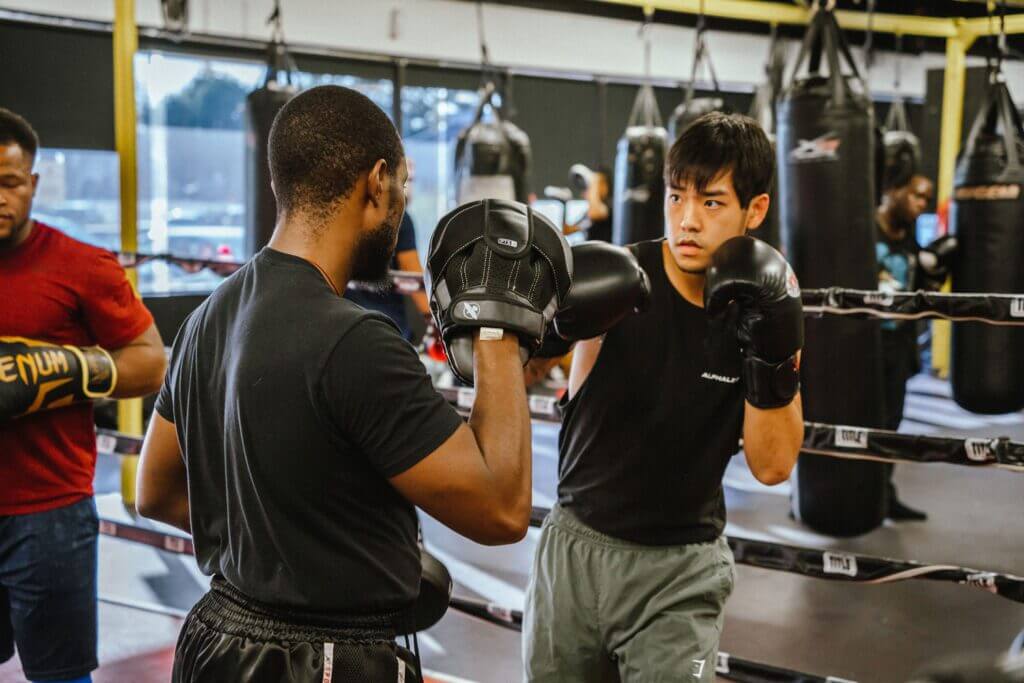
Essential Heavy Bag Techniques
Mastering the Jab
The jab is a fundamental punch in boxing and a key part of any heavy bag workout. Perfecting your jab can seriously improve your overall boxing performance and range when sparring.
- Technique: Keep your elbow in, extend your arm fully, and snap your wrist at the end of the punch. Practice on the heavy bag to nail your form.
- Drills: Start with rounds focused solely on jabs, making sure each punch is fast and precise. We recommend working on your timing. Try doing a jab ladder exercise, starting at 1 jab and up to 10 in a row, and then back down.
Combining Punches
To get the most out of your heavy bag workout, mix in various punch combinations and footwork.
- Cross, Hook, Uppercut: Practice these punches individually and then combine them smoothly.
- Combination Drills: Work on combos like jab-cross, jab-hook, and uppercut-hook, ensuring smooth transitions between punches.
Make sure you’re moving around the bag and bobbing in and out while you practice your combinations.
Best Heavy Bag Workout Routine
To mimic a sparring match, structure your heavy bag routine into rounds of nonstop training with breaks in between rounds.
Round Structure
How long should boxing rounds be?
- Suggested Duration: Aim for 3-minute rounds with 1-minute rest periods.
- Number of Rounds: Start with 4-6 rounds and increase as your conditioning improves. Nine rounds is a great goal!
Sample Workout Routine
- Round 1: Focus on jabs and footwork drills. Move around the bag, keeping proper form and foot positioning.
- Round 2: Work on power punches, like crosses and hooks. Emphasize force and accuracy.
- Round 3: Practice combination drills like jab-cross and jab-hook. Make sure each punch flows smoothly into the next.
- Round 4: Incorporate defensive movements with counter punches. Slip, duck, and weave while delivering counter-attacks.
- Round 5: Finish with high-intensity punches, focusing on speed and power to maximize your conditioning.
At X3 Sports, our boxing and kickboxing classes are structured around the 9-round method, helping condition you to actual sparring if that’s your goal, or for general fitness. Each class includes body weight exercises, shadow boxing, and plenty of heavy bag work!
Conditioning Drills
Technique is important, but conditioning is all about building stamina and strength to put behind those perfectly executed punches.
Interval Training on the Heavy Bag
Interval training is a great way to boost both your anaerobic and aerobic fitness.
- Benefits: Increases cardiovascular health, enhances muscle endurance, and boosts overall stamina.
- Sample Interval Workout: Alternate between 30 seconds of intense punching and 30 seconds of active rest (e.g., light footwork or shadow boxing) for a total of 10 minutes.
Endurance Building Drills
Building endurance on the heavy bag helps you keep up peak performance throughout your boxing rounds.
- Long-Duration Punching Drills: Punch continuously for 2-3 minutes, maintaining consistent power and speed without losing form.
Cool Down and Stretching
Just like any other workout, cooling down is an essential part of recovery. Recovery helps you perform your best each and every time you step back into the ring.
Importance of Cooling Down
Cooling down reduces muscle soreness and improves flexibility.
- Effective Cool Down Exercises:
- Light Shadow Boxing: Gradually decrease the intensity of your shadow boxing or do some light jogging to bring your heart rate down.
- Static Stretching: Focus on stretching your arms, shoulders, and legs to improve flexibility and prevent stiffness.

Enhancing Your Training with Impact Wrap at X3 Sports
Introduction to Impact Wrap
X3 Sports is pumped to introduce Impact Wrap, a game-changing technology designed to level up your kickboxing and boxing workouts. This cool tool provides real-time data and feedback, making your training sessions more effective and fun.
How Impact Wrap Works
Impact Wrap uses compact sensors attached to each heavy bag to measure the force of your strikes in real-time. It tracks metrics like total points, average force, and the number of strikes, giving you awesome insights into your performance.
Real-Time Leaderboard Tracking
One of the coolest features of Impact Wrap is the real-time leaderboard. Displayed on a big screen in the gym, it shows a timer and data on current and upcoming rounds, keeping you motivated and on track. Your scores are visible to challenge yourself and others, adding a competitive motivational edge to your workouts.
Heart Rate and Calorie Tracking
When paired with an optional heart rate monitor, Impact Wrap tracks your heart rate and calorie burn throughout your workout. This data is displayed in real-time on the leaderboard, helping you monitor your intensity and progress.
Empowering Members with Measurable Results
Impact Wrap doesn’t just offer in-the-moment feedback; it also provides detailed performance summaries via email and the Impact Wrap app. You can track metrics like total points, average force, and number of strikes, allowing you to set and achieve personal goals.
Anytime Conditioning Workouts
Members can use Impact Wrap for conditioning workouts in and out of classes, ensuring you can train with it anytime. The app allows you to track your progress through metrics like the number of strikes and level of intensity, making it a versatile tool for continuous improvement.
Why X3 Sports is Excited About Impact Wrap
Impact Wrap is more than just a piece of equipment; it’s a leap forward in training technology. It fits perfectly with X3 Sports’ mission to provide innovative and exciting ways to get fit. This technology fosters a sense of community and friendly competition, ensuring every workout is not just effective but also fun and engaging.
Tips for Maximizing Your Heavy Bag Workout
Tracking Your Progress
- Workout Journal: Keep a detailed record of your workouts, noting the rounds, combinations, and intensity.
- Technology: Utilize apps and wearables to monitor your progress and set new goals.
Common Mistakes to Avoid
- Overtraining: Ensure you balance your workouts with adequate rest and recovery.
- Incorrect Form: Focus on maintaining proper technique to prevent injuries and maximize effectiveness.
Try a Free Boxing Class
Heavy bag workouts are a cornerstone of boxing conditioning, offering numerous benefits from improved technique to enhanced endurance. By incorporating the best heavy bag workout routine into your training, you can take your boxing skills to the next level. With the addition of Impact Wrap at X3 Sports, your training becomes even more effective and engaging.
Sign up for a free boxing class at X3 Sports and experience the difference for yourself!