
Posts by x3sports
Benefits of Yoga for Boxers

Hey, Warrior! We all know boxing is an intense sport that demands strength, agility, and endurance. But have you ever considered incorporating yoga into your training? It might seem surprising, but yoga can significantly enhance your performance. Let’s explore the incredible benefits of yoga for boxers and why it’s becoming essential in training routines.
Flexibility and Range of Motion
One of the standout benefits of yoga for boxers is its ability to boost flexibility. Yoga stretches and poses help lengthen muscles and increase your range of motion. Poses like downward-facing dog and forward folds can loosen tight hamstrings and calves, crucial for nimble footwork. Additionally, hip-opening poses like pigeon and lizard can enhance hip mobility, making your punches even more explosive.
Being flexible is about more than just fancy moves; it’s about having the range of motion to perform at your best and avoid injuries. Boxers often deal with tight shoulders and backs due to all the punching. Yoga can help with shoulder openers and spinal twists, relieving tightness and keeping you injury-free. Over time, you’ll move more efficiently and feel less strain on your body.
Strength and Stability
Yoga isn’t just about stretching; it also builds muscle strength and stability, which is invaluable for boxers. Poses like plank and warrior sequences engage your core, legs, and upper body, providing a full-body workout. A strong core is crucial for balance and powerful punches. Yoga poses like boat, side plank, and chair will turn your core into a powerhouse.
Stability is another key aspect. Balancing poses like tree and eagle challenge your equilibrium, translating to better stability in the ring. This stability training helps you maintain your stance, absorb hits, and move swiftly without losing balance. When you’re deep into a match and fatigue sets in, that stability can be your secret weapon.
Mental Focus and Calm
Boxing is as much a mental game as it is a physical one. Yoga for boxers includes meditation and breath control practices that boost mental focus and calmness. Staying composed during a match is crucial for sticking to your strategy and reacting quickly. Mindfulness in yoga teaches you to stay present, manage anxiety, and keep a clear mind even under pressure.
Meditation techniques like mindfulness meditation or guided visualization can mentally prepare you for matches. Visualizing success and focusing on your breath can help you enter the ring with a calm, focused mindset. This mental clarity can be the difference between a smooth, coordinated performance and chaos.
Injury Prevention
Boxing’s repetitive nature can lead to muscle imbalances and injuries. Yoga for boxers helps correct these imbalances by promoting balanced muscle development and better body alignment. Regular yoga can reduce the risk of common injuries like shoulder strains, lower back pain, and hip tightness. Chest-opening and back-strengthening poses like cobra and locust counteract the forward-leaning boxing posture.
Yoga also increases body awareness, helping you notice and correct imbalances before they turn into injuries. For example, if you notice one side of your body is tighter or weaker, yoga can help you target those areas, ensuring both sides are equally strong and flexible. This balanced development prevents injuries and enhances overall performance.
Recovery and Relaxation
Recovery is vital for any athlete. Yoga for boxers includes restorative poses that relax muscles and promote recovery. Deep stretching and relaxation techniques can alleviate soreness and speed up recovery, allowing you to train more effectively. Poses like child’s pose, legs up the wall, and gentle spinal twists release tension and soothe tired muscles.
Beyond physical recovery, yoga’s relaxation techniques help boxers recover mentally. After intense training or a match, it’s crucial to relax the mind and reduce stress. Practices like guided relaxation or yoga nidra (a deep relaxation form) can be incredibly beneficial, helping you sleep better, reduce anxiety, and recharge for the next session.
Enhanced Breathing Techniques
Breathing is a big deal in both yoga and boxing. Yoga for boxers teaches controlled, deep breathing techniques that improve lung capacity and stamina. Proper breathing helps maintain energy during intense rounds and recover quickly between them. Techniques like diaphragmatic breathing and pranayama (yogic breathing exercises) can enhance lung efficiency and cardiovascular performance.
In boxing, controlled breathing can prevent fatigue and improve endurance. Yoga teaches how to control breath, which can boost your stamina. Learning to exhale sharply when throwing a punch can enhance its force, and deep inhalations can help maintain calmness during a match. These breathing techniques can significantly improve your performance.
Balance and Coordination
Good balance and coordination are essential for boxers. Yoga for boxers incorporates poses that challenge and improve balance, like tree pose and half-moon pose. Enhanced balance and coordination translate to better footwork and performance in the ring. Regular practice of balance-focused yoga poses helps develop a stable and agile fighting stance.
Coordination is equally important for executing complex combinations smoothly. Yoga enhances coordination by improving proprioception—your body’s sense of position in space. This heightened awareness allows smoother, quicker reactions to your opponent’s actions. Transitioning between yoga poses requires precise movements and control, directly translating to better coordination in the ring.
Core Strength
A strong core is crucial for powerful punches and stability during a fight. Yoga for boxers includes many core-strengthening exercises, like boat pose and side plank, that build abdominal strength and overall stability. A robust core supports the spine, enhances balance, and increases punch power by providing a solid foundation for rotational movements.
In boxing, the core is engaged in almost every movement. Strengthening these muscles through yoga improves performance and reduces injury risk, particularly to the lower back. Consistent practice of core-focused yoga poses develops a powerful midsection that withstands boxing’s rigors.
Stress Relief
Boxing training can be intense and stressful. Yoga for boxers offers a way to manage and reduce stress through mindfulness and relaxation techniques. Regular yoga practice helps boxers stay calm and centered, both in and out of the ring. Stress management is essential for maintaining health and well-being, ensuring boxers train and compete at their best.
Yoga’s emphasis on breath control and mindfulness significantly reduces stress’s physiological effects. Practices like deep breathing, progressive muscle relaxation, and meditation activate the parasympathetic nervous system, promoting calm and relaxation. This helps boxers recover more effectively and improves mental resilience, enabling them to handle competition pressures confidently.
Better Posture
Proper posture is important for efficiency and injury prevention in boxing. Yoga for boxers promotes better posture by strengthening the muscles that support the spine and improving body awareness. This leads to more efficient movement and less strain on the body during training and fights. Poses like mountain pose, bridge pose, and cat-cow stretch realign the spine and correct postural imbalances.
Improved posture enhances a boxer’s ability to maintain a strong defensive stance and execute movements precisely. Poor posture can lead to fatigue and increased injury risk, but yoga helps develop upright, balanced body alignment. This improves performance and contributes to long-term health and longevity in the sport.
Community and Support
Yoga classes offer boxers a chance to connect with others seeking to improve their physical and mental well-being. This sense of community and support can be a motivating factor and help boxers stay committed to their goals. Sharing the yoga experience fosters camaraderie and mutual encouragement, which is especially beneficial in the often solitary world of boxing training.
Practicing yoga in a group setting also allows boxers to learn from others and gain new perspectives on their training. The support and guidance of a yoga instructor help boxers refine their techniques and stay motivated. This community extends beyond the yoga mat, creating a network of like-minded individuals with a common goal of improving their health and performance.
What Are You Waiting For?
Adding yoga to your boxing training routine offers numerous physical and mental benefits. From improved flexibility and strength to enhanced mental focus and stress relief, yoga for boxers is a powerful tool for any fighter looking to elevate their game. Whether you’re a seasoned pro or just starting, yoga can help you become a more balanced, resilient, and successful boxer. Give yoga for boxers a try and experience the benefits for yourself!
Ready to Elevate Your Training?
Sign up for a yoga class today and discover how it can transform your boxing performance. Click here to join our next session and start your journey to becoming a stronger, more agile, and focused fighter. Don’t miss out on this opportunity to enhance your skills and well-being—enroll now!
What Are the Kickboxing Basics?

Kickboxing is a dynamic workout that combines elements of martial arts and high-intensity interval training (HIIT). It’s an excellent way to improve cardiovascular health, build muscle, and relieve stress. Whether you’re new to fitness or a seasoned athlete, understanding the kickboxing basics is crucial for getting the most out of your training. In this article, we’ll dive into the fundamentals of kickboxing, covering everything from basic techniques to the benefits it offers.
The History of Kickboxing
Kickboxing originated in the 1960s as a blend of karate and boxing. It has since evolved into a popular sport and fitness activity practiced worldwide. Kickboxing basics involves striking techniques using the hands and feet, and it emphasizes speed, agility, and power. Understanding the roots of kickboxing helps appreciate its diverse influences and the disciplined practice it demands.
Originally developed in Japan, kickboxing quickly spread to the United States and Europe, gaining popularity in the 1970s and 1980s. Prominent figures like Bruce Lee and Chuck Norris brought attention to martial arts and combat sports, further boosting kickboxing’s profile. The sport saw the establishment of various organizations and championships, such as the World Kickboxing Association (WKA USA & WKA International) and the International Kickboxing Federation (IKF), which standardized rules and helped foster competitive kickboxing on a global scale. Over time, kickboxing has continued to evolve, incorporating elements from Muay Thai, Taekwondo, and other martial arts, resulting in a diverse and multifaceted discipline practiced by millions today.

Kickboxing Basics Techniques
Mastering the kickboxing basics starts with understanding the primary techniques. These include punches, kicks, knee strikes, and defensive moves designed to enhance agility, strength and precision. Let’s break each technique down to assess how these offensive and defensive moves cultivate strategic thinking and adaptability in the ring.
Punches
The jab is a quick, straight punch with the lead hand, often used to gauge distance and set up combinations. It’s a fundamental punch that keeps opponents at bay and disrupts their rhythm. The cross is a powerful straight punch with the rear hand, delivering significant force and often following the jab to create a potent one-two combination. The hook, delivered with a bent arm, targets the side of the opponent’s head or body, making it effective for close-range combat and catching opponents off guard. The uppercut travels upward, targeting the opponent’s chin, and is particularly effective against opponents who duck or lean forward.
Kicks
The front kick is delivered with the ball of the foot, aimed at the opponent’s midsection, and is effective for maintaining distance and pushing the opponent back. The roundhouse kick involves the leg traveling in a circular motion, striking with the shin or the top of the foot, and can be targeted at various levels, from the legs to the head. The side kick, powerful and delivered with the heel, targets the opponent’s side and is useful for both offense and defense. The back kick is executed by turning the body and extending the leg backward, striking with the heel, and is one of the most powerful kicks, often used to surprise opponents.
Knee Strikes
The front knee strike is aimed at the opponent’s midsection or face, delivering significant impact in close-quarters combat. It’s often used in clinch situations where fighters are grappling at close range. The diagonal knee strike is delivered at an angle, targeting the opponent’s ribs or torso, and can be particularly damaging, exploiting openings in the opponent’s defense.
Defensive Moves
Blocking involves using the arms or legs to deflect an opponent’s strikes, forming the first line of defense. Effective blocking minimizes damage and sets up counterattacks. Slipping, moving the head to avoid a punch, requires precise timing and reflexes, making the opponent miss while positioning oneself for a counter. Bobbing and weaving, a technique where the fighter bends the knees and moves the head in a U-shaped motion to dodge punches, helps evade attacks and create opportunities for counters.
Stance and Footwork
A proper stance and footwork are also a key component in kickboxing basics. They provide balance, mobility, and the foundation for effective strikes and defense. There are two main stances: orthodox and southpaw, which ensures optimal weight distribution and stability for attacks and defensive reactions. Footwork enables fighters to control the distance between their opponent, maneuver smoothly, and exploit openings, therefore enhancing their overall agility and tactical advantage
Stance
The orthodox stance, with the left foot forward and the right foot back, is suitable for right-handed individuals. It offers stability and power for both punches and kicks. The southpaw stance, with the right foot forward and the left foot back, is suitable for left-handed individuals and can present unique challenges for opponents used to fighting orthodox fighters. Both stances require a solid, balanced position with knees slightly bent, hands up for protection, and weight distributed evenly to allow quick movement.
Footwork
Shuffling involves quick steps to move forward, backward, or sideways, maintaining balance and positioning. It allows fighters to close distance, retreat, or circle around the opponent, maintaining an advantageous position. Pivoting, rotating the lead foot to change direction or angle, is crucial for creating openings and avoiding attacks. Sliding, gliding the feet to close or create distance, enables smooth transitions between offense and defense, ensuring constant readiness.
Training and Conditioning
Kickboxing basics extend beyond techniques to include rigorous training and conditioning. A typical kickboxing workout involves a warm-up, skill training, bag work, pad work, sparring, and a cool-down. Conditioning exercises are crucial to build endurance, strength, and flexibility.
Warm-Up
A proper warm-up prepares the body for intense physical activity. It includes dynamic stretches, light cardio, and mobility exercises to increase heart rate and blood flow to the muscles. Warming up helps prevent injuries by loosening muscles and joints, making them more pliable and ready for action. A thorough warm-up might involve jogging, jump rope, or shadow boxing, gradually increasing intensity to prime the body for the main workout.
Skill Training
Skill training focuses on refining techniques and combinations. It often includes shadow boxing, where fighters practice movements without a partner or equipment, allowing them to perfect form and speed. This phase of training emphasizes precision, timing, and fluidity of movement, ensuring that techniques become second nature. Drills involving focus mitts or punch mitts can further enhance accuracy and reaction time, simulating real fight scenarios.
Bag Work
Bag work involves striking a heavy bag to develop power, accuracy, and endurance. It’s a key component of kickboxing basics, allowing fighters to practice their strikes with full force. Bag work helps build muscle memory, ensuring that techniques are executed correctly under pressure. It also enhances cardiovascular fitness, as sustained bag work can be highly demanding, pushing the body to maintain a high level of effort over extended periods.
Pad Work
Pad work requires a partner holding focus mitts or kick pads. It helps fighters practice precision, speed, and timing. This interactive training mimics real-fight scenarios, enhancing reflexes and coordination. Pad work allows for dynamic movement, with partners moving around to simulate an opponent’s actions, providing valuable practice in adjusting to an active target. It also helps in building confidence and improving communication between training partners.
Sparring
Sparring is a controlled form of fighting with a partner. It allows fighters to apply their skills in a realistic setting, improving their ability to anticipate and react to an opponent’s moves. Sparring sessions can vary in intensity, from light contact to full-contact scenarios, depending on the fighters’ experience levels and training goals. It teaches fighters to manage distance, timing, and strategy, making it an indispensable part of kickboxing training.
Cool-Down
A cool-down helps the body transition from intense activity to rest. It includes static stretching and light cardio to reduce muscle soreness and promote recovery. Cooling down aids in gradually lowering the heart rate and preventing blood pooling in the muscles, which can lead to dizziness or fainting. It also promotes flexibility and muscle repair, ensuring that the body is ready for the next training session.
Equipment Needed for Kickboxing Basics
Understanding kickboxing basics involves familiarity with the necessary equipment essential for training sessions. This equipment encompasses items vital for safety and effective practice in kickboxing. Here are some of the necessary equipment to make the most of your sessions:
Gloves
Boxing gloves protect the hands and wrists during striking. They come in various sizes and weights, with heavier gloves providing more protection and lighter gloves offering more speed. Choosing the right gloves depends on the type of training and personal preference. For sparring, heavier gloves (14-16 ounces) are preferred for better protection, while lighter gloves (10-12 ounces) are often used for pad work and bag work.
Hand Wraps
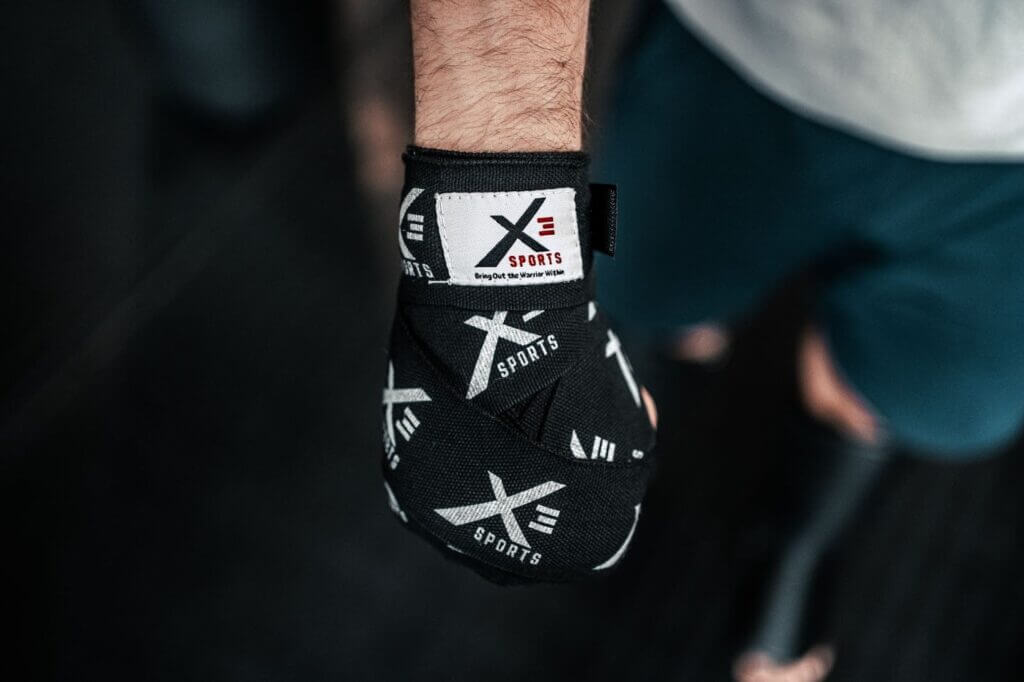
Hand wraps provide additional support and protection for the hands and wrists. They are worn under gloves and help prevent injuries. Proper wrapping technique is crucial to ensure that the hands are adequately protected, with wraps stabilizing the wrist and cushioning the knuckles. They also absorb sweat, keeping the gloves in better condition.
Mouthguard
A mouthguard protects the teeth and gums during sparring and impact training. It’s a crucial piece of safety equipment for any contact sport. Custom-fitted mouthguards offer the best protection and comfort, molding perfectly to the individual’s teeth. A well-fitted mouthguard can prevent serious injuries such as broken teeth, jaw fractures, and concussions.
Shin Guards
Shin guards protect the shins and feet during kicks. They are essential for sparring and help prevent bruising and fractures. High-quality shin guards provide ample padding while allowing for mobility, ensuring that kicks can be delivered effectively without risking injury. They are especially important when practicing with partners, as they reduce the impact force felt by both individuals.
Headgear
Headgear is worn during sparring to protect the head and face. It reduces the risk of cuts, bruises, and concussions. While headgear does not eliminate the risk of head injury, it significantly reduces the severity of impacts, making it an important part of sparring safety gear. Properly fitted headgear should be snug but comfortable, offering clear visibility and unrestricted movement.
Proper Attire
Comfortable, moisture-wicking clothing is ideal for kickboxing. It allows for a full range of motion and helps keep the body cool during intense workouts. Clothing should be breathable and flexible, ensuring that it does not hinder movements or cause discomfort. Many practitioners prefer wearing compression gear, which provides support and enhances blood flow, aiding in performance and recovery.
Work on Kickboxing Basics at X3 Sports
Understanding the kickboxing basics is essential for anyone looking to get started with this powerful and rewarding workout. From learning fundamental techniques to ensuring you have the right equipment, kickboxing offers a comprehensive approach to fitness and well-being. Whether you’re interested in improving your cardiovascular health, building muscle, or relieving stress, kickboxing provides a fun and effective way to achieve your goals.
Grab your gloves, join the action, and kick off your journey with kickboxing basics today at X3 Sports. Sign up for a class here!
What is the Best Beginner Weight Training Program?
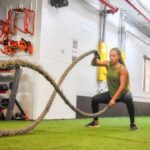
Imagine it. You’re feeling inspired. You’re ready to make a change with your health, and you want to build muscle, improving your fitness and self-confidence. You know you need to start a weight training program. But where to start…
Feeling some trepidation about where to start with a beginner weight training program is understandable. No one wants to look like they don’t know what they’re doing at the gym, and let’s face it, some of those guys at the gym look intimidating (In our experience, most of them are super nice but we understand the fear!)
Don’t let intimidation or lack of knowledge be the thing that holds you back from experiencing the major life and health benefits of weight training. The key to success is beginning with a structured program that sets a solid foundation. We’re here to help lift the veil around weight training and help you plan the best beginner weight training program.
Look out for a sample beginner weight training program at the end of this article!
How to Structure the Best Beginner Weight Training Program
There are two options for weight training routines. You can either do full-body workouts or split routines. Full-body workouts target all major muscle groups in a single session, making them ideal for beginners. Split routines, on the other hand, focus on specific muscle groups on different days (aka “leg day” or “back and bis”).
Pros and Cons of Each Approach
Depending on your commitment level, your schedule, and your goals you might choose to do either full-body workouts or split your workouts into target muscle groups. Let’s explore the pros and cons of each.
Full-Body Workouts:
- Pros: Efficient use of time (3 or less gym sessions a week), balanced muscle development, easier recovery.
- Cons: Can be more tiring, more workouts to plan, less focused on individual muscle groups.
Split Routines:
- Pros: More focus on individual muscles, potentially better muscle growth.
- Cons: Requires more gym sessions per week (3 or more), a bit more complex, more muscle soreness since you focus more time on each muscle group.
For beginners, full-body workouts are generally recommended at least once a week. They ensure balanced development and allow for ample recovery time, which is crucial for those new to weight training.
A combination of full-body and split sessions is ideal for individuals who want to build muscle and improve their overall fitness.
How to Focus on Specific Muscle Groups
As a beginner, you’re probably familiar with the terms upper body and lower body, but you might not be sure exactly what exercises to do for each split. Here, we have some example workouts and the muscle they target. The goal is to target the muscles in a balanced way so nothing becomes overdeveloped or underdeveloped.
Upper Body Exercises
Targeting the chest, shoulders, and arms is essential for upper body strength. Push-ups are great for the chest and triceps, while dumbbell shoulder presses target the shoulders and triceps. Bicep curls focus on building the biceps. These exercises help build a strong, balanced upper body.
Lower Body Exercises
Strengthening the legs and glutes is vital for overall fitness. Squats are excellent for quads, hamstrings, and glutes, while lunges focus on quads and glutes. Deadlifts are a powerful compound lift that targets the hamstrings, glutes, and lower back. Including these in your routine ensures a strong and stable lower body. Variations of these exercises might target more of a specific muscle. For example, a front-loaded squat targets more quads whereas a back-loaded squat targets more glutes.
Core Strengthening Exercises
A strong core supports all other movements and helps avoid back injuries. Planks engage the entire core, Russian twists target the obliques, and leg raises focus on the lower abs. These exercises help build a solid core foundation, improving overall stability and strength. There are variations of core exercises you can choose from, including adding weight to make them more challenging.
Sample Beginner Workout Program
Here’s a sample of what the best beginner weight training program might look like. If you’re not familiar with a workout, make sure to look up videos of how to perform it properly. We recommend using a mirror or filming yourself to ensure your technique is correct to avoid injury.
Warm-Up
5-10 Minutes of Cardio: Start with a light cardio warm-up to get your blood flowing and muscles ready. This could be brisk walking, jogging, or using a stationary bike.
Strength Exercises:
Squats
Instructions: Stand with your feet shoulder-width apart. Lower your body as if you’re sitting back into a chair, keeping your chest up and knees over your toes. Push through your heels to return to the starting position.
Sets: 3
Reps: 10-12
Rest: 60 seconds in between sets
Push-Ups
Instructions: Start in a plank position with your hands under your shoulders. Lower your body until your chest nearly touches the floor, then push back up. Keep your body in a straight line from head to heels. You can lower your knees to do an assisted push-up if you need.
Sets: 3
Reps: 8-10
Rest: 60 seconds in between sets
Dumbbell Rows
Instructions: Hold a dumbbell in each hand. Bend at the hips and knees slightly, keeping your back straight. Pull one dumbbell towards your rib cage, squeezing your shoulder blade at the top of the movement. Lower and repeat with the other arm.
Sets: 3
Reps: 10-12 per arm
Rest: 60 seconds in between sets
Lunges
Instructions: Step forward with one leg and lower your hips until both knees are bent at about 90 degrees. Push back to the starting position and repeat with the other leg. Keep your front knee behind your toes to protect your joints.
Sets: 3
Reps: 10-12 per leg
Rest: 60 seconds in between sets
Planks
Instructions: Hold a push-up position with your body in a straight line from head to heels, engaging your core. Keep your hips level and avoid letting them sag or rise too high.
Sets: 3
Duration: 30 seconds each
Rest: 60 seconds in between each set
Dumbbell Shoulder Presses
Instructions: Hold dumbbells at shoulder height with palms facing forward. Press the weights overhead until your arms are fully extended. Lower back to the starting position.
Sets: 3
Reps: 10-12
Rest: 60 seconds
Glute Bridges
Instructions: Lie on your back with your knees bent and feet flat on the floor. Lift your hips towards the ceiling, squeezing your glutes at the top. Lower back down and repeat. You can use a dumbbell or weighted barbell across your hips to add more resistance.
Sets: 3
Reps: 12-15
Rest: 60 seconds
Cool Down:
Spend 5-10 minutes stretching all major muscle groups. Use this time to take deep breaths and bring your heart rate down. This helps improve flexibility and reduce muscle soreness. Studies have shown that listening to relaxing music during your cool down can actually improve muscle recovery!
The Role of Community in Your Fitness Journey
Getting into good habits early when structuring the best beginner weight training program is absolutely important since it sets you up for success and helps you avoid injuries, which can throw off your good momentum. Working with a trainer is a wonderful way to start off on the right foot. Group fitness is an alternative to working with a trainer because you get many of the same benefits (though, less personalized to you) at a lower price.
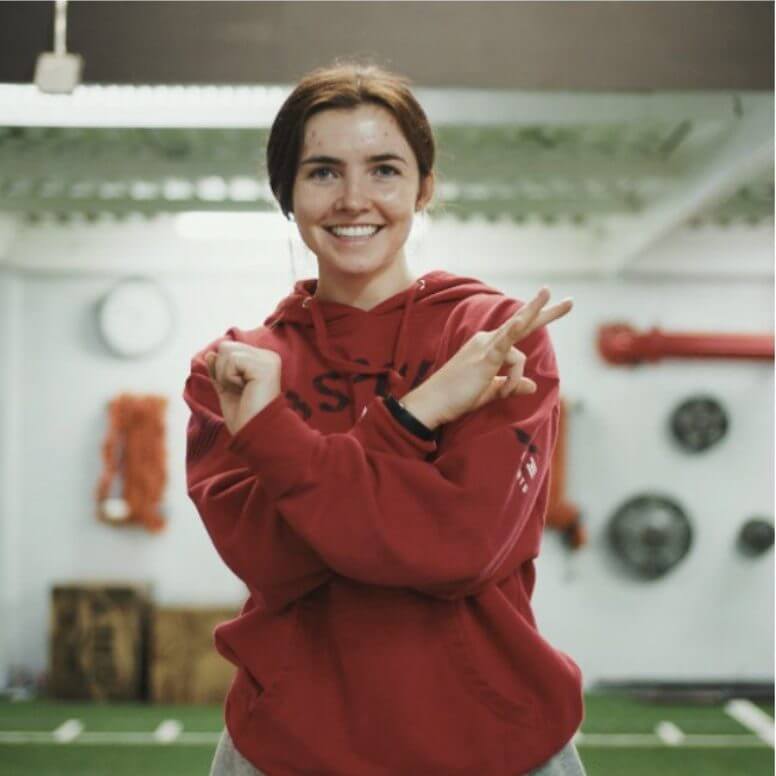
Benefits of Working with a Personal Trainer
A personal trainer can be a game-changer for beginners. They provide personalized workout plans tailored to your goals and fitness level, removing some of the mystery around crafting your own workout program. Most importantly, trainers also ensure you use proper form and technique, reducing the risk of injury. Moreover, they offer motivation and accountability, helping you stay on track and achieve your fitness goals.
Advantages of Group Fitness Classes
Group fitness classes offer unique benefits. The community support and motivation from working out with others can be inspiring. Structured and supervised workouts in these classes ensure you follow a safe and effective program. Plus, the variety and fun elements in group fitness keep workouts interesting and enjoyable. Group fitness classes are a great introduction to exercise for beginners.
Nutrition and Recovery for Beginners
Fueling your body correctly is crucial for effective workouts and recovery. Consuming a balanced meal with protein and carbohydrates before a workout provides energy. After workouts, a protein-rich meal aids in muscle recovery and growth.
Aim to drink your body weight in ounces of water daily. Adequate rest is equally important. Ensure you get enough sleep and incorporate rest days into your schedule to allow your muscles to recover and grow.
Tracking Progress and Staying Motivated
Tracking your progress helps you stay motivated because you can acknowledge the progress you’ve made. Record exercises, sets, reps, and weights, as well as how you felt during workouts. This log provides valuable insights and keeps you accountable. At X3 Sports, our member recieve free body assessments every 90 days to help them track their progress and consult with a certified trainer about their goals and fitness routine.
Setting Realistic Goals and Celebrating Milestones
Setting achievable goals is key to maintaining motivation. Focus on short-term and long-term goals, and celebrate milestones along the way. Rewarding yourself for achieving goals can keep you inspired and committed to your fitness journey. Don’t forget to share your success! Who knows, you might inspire someone else to start their fitness journey.
Beginner Weight Training Programs at X3 Sports
The best beginner weight training program combines structured workouts, focused muscle group training, and the support of a personal trainer or group fitness classes. By starting with a solid foundation, you’ll set yourself up for long-term success.
Ready to begin? X3 Sports is here to help. Sign up for a free Power Track℠ class at X3 Sports and take the first step towards a stronger, healthier you!
Just Keep Going: How To Keep Exercising Even When You Don’t Want To

How to keep exercising with a routine is no easy feat, especially when motivation wanes. We’ve all been there: one day you’re pumped up and ready to conquer your workout, and the next day you’d rather do anything but exercise. However, consistent exercise is crucial for your overall health and well-being. Whether you’re a seasoned athlete or just starting out, finding ways to keep going when you don’t feel like it is essential. Here are some strategies to help you push through those tough moments and stay on track.
How to Keep Exercising With Exercise Fatigue
Fatigue is one of the biggest hurdles in maintaining an exercise routine. But did you know that not all fatigue is the same? Physical fatigue occurs when your muscles are exhausted, often due to lactic acid build-up or simply overuse. You might recognize this as the burning sensation in your legs during a long run or the trembling in your arms after a tough set of push-ups. When your muscles are physically fatigued, it’s a signal that they need rest and recovery. However, this doesn’t mean you should give up entirely—sometimes, pushing through the physical fatigue can help build endurance and strength.
On the other hand, mental fatigue, also known as central fatigue, plays a significant role in how we perceive our physical limits. Your brain is constantly communicating with your muscles, interpreting signals of tiredness and discomfort. Sometimes, it can trick you into stopping even when your muscles have more to give. Central fatigue originates in the brain and can cause you to feel tired or unmotivated even if your body is still capable of performing. Recognizing the difference between physical and mental fatigue can help you push past those moments when you want to quit. Training your mind to respond differently to these signals can significantly enhance your workout endurance.
Mental Strategies to Keep Going
Your mindset can significantly impact your ability to keep exercising. Positive self-talk and visualization are powerful tools. When you’re struggling, tell yourself things like, “I can do this” or “Just one more rep.” These affirmations can shift your mindset from defeat to determination. Visualizing your success—whether it’s crossing the finish line of a race or simply completing your workout—can also help you stay motivated. Picture yourself achieving your fitness goals, and use that mental image to drive you forward when you feel like quitting.
Setting realistic goals is another crucial strategy. Break down your larger fitness goals into smaller, more manageable steps. Instead of focusing on losing 20 pounds, aim to lose two pounds this month. Celebrating these smaller achievements can keep you motivated. Short-term goals provide immediate rewards and a sense of accomplishment, which can help maintain your enthusiasm for the long-term objective.
Rewards can be a great motivator too. Promise yourself a reward for completing your workout, but steer clear of food-related rewards to avoid counteracting your efforts. Instead, consider treating yourself to a new workout outfit, a movie night, or some extra relaxation time. These rewards can make the effort feel worthwhile and give you something to look forward to.
Physical Techniques to Maintain Momentum
Varying your workouts can help you stay interested and motivated. Doing the same routine day in and day out can lead to boredom and burnout. Mix things up by incorporating different types of exercises such as cardio, strength training, and flexibility workouts. For example, if you usually run, try adding a kickboxing class or a yoga session. X3 Sports offers a variety of classes, including Kickboxing, Boxing, MMA, Muay Thai, and Brazilian Jiu Jitsu, to keep your routine fresh and exciting. This variety not only keeps you engaged but also ensures a balanced fitness regimen.
Short, high-intensity sessions can also be a game-changer. High-Intensity Interval Training (HIIT) is perfect for those with busy schedules. These workouts are typically under an hour but pack a powerful punch, giving you a great workout in a short amount of time. HIIT sessions alternate between intense bursts of activity and short rest periods, making them highly effective for burning calories and building endurance quickly. This efficiency makes it easier to fit workouts into a hectic day.
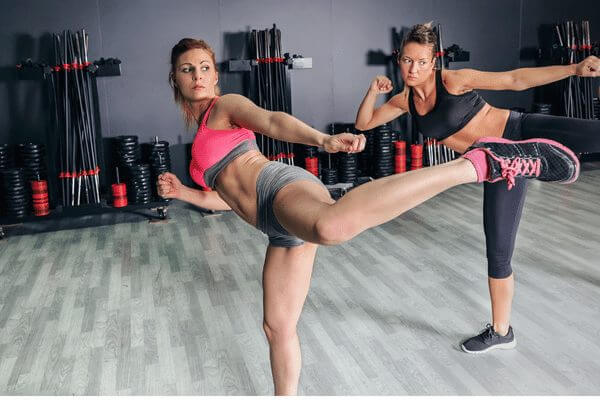
Practical Tips for Consistency
Planning and scheduling your workouts can make a big difference in your consistency. Treat your workouts like important appointments that you can’t miss. Write them down in your calendar and commit to them. If you’re struggling to find time, try to fit exercise into your daily routine. Walk or bike to work, take the stairs instead of the elevator, or do a quick workout during your lunch break. These small adjustments can add up and help you stay active throughout the day.
Building a support system is also crucial. Having workout buddies or joining a fitness community can provide accountability and encouragement. Friends can motivate you to show up even when you don’t feel like it. Group classes at X3 Sports are a great way to meet like-minded individuals and stay motivated. The sense of community and shared goals can make a big difference in maintaining your exercise routine.
Adapting to changing conditions is key to maintaining your exercise routine. Weather, schedule changes, or unexpected obstacles can throw you off track. Be flexible and have a backup plan. If it’s raining, try an indoor workout. If your schedule is packed, squeeze in a shorter session. Life is unpredictable, but having alternative plans ensures you stay on track despite disruptions.
Listening to Your Body
While pushing through fatigue is important, it’s equally essential to listen to your body. Know when to rest and recover. Overtraining can lead to injuries and burnout, so it’s important to recognize the signs that you need a break. Symptoms like persistent soreness, fatigue, and decreased performance are indicators that you might need more rest. Balancing your workouts with rest days ensures your body has time to recover and grow stronger.
If you do get injured, manage your recovery carefully. Modify your workouts to avoid aggravating the injury and seek advice from a healthcare professional if necessary. Focus on exercises that don’t stress the injured area and gradually reintroduce more challenging activities as you heal. Don’t let an injury derail your fitness journey; instead, find safe ways to stay active.
Keeping up with an exercise routine can be challenging, but with the right strategies, you can push through those tough moments and stay committed. Understand your fatigue, employ mental strategies, vary your workouts, and build a support system to keep yourself motivated. Most importantly, listen to your body and give it the rest it needs. With these tips, you’ll be able to just keep going, even when you don’t want to. Ready to take the next step? Sign up for a free class at X3 Sports today and stay committed to your fitness journey!
UNLOCK YOUR POTENTIAL: 12 POWERFUL BENEFITS OF PRIVATE KICKBOXING LESSONS | SAFE AND EFFECTIVE STRENGTH TRAINING FOR BEGINNERS: A STEP-BY-STEP GUIDE | HERE ARE 8 WORKOUT SAFETY TIPS FOR BEGINNERS
What to Look for in Fitness Instructor Classes in Atlanta

Finding the right fitness instructor classes can make all the difference in your exercise journey. Whether you’re a beginner or a seasoned athlete, the right class and instructor can motivate you, push your limits, and help you achieve your fitness goals. In a city like Atlanta, where the fitness scene is vibrant and diverse, knowing what to look for can help you make the best choice for your needs. Here’s a guide to help you navigate the options.
Fitness Instructor Classes Should Be Led By Experience and Expertise
When selecting a fitness instructor class, one of the first things to consider is the instructor’s experience and expertise. Different classes require different types of specialization. For example, a yoga class needs an instructor well-versed in various poses and breathing techniques, while a kickboxing class requires someone who can teach proper punching and kicking forms.
Experienced instructors bring a wealth of knowledge and can adapt exercises to fit your fitness level. They know how to push you just enough without risking injury. At X3 Sports, our instructors are not only seasoned professionals but also passionate about their disciplines, whether it’s kickboxing, MMA, Brazilian Jiu-Jitsu, or strength training. Their expertise ensures that you get the most out of each class, regardless of your starting point.
Moreover, experienced instructors have a keen understanding of how to modify exercises for various fitness levels. Whether you are a novice or an advanced athlete, they can tailor the workouts to challenge you appropriately. This adaptability is crucial in preventing injuries and promoting steady progress. Additionally, their background in fitness enables them to integrate different training modalities, providing a comprehensive and well-rounded fitness experience.
Teaching Style and Communication
A great fitness instructor does more than just lead a class; they inspire and motivate you to do your best. Look for instructors who use motivational techniques that resonate with you. Some people thrive on high-energy, intense encouragement, while others prefer a more laid-back, supportive approach.
Clear communication is also crucial. Instructors should be able to explain exercises in a way that is easy to understand, demonstrate proper form, and provide corrections when necessary. This not only helps you get the most out of your workout but also prevents injuries. Personal attention during classes is a hallmark of good instruction, and it’s something our instructors at X3 Sports prioritize.
Additionally, an instructor’s ability to create a positive and energetic atmosphere can greatly enhance your workout experience. The best instructors are able to engage the entire class, making the workout both fun and challenging. They use their communication skills to keep the class motivated, ensuring that everyone stays on track and pushes themselves. This type of environment can make a significant difference in your commitment to regular exercise.
Class Environment and Safety
The environment of the class plays a significant role in your overall experience. Consider the class size; smaller classes often mean more personalized attention from the instructor, which can enhance your learning and performance. At X3 Sports, we maintain optimal class sizes to ensure that each participant receives adequate attention and support.
Safety should always be a priority in any fitness class. Instructors should be knowledgeable about basic first aid and emergency procedures. Knowing that your instructor is prepared for any situation can give you peace of mind and allow you to focus entirely on your workout.
The setup and cleanliness of the class environment also contribute to your overall experience. A well-organized, clean, and spacious facility makes for a more comfortable and enjoyable workout session. At X3 Sports, we take pride in maintaining top-notch facilities that are equipped with the latest fitness equipment, ensuring that our members have access to everything they need for a great workout.
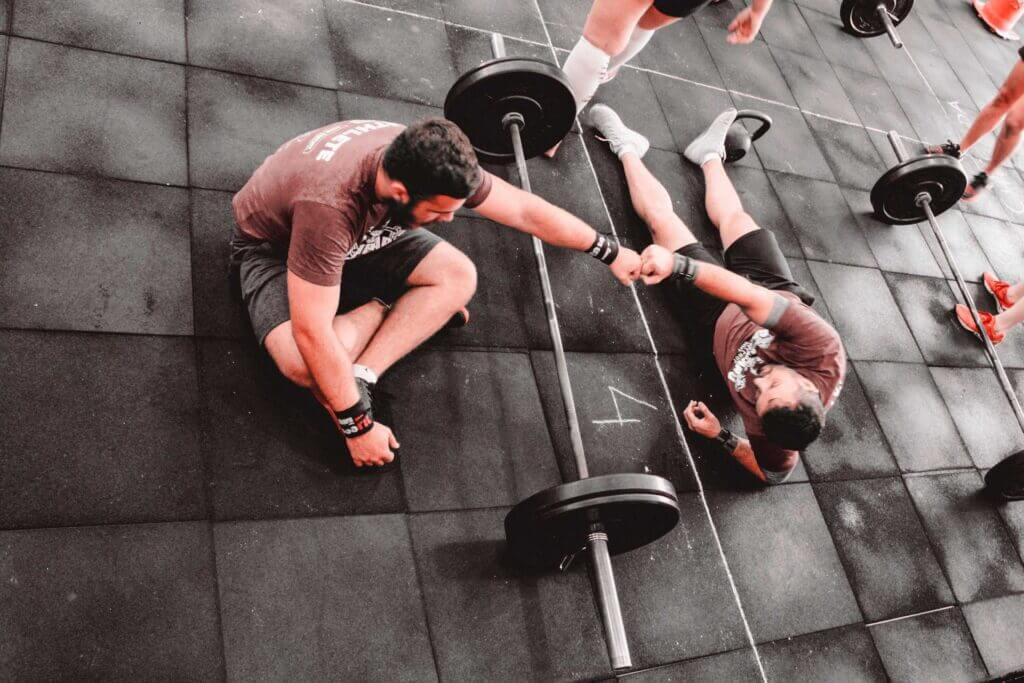
Personal Compatibility
Personal compatibility with your instructor is key to a positive fitness experience. Everyone has different preferences for how they like to be trained. Some people need a drill sergeant approach, while others prefer a more nurturing style. Starting with a trial session can be an excellent way to determine if the instructor’s style matches your needs.
Communication is a two-way street. It’s important that you feel comfortable providing feedback to your instructor. Good instructors are receptive to feedback and willing to adjust their approach to better meet your needs. Regular feedback sessions can help ensure that you are both on the same page and working towards your fitness goals effectively.
Finding an instructor who genuinely cares about your progress can make a world of difference. This personal connection can help you stay motivated and accountable. At X3 Sports, our instructors strive to build strong relationships with their clients, fostering an environment of trust and mutual respect. This connection ensures that you feel supported and encouraged throughout your fitness journey.
Success Stories and Testimonials
Hearing about the experiences of others can provide valuable insights into what you can expect from a class. Success stories and testimonials from current or past participants can highlight the effectiveness of the instructor and the class. At X3 Sports, we are proud of the numerous success stories from our members who have achieved their fitness goals with the help of our dedicated instructors.
These testimonials often speak to the instructor’s ability to inspire, their expertise, and the positive environment they create. Visible results, whether it’s weight loss, improved strength, or increased confidence, are the ultimate testament to the effectiveness of a fitness class.
Reading about other members’ journeys can be incredibly motivating. It shows that with dedication and the right guidance, achieving your fitness goals is possible. Our website and social media pages are filled with testimonials and success stories that highlight the transformative impact our classes have had on our members. These stories can serve as inspiration and reassurance that you are making the right choice by joining X3 Sports.
Choosing the right fitness instructor class in Atlanta is an important step towards achieving your fitness goals. By considering the instructor’s experience and expertise, their teaching style and communication skills, the class environment and safety measures, and your personal compatibility with the instructor, you can find a class that will not only meet but exceed your expectations.
At X3 Sports, we offer a variety of classes led by experienced and passionate instructors who are dedicated to helping you succeed. Whether you’re interested in kickboxing, MMA, Brazilian Jiu-Jitsu, or strength training, we have the perfect class for you. Visit one of our five locations in West Midtown, Inman Park, Marietta, North Marietta, or Athens, and sign up for a free class today to start your fitness journey with us.
Remember, the right fitness instructor class can be a game-changer in your fitness journey. It’s not just about the workout; it’s about finding a supportive community, learning from the best, and pushing yourself to new heights. So, take the time to find a class that fits your needs and goals. Your future self will thank you!
UNLOCK YOUR POTENTIAL: 12 POWERFUL BENEFITS OF PRIVATE KICKBOXING LESSONS | SAFE AND EFFECTIVE STRENGTH TRAINING FOR BEGINNERS: A STEP-BY-STEP GUIDE | SAFE AND EFFECTIVE STRENGTH TRAINING FOR BEGINNERS: A STEP-BY-STEP GUIDE
Unlock Your Potential: 12 Powerful Benefits of Private Kickboxing Lessons

You’re pumped about kickboxing—the energy, the workout, the empowering feeling of mastering a martial art. But you’re also thinking, “Where can I find the best private kickboxing lessons near me?”
You want that one-on-one attention, a workout program designed for your fitness level, and the flexibility to train on your own time. Let’s explore what private kickboxing lessons offer and how to discover the perfect fit for you.
12 Benefits of Private Kickboxing Lessons
Private kickboxing lessons offer a level of personalization and focus that group classes often can’t match. Maybe you’re new to kickboxing and want to learn the fundamentals in a supportive environment. Or perhaps you’re already experienced and looking to refine your technique or train for competition.
Whatever your motivation, private lessons let you progress at your pace, while offering the chance to deepen your understanding of concepts like the Roundhouse kick or improve your speed bag timing without the distractions of a group setting.
Here’s 12 clear benefits of enrolling in private kickboxing lessons.
1. One-on-One Attention from the Instructor
In a private setting, the instructor’s focus is solely on you, ensuring that every aspect of your training is tailored to your specific needs and goals. This dedicated attention allows for a more in-depth understanding of your strengths and areas for improvement.
2. Customized Feedback and Corrections
With one-on-one instruction, you receive immediate and customized feedback on your performance. The instructor can make real-time corrections to your form and technique, helping you improve more quickly and effectively than in a group class. This level of personalized feedback ensures that you are constantly progressing and refining your skills.
3. Developing Proper Technique and Form
Proper technique is crucial in kickboxing to maximize effectiveness and prevent injuries. Private lessons allow the instructor to closely monitor and guide your technique, ensuring that you perform each movement correctly. This focus on proper form helps build a strong foundation, which is essential for advancing your skills and achieving your fitness goals.
4. Workouts Designed to Meet Individual Goals and Fitness Levels
Private kickboxing lessons offer the advantage of workouts specifically designed to meet your personal fitness goals and current skill level. Whether you’re aiming to lose weight, build muscle, or enhance your overall fitness, your instructor will create a customized plan to help you succeed.
5. Flexibility in Training Schedules
One of the significant benefits of private lessons is the flexibility in scheduling. You can arrange sessions at times that are most convenient for you, making it easier to fit training into your busy lifestyle. This flexibility ensures that you can maintain a consistent workout routine.
6. Ability to Focus on Specific Areas
Private lessons allow you to concentrate on specific areas of kickboxing that you want to improve. Whether you need to work on your strength, cardio, or technique, your instructor can tailor the workouts to address these areas, helping you achieve more targeted and effective results.
7. Faster Improvement Due to Focused Training
With the personalized attention and customized workouts in private kickboxing lessons, you can expect faster improvement in your skills and fitness levels. The focused training ensures that you make the most of each session, maximizing your progress.
8. Setting and Achieving Personal Milestones
Private lessons provide the opportunity to set and achieve personal milestones. Your instructor will work with you to establish clear, achievable goals and help you stay on track to reach them. This goal-oriented approach keeps you motivated and engaged in your training.
9. Boost in Confidence and Motivation
As you see tangible progress in your kickboxing skills and fitness, you’ll experience a boost in confidence and motivation. The personalized support and encouragement from your instructor can help you stay committed to your training and continue pushing your limits.
10. Enhanced Safety and Injury Prevention
One of the key benefits of private kickboxing lessons is the enhanced safety they offer. With the instructor’s undivided attention, you receive precise guidance on executing techniques correctly, reducing the risk of injury. The instructor can spot potential issues with your form and make immediate adjustments, ensuring that you practice kickboxing safely and effectively. This personalized approach is particularly beneficial for beginners who are still learning the basics and for experienced practitioners aiming to refine their techniques.
11. Personal Accountability and Consistency
Private kickboxing lessons foster a sense of personal accountability. Knowing that your instructor is solely focused on your progress can motivate you to stay committed to your training regimen. The consistent, scheduled sessions help build a routine, making it easier to maintain discipline and stick to your fitness goals. This personalized commitment often leads to better results and a higher level of achievement in your kickboxing journey.
12. Opportunity for Building a Strong Rapport with the Instructor
Private lessons provide the unique opportunity to build a strong rapport with your instructor. This relationship can enhance your training experience, as the instructor gains a deeper understanding of your goals, strengths, and areas needing improvement. A good rapport fosters a supportive and motivating environment, making your training sessions more enjoyable and effective. This personal connection can also lead to more customized and meaningful feedback, further accelerating your progress.
How Much Do Private Kickboxing Lessons Generally Cost?
The cost of private kickboxing lessons can vary widely based on several factors, including the instructor’s experience, location, and the duration of the sessions. On average, you can expect to pay between $50 to $150 per hour for private kickboxing lessons, but this isn’t always the case.
At X3 Sports, private kickboxing classes are typically $100/hour.
Factors Influencing the Cost
- Instructor Experience and Reputation: More experienced and well-known instructors typically charge higher rates due to their expertise and proven track record. Instructors with specialized certifications or competitive backgrounds may also command higher fees.
- Location: The cost of private lessons can vary significantly depending on where you live. In larger cities with a higher cost of living, you might pay more compared to smaller towns or rural areas. Additionally, the availability of experienced coaches in your area can affect pricing.
- Lesson Duration: Standard private kickboxing lessons are usually one hour long, but some instructors offer shorter or longer sessions. The overall cost will adjust accordingly based on the length of each session.
- Package Deals: Many instructors offer discounts if you purchase a package of multiple sessions upfront. These packages can reduce the cost per lesson and provide a more affordable option for ongoing training.
- Facility Fees: If the lessons take place in a specialized gym or fitness center, there may be additional fees to cover the use of the facility. Some instructors might include these fees in their overall rate, while others may charge them separately.
Examples of Typical Pricing
- Beginner-Level Instructors: $50 to $75 per hour
- Intermediate-Level Instructors: $75 to $100 per hour
- Advanced or Expert-Level Instructors: $100 to $150+ per hour
Getting the Best Value
To ensure you get the best value for your investment in private kickboxing lessons, consider the following tips:
- Research and Compare: Look into several instructors in your area, compare their rates, and read reviews from previous students to gauge their effectiveness and teaching style.
- Trial Sessions: Take advantage of trial lessons or consultations to see if the instructor is a good fit for your needs before committing to a package.
- Ask About Packages: Inquire if the instructor offers discounted rates for bulk sessions or monthly packages.
Finding the Perfect Coach for Your Private Kickboxing Lessons
The relationship with your coach is essential to a successful private kickboxing lessons journey. Finding an instructor who aligns with your goals, learning style, and personality is critical. Here’s a breakdown of key factors to consider during your search:
Coaching Experience and Qualifications
Don’t be afraid to inquire about their coaching background. Are they certified by reputable organizations? Have they trained others with similar goals? An experienced instructor brings a wealth of knowledge and can adapt their teaching to your needs.
Training Methodology and Style
Every instructor has their approach. Some emphasize traditional techniques and forms, while others might integrate elements of fitness and conditioning into their sessions. It’s vital to find an instructor whose teaching resonates with your personal preferences and objectives.
Reach out to a few coaches in your area and ask about their training philosophies and what a typical coaching session looks like. Do they prioritize Self Defense techniques or focus more on fitness and conditioning? Find a style that matches your goals.
Testimonials and Reviews
In today’s digital age, online reviews and testimonials can provide valuable insights into a potential coach’s effectiveness and teaching style. Take some time to read what previous or current students say.
This first-hand feedback from other individuals can help gauge if the coach aligns with your needs. Websites like CoachUp often feature reviews from past students, giving you a glimpse into the coach’s teaching style and personality.
Trial Lessons and Consultations
Many instructors offer a trial lesson or a free consultation. This is your chance to assess their teaching style and see if it’s a good personality match. This trial period provides invaluable insights into their training methodologies, communication styles, and overall approach.
It allows you to evaluate whether their personality and coaching methods resonate with you and align with your goals. Remember, private kickboxing lessons are an investment in your well-being and development. It’s crucial to find a coach who fosters a positive and productive learning environment where you feel comfortable and motivated.
Key Questions to Ask Potential Instructors
Finding those perfect private kickboxing lessons near me starts with a great coach. Once you’ve found a few promising leads, a quick chat can reveal a lot. Consider asking these key questions to ensure the coach is a good fit for you.
| Question | Why It Matters |
|---|---|
| What is your teaching experience and background in kickboxing? | You’ll want to make sure they have solid experience, perhaps even with students at your level, be it beginner or advanced. You can also inquire about their years experience in specific areas, like teaching the Hook kick or Side kick. |
| Can you tailor sessions to my fitness level and goals, which are [clearly state your goals]? | Flexibility is key – the beauty of private lessons is that they can evolve with your needs. Whether you’re aiming for weight loss or looking to compete at a light middleweight level, ensure the coach can adapt. |
| What does a typical private lesson structure look like? | This gives you a sense of their teaching style – is it heavily technique-focused, do they incorporate conditioning, etc.? For example, do they utilize heart rate training during their sessions? |
| Do you offer trial lessons, and what are your rates? | This is standard practice; a trial run lets you see if it’s the right fit, plus, transparency in pricing is crucial. Many coaches offer a Good Fit Guarantee or a money-back guarantee if you aren’t satisfied after a certain number of sessions. |
Navigating the world of private kickboxing lessons may seem overwhelming. Still, it becomes much clearer armed with information and guidance. Embrace the process, do your research, and prepare to elevate your kickboxing game. You’ve got this.
Start Your Kickboxing Journey with Private Lessons Today
Private kickboxing lessons are your gateway to rapid progress, personalized training, and unparalleled results. Whether you’re aiming to master technique, enhance fitness, or build confidence, the right coach can help you unlock your full potential. Don’t wait to take your skills to the next level-start your journey today. Find a coach, schedule a trial session, and see firsthand how focused, expert instruction can transform your kickboxing experience.
Safe and Effective Strength Training for Beginners: A Step-by-Step Guide
The first step in a journey is the most important … and the most daunting.
Strength training is a game-changer in your fitness journey. It helps build muscle mass, cranks up your metabolism, and makes you stronger overall. Strength training for beginners can seem a bit intimidating, but don’t worry – we’ve got your back. This guide will give you the confidence and know-how to start strength training safely and effectively.
What You Should Know Before Getting Started
Strength training is awesome for building muscle, improving bone density, and boosting metabolism. For beginners, it sets the stage for long-term health and fitness, making you stronger and healthier overall as you become more active and mature.
Common Myths About Strength Training
Ever heard that “strength training will make you bulky” or “it’s only for young folks”? Let’s bust those myths right now. Strength training is beneficial for everyone, no matter your age or body type. And no, it won’t make you bulky unless you really want it to (actually, for women in particular, growing your muscles will make you look leaner because the muscles will be more defined.)
So You Want to Start Strength Training
Let’s get started then. But first, some ground rules.
Step One: Set Realistic Goals
Before jumping into strength training, set some achievable goals. Whether you want to get fit, build muscle, or lose weight, having clear objectives will keep you motivated and on track.
Setting realistic goals is a crucial first step in your strength training journey. Start by identifying what you want to achieve, whether it’s increasing overall strength, building muscle, or enhancing endurance. Break these long-term goals into smaller, manageable milestones that you can achieve over weeks or months.
This approach helps you stay motivated and allows you to track your progress more effectively. Remember, everyone’s fitness journey is unique, so focus on your personal growth rather than comparing yourself to others. Consistency and patience are key – celebrate each small victory along the way!
Step Two: Assess Your Current Fitness Level
Take a moment to assess where you’re starting from. Think about any past exercise experience, physical limitations, and your current strength and endurance levels. This will help tailor your training to suit you best.
If you’ve never worked out before or you’re not sure of your current fitness level, we suggest completing a physical assessment with a personal trainer (free for X3 Sports members!) Having a physical assessment will help you get a better understanding of your current fitness level and give you a baseline to compare your progress against.
Step Three: Choose the Right Gym and Equipment
For beginners, stick with the basics: resistance bands, dumbbells, and your own body weight. As you progress, you can mix in more advanced tools like barbells and kettlebells. If you’re planning on training in a gym, all the equipment you need will already be supplied for you. Make sure to pick a gym within a location that’s easily accessible to you, comfortable, and has hours that work with your schedule.
Workout clothes are a must. Go for a breathable material that’s comfortable and not too restrictive. If you’re thinking of starting in martial arts classes, you’ll need safety gear. In which case, we’ve got you covered (literally).
Get Into It: Exercises for Strength Training for Beginners
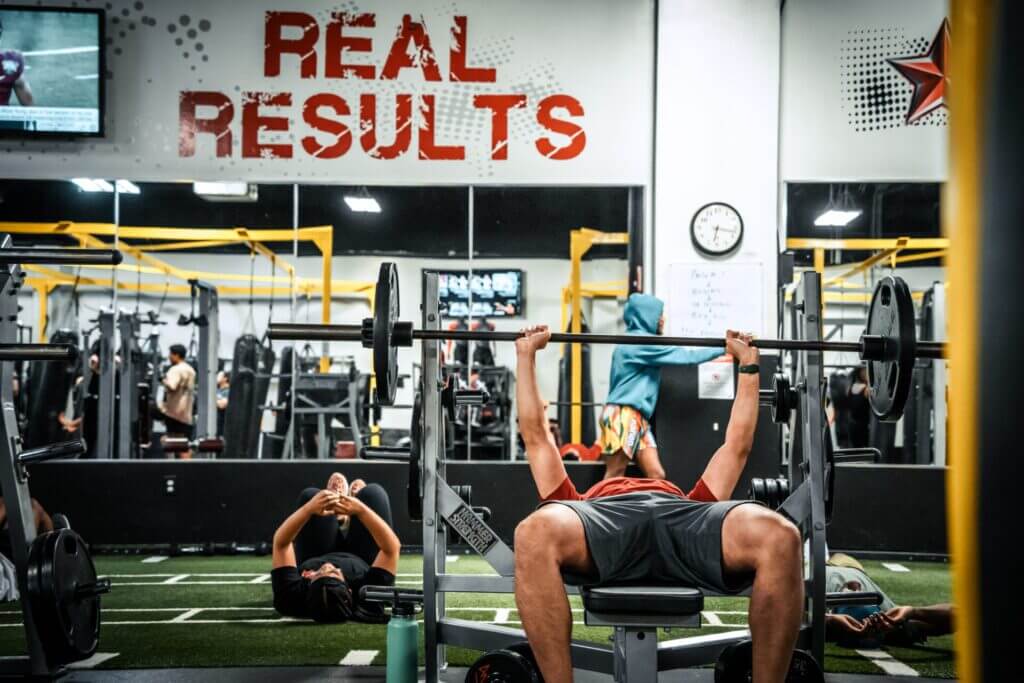
It doesn’t take much equipment to get started with strength training exercises. In fact, you don’t need any equipment at all. You can start with bodyweight exercises, which use your own weight as resistance and targets specific muscle groups. Once you’re comfortable with bodyweight exercises, you can move into using simple weights or resistance bands.
Bodyweight Exercises
Squats
Description: Stand with your feet shoulder-width apart, then lower your body as if you’re sitting back into a chair. Keep your chest up and your knees over your toes.
Tip: Push through your heels and keep your chest lifted for better balance.
Push-ups
Description: Start in a plank position with your hands under your shoulders. Lower your body until your chest nearly touches the floor, then push back up.
Tip: Keep your body in a straight line from head to heels to avoid sagging or arching your back.
Lunges
Description: Step forward with one leg and lower your hips until both knees are bent at 90-degree angles. Push back to the starting position and repeat with the other leg.
Tip: Make sure your front knee doesn’t go past your toes to protect your joints.
Planks
Description: Hold a push-up position with your body in a straight line from head to heels, engaging your core.
Tip: Keep your hips level and avoid letting them sag or rise too high.
Resistance Band Workouts
Band Pull-Aparts
Description: Hold a resistance band with both hands, arms extended in front of you. Pull the band apart by squeezing your shoulder blades together.
Tip: Keep your shoulders down and avoid shrugging them up during the movement.
Band Squats
Description: Stand on a resistance band with feet shoulder-width apart, holding the handles at shoulder height. Perform a squat as described above.
Tip: Focus on controlling the band’s resistance both during the squat and as you return to standing.
Band Rows
Description: Secure the band at a low anchor point. Holding the handles, step back to create tension and perform a rowing motion by pulling the handles towards your body.
Tip: Squeeze your shoulder blades together at the end of the pull for maximum engagement.
Band Chest Presses
Description: Anchor the band behind you, hold the handles at chest height, and press them forward until your arms are fully extended.
Tip: Keep your elbows slightly bent at the end of the press to avoid locking your joints.
Dumbbell and Kettlebell Exercises
Dumbbell Bicep Curls
Description: Hold a dumbbell in each hand with arms fully extended. Curl the weights up towards your shoulders while keeping your elbows close to your body.
Tip: Avoid swinging your arms or using momentum; focus on slow, controlled movements.
Dumbbell Shoulder Presses
Description: Hold dumbbells at shoulder height with palms facing forward. Press the weights overhead until your arms are fully extended.
Tip: Keep your core engaged to avoid arching your back during the press.
Kettlebell Swings
Description: Stand with feet shoulder-width apart, holding a kettlebell with both hands. Swing the kettlebell back between your legs, then thrust your hips forward to swing it up to shoulder height.
Tip: Use your hips, not your arms, to drive the movement and maintain a neutral spine.
Kettlebell Goblet Squats
Description: Hold a kettlebell close to your chest with both hands. Perform a squat as described above.
Tip: Keep the kettlebell close to your body to maintain balance and stability.
Structuring Your Workout: Reps, Sets, and Rest
For beginners, a good structure might be 2-3 sets (times you cycle through the exercise) of 8-12 reps (number of times you complete the exercise per set) per exercise with a 60-90 second rest between sets. This balance helps build strength without overtraining and helps you approach your routine with a plan.
Progressive Overload: How to Increase Intensity Safely
Progressive overload means gradually increasing the weight, frequency, or number of repetitions in your strength training program. This method ensures continual improvement while minimizing injury risk.
Sample Workout Regimen for Beginners
Day 1: Full-Body Workout
Squats: 3 sets of 10 reps
Tip: Push through your heels and keep your chest lifted.
Push-ups: 3 sets of 8 reps
Tip: Maintain a straight line from head to heels.
Dumbbell Rows: 3 sets of 10 reps
Tip: Squeeze your shoulder blades together at the top of the movement.
Planks: 3 sets of 30 seconds
Tip: Engage your core and keep your body straight.
Day 2: Rest or Light Cardio
Day 3: Upper Body Focus
Dumbbell Shoulder Presses: 3 sets of 10 reps
Tip: Avoid arching your back by engaging your core.
Bicep Curls: 3 sets of 12 reps
Tip: Focus on slow, controlled movements.
Tricep Dips: 3 sets of 10 reps
Tip: Keep your elbows close to your body.
Planks: 3 sets of 30 seconds
Tip: Keep your hips level.
Day 4: Rest or Light Cardio
Day 5: Lower Body Focus
Lunges: 3 sets of 12 reps per leg
Tip: Ensure your front knee stays behind your toes.
Glute Bridges: 3 sets of 15 reps
Tip: Squeeze your glutes at the top of the movement.
Calf Raises: 3 sets of 15 reps
Tip: Control the movement both up and down.
Planks: 3 sets of 30 seconds
Tip: Keep your body in a straight line.
Day 6: Rest or Light Cardio
Day 7: Rest and Recovery
Tips for Preventing Injuries
Injuries don’t only hurt, but they also are a setback in reaching your fitness goals. As a beginner, preventing injuries is of utmost importance. To do that, make sure you’re using proper form and listening to your body. You should never feel pressure to push yourself past your limits.
Proper Form and Technique
Maintaining correct form and technique is crucial to prevent injuries. If you’re unsure about how to properly execute a new move, seek guidance from a trainer or watch instructional videos until you’re comfortable in your form. Use a camera or mirror to watch yourself do the move to check your form.
Listen to Your Body
Pay attention to your body’s signals. If you experience pain (not to be confused with the discomfort of a good workout), stop and reassess your form or consult a professional. If the pain persists, stop working out and consult a healthcare professional.
Don’t Skip Rest and Recovery Days
Rest days are essential for muscle recovery and growth. Ensure you get adequate sleep and avoid overtraining. A general rule is to have 3-5 days of structured activity and 2 days of rest. Getting enough quality sleep is essential for recovery. Aim for a minimum of 8 hours of sleep every night.
Nutrition and Recovery for Strength Training
Your body needs fuel to get stronger and recover. Without enough food, you won’t see the progress you need, and you’ll experience more muscle fatigue and low energy levels, which will hinder your fitness progress.
Fueling Your Workouts: Pre and Post-Workout Nutrition
Consume a balanced meal with protein and carbohydrates before and after workouts to fuel your body and aid recovery. Counting calories is never necessary, but try to find a balanced diet that works for you and your body and leaves you satisfied and full.
Hydration Tips
Stay hydrated throughout the day, especially before, during, and after your workouts to maintain performance and recovery. Try to get your body weight in ounces in water each day, more if you’re especially active (double your body weight’s worth of water for highly active days).
Tracking Progress and Staying Motivated
Track your workouts, noting exercises, weights, reps, and how you felt. This log helps monitor progress and keep you motivated.
Setting Milestones and Rewards
Set short-term and long-term milestones. Reward yourself when you achieve them to stay motivated and focused.
Joining a Fitness Community or Group
Joining a fitness community or group class can provide support, motivation, and accountability. Group workout classes are a great way to meet people, stay motivated, and learn a new skill. Fitness classes are especially beneficial for beginners because they are beginner-friendly and under the supervision of a certified instructor. They’re a great introduction to fitness!
Start Strength Training at X3 Sports!
Strength training offers numerous benefits and is accessible to everyone, regardless of age or fitness level. Start with basic exercises, focus on proper form, and gradually increase intensity, and you’ll reach your goals in no time!
Remember, everyone starts somewhere, and consistency is key to seeing progress.
Ready to begin? Sign up for a free class at X3 Sports and take the first step towards a stronger, healthier you!
Here are 8 Workout Safety Tips for Beginners

Starting your fitness journey is exciting, but it’s crucial to keep workout safety in mind. It’s not just about being cautious; it’s about laying a solid foundation for your fitness success and staying healthy (Isn’t that the whole point of working out?)
These 8 workout safety tips will help you avoid injuries and keep you on track to meet your goals.
Why Safety is So Important in Fitness
We all know someone who’s ended up with a gym or sports injury. Improper workouts can cause anything from minor strains to serious issues like torn ligaments. According to the National Institutes of Health, bad form and overexertion are big culprits behind gym injuries. So, focusing on safety helps you dodge these problems and make your workouts more effective.
Injuries can really mess with your progress, causing frustrating setbacks. By nailing the proper technique and forming good workout safety habits early on, you target the right muscles without stressing your joints and tendons too far.
Safe workouts keep you from having to take long breaks from injuries and allow you to stay consistant, which is key to hitting your fitness targets. Consistency builds strength, endurance, and overall fitness. When you’re not sidelined by injuries, you can stick to a routine and see real progress. Research from the Journal of Sports Science & Medicine shows that athletes who prioritize injury prevention have longer, more productive training periods.
Workout Safety Tips for Beginners and Non-Beginners
Tip 1: Start with a Proper Warm-Up
Don’t skip the warmup! Warming up is a must-have workout safety tip since it gets your body ready for the action. It gradually cranks up your heart rate and boosts blood flow to your muscles, making them more flexible before adding in a heavier or more strenuous movement. This not only lowers the risk of injury but also boosts your performance. Studies show that a good warm-up can actually ramp up muscle performance and cut down the chance of strains.
Effective Warm-Up Exercises
Mix in some dynamic stretches and light cardio to prep your body. Dynamic stretches like leg swings, arm circles, and torso twists get your joints moving and muscles loosened up. Light cardio, such as jumping jacks or a brisk walk, raises your heart rate and gets your blood pumping, making your muscles more pliable and ready for action.
Tip 2: Use Correct Form and Technique
Using the right form and technique ensures you’re working the intended muscles without putting unnecessary strain on your joints. Bad form can lead to muscle imbalances and joint injuries. Research shows that improper form is a top cause of chronic pain and injuries in fitness enthusiasts. Knowing proper form is especially important because sometimes you might not know you’re doing something wrong until it hurts. That’s why one of our bonus workout safety tips is working with a trainer to perfect your movements and avoid injury.
How Trainers at X3 Sports Ensure Proper Technique
At X3 Sports, our expert trainers provide personalized guidance both in class and during personal training sessions to help you master the right form. They keep an eye on your movements and offer corrections to make sure every exercise is safe and effective. This not only cuts down your risk of injury but also maximizes your workout benefits. Plus, trainers can help to tailor exercises to your fitness level, ensuring you progress safely.
Tip 3: Listen to Your Body
Overexercising causes more harm than good, so pay attention to what your body is telling you. Overexertion can show up as sharp pain, dizziness, extreme fatigue, or extreme shortness of breath. Ignoring these signs can lead to serious injuries or health issues. Injury prevention experts advises against pushing through pain, as this can make injuries worse and extend recovery times.
When to Take a Break
Taking breaks during your workout and after is essential for letting your body recover. This prevents overtraining and helps you maintain a sustainable fitness routine. Rest days are just as important as workout days, giving your muscles time to repair and grow stronger. Including rest in your routine prevents burnout and keeps you motivated.
Tip 4: Stay Hydrated
Staying hydrated is key to keeping your energy levels up and preventing cramps and dizziness. Water helps regulate your body temperature, lubricate your joints, and transport nutrients to keep you energized and healthy. According to the Mayo Clinic, even slight dehydration can cause muscle fatigue and coordination loss, raising the risk of injury.
Tips for Staying Hydrated
Drink water before, during, and after your workouts. Aim for at least 8 ounces of water 20-30 minutes before exercising, and keep sipping throughout your workout. For intense or long workouts, try electrolyte-enhanced drinks to replace lost salts and minerals. Avoid too much caffeine and alcohol, as they can dehydrate you.
Tip 5: Incorporate Cool-Downs
Cooling down helps your heart rate and breathing return to normal, reduces muscle soreness, and starts off the muscle recovery process. A proper cool-down can improve flexibility and help you relax. Workout safety research shows that cooling down can reduce lactic acid buildup, which causes muscle stiffness and soreness.
Effective Cool-Down Techniques
Include light cardio and static stretching in your cool-down routine. Light cardio, like walking or slow jogging, gradually brings down your heart rate. Static stretches, where you hold a stretch for 15-30 seconds, help improve flexibility and reduce muscle tension. Focus on stretching the major muscles you worked during your session.
Tip 6: Wear Appropriate Gear
Wearing the right gear protects you and helps prevent injury. Pick breathable fabrics that wick away sweat to keep you comfy and to avoid overheating. Proper shoes offer the support and cushioning needed, reducing the risk of foot and ankle injuries. The American Academy of Orthopaedic Surgeons recommends choosing shoes specific to your activity for the best support and stability.
Safety Gear for Combat Sports
For activities like boxing or martial arts, using protective gear like hand wraps, gloves, mouthguards, and shin guards is crucial for staying safe. In fact. Any reputable martial arts gym would not let you spar without proper gear, X3 Sports included.
Protective gear helps absorb impact and shields vulnerable areas from injury. At X3 Sports, we emphasize the use of appropriate gear to ensure our members’ safety during high-intensity classes. Need gear? We’ve got you covered with rentals and gear purchases available at every location.
Tip 7: Follow a Structured Plan
A structured plan keeps you organized and ensures you work all muscle groups effectively. It prevents overtraining and helps you track your progress. Following a plan also keeps you motivated and focused on your goals. We’ve found that people with structured workout plans and a set schedule are more likely to stick to their routines and hit their fitness goals.
How X3 Sports Classes Provide Structured Workouts
X3 Sports offers structured classes led by expert trainers who design programs to keep you safe and help you progress. These classes provide a balanced mix of cardio, strength, and flexibility exercises tailored to different fitness levels. Our trainers ensure each session is challenging yet safe, helping you achieve optimal results.
Tip 8: Focus on Recovery
Just like you should never skip the warm up, you should never skip recovery days. Rest is crucial for muscle repair and growth. Without enough rest, your muscles can’t recover from the stress of exercise, leading to overtraining and injury. There is no one-size-fits-all sleep recommendation, and many factors determine how much sleep is optimal for you. As a general rule though, 7-9 hours of sleep per night for optimal recovery and performance.
Effective Recovery Techniques
Include activities like foam rolling, stretching, and massage to aid muscle recovery and prevent injuries. Foam rolling helps release muscle tightness and improve blood flow. Stretching keeps your muscles flexible and prevents stiffness. Massage can reduce muscle soreness and improve circulation.
The Benefits of Working Out With Experienced Trainers
Working with experienced trainers provides personalized guidance to help you achieve your goals safely and effectively. Trainers can tailor workouts to your fitness level, monitor your form, and make adjustments as needed. This personalized approach minimizes the risk of injury and maximizes your progress.
How Trainers at X3 Sports Ensure Safety
Trainers at X3 Sports are dedicated to ensuring your safety by monitoring your form, providing modifications, giving personalized workout safety tips for your concerns, and creating a supportive environment. They offer expert advice on injury prevention and recovery, helping you stay on track with your fitness goals. Whether you’re in a group class or a one-on-one session, our trainers prioritize your well-being and success.
Workout safety is the foundation of a successful fitness journey. By following these workout safety tips, you can avoid injuries and make consistent progress. Remember, prioritizing safety isn’t just about preventing injuries—it’s about getting the most out of your workouts. So, whether you’re a beginner or a seasoned athlete, keep these safety tips in mind and stay on track to achieve your fitness goals.
Sign up for a free class at X3 Sports today and let our expert trainers guide you to a safer, more effective workout routine!
What Is BJJ? Exploring the Basics of Brazilian Jiu-Jitsu

Brazilian Jiu-Jitsu (BJJ) is more than just a workout—it’s a martial art, a self-defense system, and even a way of life for many. But what is BJJ, exactly? Simply put, it’s a grappling-based martial art that emphasizes ground fighting and submission holds. It teaches you to control and subdue an opponent using leverage, technique, and strategic positioning rather than relying solely on brute strength.
A History of Leverage and Transformation: Unpacking What is BJJ
To understand what BJJ is, it helps to understand its origins. In the early 20th century, a Japanese Judo master named Mitsuyo Maeda, a prominent Japanese judoka, brought his expertise in Japanese jiu-jitsu to Brazil, where he met Carlos Gracie.
Maeda’s Jiu-Jitsu, a blend of traditional Japanese jiu-jitsu, Kodokan Judo, and his own innovations, deeply impressed Carlos, who began training with the master. This marked the genesis of what would eventually become known as Brazilian Jiu-Jitsu.
Carlos Gracie, along with his brothers, notably Helio Gracie, refined and developed Maeda’s teachings. They focused on techniques that favored leverage and technique over brute strength. This emphasis stemmed partly from Helio Gracie’s smaller stature. It led to a system that enabled smaller individuals to effectively defend themselves against larger opponents. The Gracie family rigorously tested their evolving system in numerous Vale Tudo fights. These no-holds-barred contests were popular in Brazil and proved the effectiveness of BJJ in real-life scenarios.
The Evolution of Brazilian Jiu-Jitsu
Over the years, BJJ continued to grow and gain recognition. The Gracie family played a significant role in its global popularization. Family members like Royce Gracie demonstrated its effectiveness in the early days of the Ultimate Fighting Championship (UFC). Royce’s success in defeating larger opponents showcased BJJ’s power on a global stage.
This success prompted many to ask “what is BJJ?” It ignited a surge of interest in this modern martial art. BJJ distinguished itself through its focus on live sparring or “rolling.” This allows practitioners to test techniques in a dynamic and controlled environment. Today, BJJ is practiced both as a self-defense system and a competitive sport, with major organizations like the International Brazilian Jiu-Jitsu Federation (IBJJF) holding tournaments worldwide.
The beauty of BJJ is that it transcends size, strength, and even athletic ability. It’s a testament to human ingenuity, proving that a well-executed technique can often trump raw power. BJJ is about mastering leverage, developing a keen understanding of body mechanics, and strategizing your movements. Whether you’re drawn to its self-defense aspects, intrigued by the technical intricacies, or simply looking for an effective workout, BJJ has something to offer.
The Fundamentals of Brazilian Jiu-Jitsu
BJJ encompasses a vast and intricate system of techniques. It’s often likened to a game of physical chess, where practitioners aim to outmaneuver their opponents and secure dominant positions. Central to what BJJ is are takedowns, positional control, and submissions.
Takedowns
In BJJ, a match doesn’t just start on the ground—you need to know how to get there safely and strategically. Takedowns are about bridging the distance, breaking your opponent’s balance, and bringing them to the mat, all while minimizing your risk of getting hit.
Whether you’re using throws that utilize your entire body weight or more leverage-based takedowns, mastering takedowns is about control and technique over brute force. Think of it this way: BJJ aims to negate the advantages a larger and stronger opponent may have in a fight. You are more likely to avoid getting hurt in a street fight if you learn to grapple and get your opponent to the ground in a controlled way.
Elite MMA in Houston focuses on teaching these principles and methods to empower their students, both on and off the mats.
Positional Control: Mastering Leverage and Strategy
Once the fight goes to the ground, positional control becomes paramount. In essence, what BJJ is all about is positioning—it’s about using leverage and technique to control your opponent’s movement, limiting their ability to attack while setting up your own. This can include:
- Guard: This fundamental position involves controlling your opponent from your back, using your legs to create space and offensive opportunities.
- Side Control: This position provides substantial control by pinning your opponent on their side, limiting their movement while opening avenues for attacks and transitions to more dominant positions.
- Mount: The mount position gives you a dominant position from which to strike (in self-defense scenarios) or apply a wider array of submissions, using your weight and leverage to control your opponent’s movement effectively.
- Back Mount: This highly advantageous position offers superior control and opens up various submission opportunities while minimizing your opponent’s ability to attack effectively.
Submissions: Bringing the Fight to a Close
Submissions are the heart of BJJ. These are the techniques that ultimately force your opponent to “tap out” or risk injury. BJJ’s focus on submission holds is part of what makes it such an effective martial art. These techniques aim to strategically use joint locks and chokeholds to force an opponent into submission without causing unnecessary harm. It’s important to remember that what sets BJJ apart is the controlled environment. In the context of sport jiu-jitsu, it is always recommended that practitioners “tap” to avoid serious injuries, but having the ability to subdue an attacker in self-defense situations is crucial.
BJJ incorporates a diverse range of submission techniques. It utilizes chokes like the rear-naked choke, guillotine, and triangle. It also uses joint locks targeting elbows, shoulders, and knees, like armbars, leg locks, and shoulder locks.
The Importance of Live Training (“Rolling”)
Theory and drills lay the foundation, but the essence of what BJJ is lies in its emphasis on live sparring, or “rolling.” It’s during these sessions, against resisting opponents, that BJJ practitioners refine their technique, timing, and strategy. “Rolling” lets you test your skills in a controlled yet dynamic setting, teaching you to adapt and think under pressure. Think of it like a friendly game of chess where both players are actively trying to checkmate each other – it keeps things exciting and unpredictable.
What are the Fitness Benefits of Practicing Brazilian Jiu-Jitsu?
Brazilian Jiu-Jitsu (BJJ) is not only a martial art but also a highly effective full-body workout. Practicing BJJ regularly can lead to significant improvements in various aspects of fitness.
Here are some key fitness benefits you can expect to gain from training in BJJ:
Cardiovascular Health
- Improved Cardiovascular Endurance: BJJ involves intense physical activity that can elevate your heart rate and improve cardiovascular endurance. The constant movement, transitions, and effort required during sparring sessions (rolling) provide an excellent aerobic workout.
- Increased Stamina: Regular training sessions help build stamina and endurance, allowing practitioners to perform at higher intensities for longer periods.
Muscular Strength and Endurance
- Full-Body Strength: BJJ requires the use of nearly all muscle groups. Techniques such as sweeps, submissions, and escapes engage muscles in the arms, shoulders, chest, back, core, and legs. Over time, practitioners develop significant strength and muscle tone.
- Functional Strength: The strength gained through BJJ is highly functional, as it involves movements that are practical and applicable to real-life situations, unlike some isolated exercises typically done in a gym.
Flexibility and Mobility
- Enhanced Flexibility: Many BJJ techniques require a high degree of flexibility, especially in the hips, legs, and shoulders. Regular practice helps improve overall flexibility, making movements more fluid and reducing the risk of injuries.
- Improved Joint Mobility: The dynamic movements and stretches involved in BJJ training enhance joint mobility, particularly in the hips, knees, and shoulders. This can be beneficial for overall movement efficiency and injury prevention.
Core Strength
- Strong Core Muscles: A strong core is essential for maintaining balance and executing techniques effectively in BJJ. The constant engagement of the core muscles during training leads to improved core strength and stability.
- Better Posture: Strengthening the core muscles also contributes to better posture and alignment, both on and off the mat.
Weight Loss and Body Composition
- Caloric Burn: BJJ is an intense physical activity that burns a significant number of calories. This can contribute to weight loss and fat reduction when combined with a healthy diet.
- Lean Muscle Mass: The combination of aerobic and anaerobic exercise in BJJ helps build lean muscle mass, which can improve overall body composition and metabolic rate.
Mental Benefits
- Stress Relief: The physical exertion and focus required in BJJ can help reduce stress and improve mental well-being. Many practitioners find that the discipline and camaraderie of BJJ provide a healthy outlet for stress relief.
- Increased Mental Toughness: BJJ challenges practitioners both physically and mentally. Overcoming difficult situations on the mat can build mental resilience, discipline, and confidence.
Balance and Coordination
- Enhanced Balance: BJJ requires maintaining balance while performing complex movements and techniques. This improves overall balance and coordination, which can be beneficial in daily activities and other sports.
- Refined Motor Skills: The precise movements and techniques in BJJ help develop fine motor skills and body awareness, leading to improved coordination and agility.
What Martial Arts Forms Are Most Closely Related to Brazilian Jiu-Jitsu?
Judo
Judo is perhaps the most closely related martial art to Brazilian Jiu-Jitsu (BJJ). BJJ actually evolved from Kodokan Judo, which focuses heavily on throws, grappling, and ground fighting. Many techniques in BJJ, especially those related to ground control and submissions, have their roots in Judo.
Sambo
Sambo, a Russian martial art, also shares similarities with BJJ. Like Judo and BJJ, Sambo emphasizes grappling and submissions, though it incorporates leg locks more extensively. Sambo combines elements of Judo and wrestling, making it a comprehensive grappling art.
Wrestling
Wrestling, both freestyle and Greco-Roman, has techniques that overlap with BJJ, particularly in takedowns and control positions. While wrestling doesn’t typically focus on submissions, the skills in positional control and escapes are very relevant to BJJ practice.
How Does Training BJJ Differ from Other Types of Martial Arts Training?
Focus on Ground Fighting
One of the primary differences in BJJ training compared to other martial arts is its extensive focus on ground fighting. While many martial arts include standing techniques like strikes and throws, BJJ practitioners spend a significant amount of time learning to control and submit opponents on the ground. This involves learning various positions, such as the guard, mount, and side control, and mastering transitions between these positions.
Sparring and Rolling
In BJJ, sparring (often referred to as “rolling”) is a core component of training. Rolling allows practitioners to apply techniques in a live, resisting environment, which is crucial for developing practical skills and understanding how to adapt techniques against different opponents. This emphasis on live training is more pronounced in BJJ compared to some other martial arts that may focus more on drilling techniques or performing set forms (kata).
Emphasis on Technique Over Strength
BJJ places a strong emphasis on leverage, technique, and efficiency of movement rather than brute strength. The philosophy of BJJ is that a smaller, weaker person can successfully defend against a larger, stronger opponent by using proper technique and body mechanics. This approach contrasts with martial arts that may place a greater emphasis on physical conditioning and power.
Use of Gi and No-Gi Training
BJJ training often includes both Gi (traditional kimono) and No-Gi (without the kimono) formats. Gi training focuses on grips and techniques that involve using the opponent’s clothing, while No-Gi training emphasizes speed and fluidity with fewer gripping opportunities. This dual approach helps practitioners become versatile and adapt techniques to different situations.
Community and Culture
The BJJ community is known for its inclusive and supportive culture. Training environments often foster camaraderie and mutual respect among practitioners, regardless of skill level. This positive and collaborative atmosphere is a hallmark of BJJ academies and contributes to the art’s appeal and growth.
By understanding these aspects, you can see how Brazilian Jiu-Jitsu stands out as a unique and effective martial art, emphasizing ground control, live practice, and technical proficiency over sheer physical power.
Is BJJ Right For You?
So, you’ve delved into what BJJ is and learned about its history, core principles, and training methods. You may still be wondering if it’s the right fit for you. If any of these aspects appeal to you, then the answer might be a resounding yes.
| Aspect | Description |
|---|---|
| Self-Defense | BJJ empowers individuals, regardless of size or strength, to defend themselves effectively against larger attackers by taking the fight to the ground, neutralizing striking advantages, and applying control through submissions. |
| Fitness & Well-Being | BJJ offers a physically and mentally challenging full-body workout, enhancing strength, flexibility, cardiovascular health, problem-solving abilities, stress relief, and an increased sense of self-confidence. |
| Community & Camaraderie | BJJ training fosters a supportive and collaborative community, often referred to as a family. Training partners push and motivate each other to improve, celebrating achievements and overcoming challenges together. Women, in particular, often find a welcoming and empowering space in many BJJ gyms, as highlighted by Team Temple BJJ. Their dedication to creating an inclusive and supportive training environment has seen many women excel in jiu-jitsu and beyond. |
FAQs about what is bjj
What does BJJ stand for?
BJJ stands for Brazilian Jiu-Jitsu.
What is BJJ fighting style?
BJJ’s fighting style centers around grappling and ground fighting. Practitioners utilize leverage, technique, and positional dominance to subdue opponents. BJJ practitioners aim for submission holds rather than strikes. BJJ prioritizes strategy and technique over brute force, enabling smaller individuals to defend themselves effectively against larger opponents.
Is BJJ a tough sport?
BJJ is physically and mentally demanding. It requires discipline, perseverance, and a willingness to push your limits, leading to increased strength, flexibility, and cardiovascular health. While the learning curve can be steep, the rewards of mastering this martial art extend beyond the mat, especially when starting at a young age.
Conclusion
What is BJJ? Ultimately, it is a journey of self-discovery, discipline, and the relentless pursuit of improvement. Whether your goal is to compete at the highest levels, learn effective self-defense techniques, or challenge yourself both physically and mentally, BJJ offers a path toward those aspirations.
It is a martial art that embraces diversity, welcoming people of all ages, genders, and athletic backgrounds. It’s about challenging yourself, learning new skills, and building lasting connections within a supportive community. So, step onto the mats, experience the “gentle art” firsthand, and discover the transformative power of Brazilian Jiu-Jitsu for yourself.
Gym Membership Benefits: 5 Reasons to Choose a Local Gym Over Big Chains

Hey there, fitness enthusiasts! Before you jump on the big chain gym bandwagon, let’s chat about the real gym membership benefits of going local.
From personalized attention to a sense of community, local gyms offer more than just a workout—they offer an experience. Curious? Keep reading to find out why a local gym might be the game-changer you need.
1. Personalized Attention and Training
Be on a First Name Basis
At local gyms, you’re more than just a membership number. Trainers and staff take the time to get to know you, your fitness goals, and your unique needs. This personalized approach allows them to personalize your training experience. Whether that’s through personal training, group fitness, or just a welcome at the door, a personalized touch creates a sense of belonging and accountability.
Get Readily Available Support
Local gyms often have experienced trainers who are deeply invested in their clients’ success. Unlike big chain gyms, where you might struggle to get a trainer’s attention, especially without paying a premium price for training, local gyms offer a more intimate training setting with trainers readily available. This means you can get the guidance and support along with your gym membership to ensure your workouts are effective and safe.
2. Strong Sense of Community
Make Friends
One of the standout local gym membership benefits is the sense of community they foster with people who live in the same neighborhoods and cities. Smaller gyms generally have a smaller member base than chain gyms, so you’ll find it easier to build relationships with fellow gym-goers and staff and participate in local events, which can significantly boost your motivation and accountability.
Find a Support System
Going to the gym becomes more than a workout chore, but a fun networking and socializing opportunity. It’s common to make friends and find real connections at local gyms, but mostly find a support system for meeting your fitness goals. Having a support system can be crucial for maintaining a consistent workout routine and reaching your goals.
Group fitness classes at local gyms have a friendly and welcoming atmosphere that encourages participation and camaraderie. Plus, the smaller class sizes mean you get more personalized attention from the instructors.
3. Unique Class Offerings
Greater Membership Value
Our local training center offers a variety of specialized fitness classes that come with every gym membership. Unlike big chain gyms, where you might only get one kind of group fitness program with your gym membership. Whether you’re interested in kickboxing, Brazilian Jiu Jitsu, or HIIT workouts, X3 Sports is a unique training center because of the diverse class schedule, which gives our gym memberships a competitive value. Don’t feel like you have to stick to one workout. In fact, there are major fitness benefits to mixing up your workout routine with different types of activities.
Find New Hobbies
These unique offerings keep your workouts exciting and help you find new ways to challenge yourself. Many of our members start out doing one class such as kickboxing but discovery a love of another sport like Muay Thai through the encouragement and support they received through other members and trainers.
Customize Your Experience
Local gyms are known for their innovative approach to fitness. Where chain gyms often have one way of training that’s uniform across all classes, at a local gym you’ll likely find a range of training styles that cater to different preferences and fitness levels based on class demographics or interests. This variety ensures that you can find a trainer or class that suits your needs and goals best.
4. Higher Quality Equipment and Facilities
Well-Maintained Facilities
At local gyms, the equipment is often better maintained and more up-to-date compared to big chain gyms. Since local gyms operate on a smaller scale, they can pay more attention to the details, ensuring that everything is in top condition for their members. Also, since local gyms have less traffic, one of the best local gym membership benefits is not having to fight over a squat rack at 5 PM!
A clean and comfortable workout environment is essential for a positive gym experience. Local gyms typically pride themselves on maintaining high standards of cleanliness and comfort. This attention to detail creates a welcoming atmosphere that makes it easier to stay committed to your fitness routine.
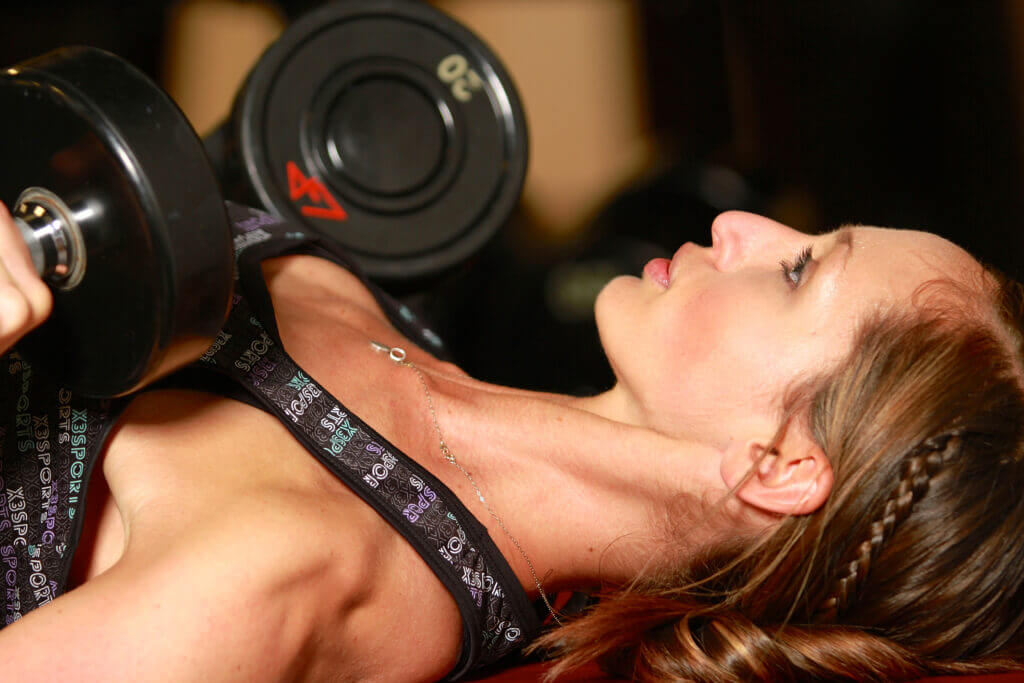
5. Support a Local Businesses
Positive Economic Impact
When you choose a local gym, you’re not just investing in your health; you’re also supporting your community. Local gyms contribute to the local economy by creating jobs and fostering community engagement. By choosing a local gym membership, you’re helping to sustain the vitality of your neighborhood. Small business are key to a thriving neighborhood, and a local gym is a great way to support local while also getting gym membership benefits.
Personalized Customer Service
Local gyms often excel in customer service because they have a genuine interest in the satisfaction of their members. You’re more likely to receive personalized attention and quicker responses to any questions or concerns. If you’re having account or personal issues, you can talk to a real person opposed to multiple layers of bots of forms. This level of care can make your gym experience more enjoyable, rewarding, and flexible.
Weighing the Options: Local Gyms Might Not Be for Everyone
We’d be remiss to not mention some reasons why a person might choose a chain gym over a local gym. It’s always a good idea to weigh your options and know the pros and cons of each choice.
Benefits of Chain Gyms
One of the biggest advantages of chain gyms is their wide network of locations across the country. If you travel frequently, a chain membership might be more convenient for you since most local gyms are limited to one city or state, even if they have multiple locations.
Along with that, chain gyms often have more extensive hours of operation, sometimes even 24/7 access, making it easier to fit a workout into a busy schedule.
Additionally, chain gyms sometimes have a larger variety of equipment and amenities, such as swimming pools, saunas, tanning beds, basketball courts, smoothie bars or childcare facilities. The sheer scale of chain gyms allows them to offer a breadth of services that smaller, local gyms might not be able to match.
Because chain gyms have more locations and less personalization and group fitness options than local gyms, they are often more budget-friendly. Though, it’s often at the sacrifice of quality and personalization of their services.
Why Choose Local
Local gyms offer a range of benefits that big chain gyms simply can’t match. From personalized training and a strong sense of community to unique class offerings and superior customer service, local gyms provide a more tailored and fulfilling fitness experience with benefits both in and out of the gym.
Experience It for Yourself – Sign Up for a Free Class
Ready to experience the benefits of a local gym for yourself? Sign up for a free class at X3 Sports today and discover why our members love the personalized attention, community atmosphere, and top-notch facilities.
With five convenient locations around metro Atlanta, there’s no better time to start your fitness journey with us.