Posts by x3sports
Types of Stamina-Building Workouts for Cardiovascular Health

Maintaining cardiovascular health is essential for overall well-being, and building stamina through targeted workouts is one of the best ways to achieve this. Stamina-building workouts not only enhance your endurance but also improve heart health, boost energy levels, and help manage weight. At X3 Sports, we offer a variety of classes designed to help you build stamina and elevate your cardiovascular health in a fun and engaging way. We’ll explore different types of stamina-building workouts available at X3 Sports that can make your fitness journey enjoyable and effective.
Why Focus on Stamina-Building Workouts?
Stamina-building workouts are designed to increase your endurance and the efficiency of your cardiovascular system. These workouts help your heart pump blood more efficiently, improve lung capacity, and increase overall energy levels. By incorporating stamina-building workouts into your routine, you can enjoy a healthier heart, better endurance, and enhanced physical performance.
1. Boxing
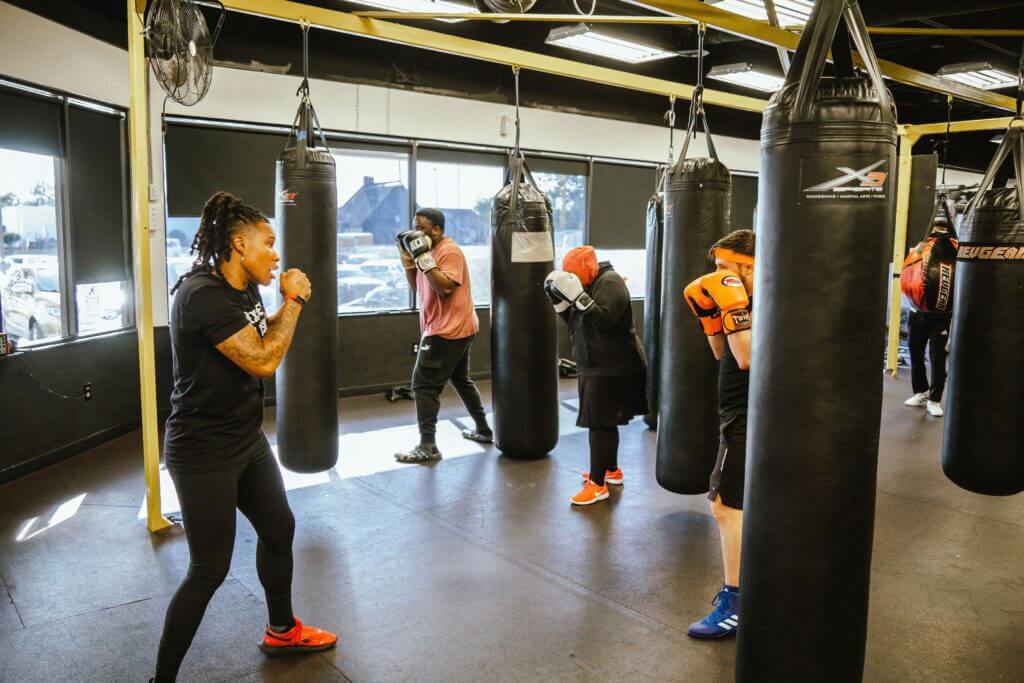
Boxing is an excellent stamina-building workout that offers a full-body cardiovascular exercise. At X3 Sports, our boxing classes cater to all fitness levels, from beginners to advanced athletes. The high-intensity nature of boxing keeps your heart rate elevated, boosting cardiovascular endurance and heart health. Each session includes exercises that target various muscle groups, ensuring a comprehensive workout that enhances strength, coordination, and agility.
Benefits of Boxing for Stamina Building
- Cardiovascular Health: Boxing workouts keep your heart rate up, improving cardiovascular endurance and heart health.
- Full-Body Workout: Boxing targets multiple muscle groups, providing a complete workout that builds strength and stamina.
- Stress Relief: Boxing is a great way to channel negative emotions and relieve stress, contributing to overall mental well-being.
2. Kickboxing
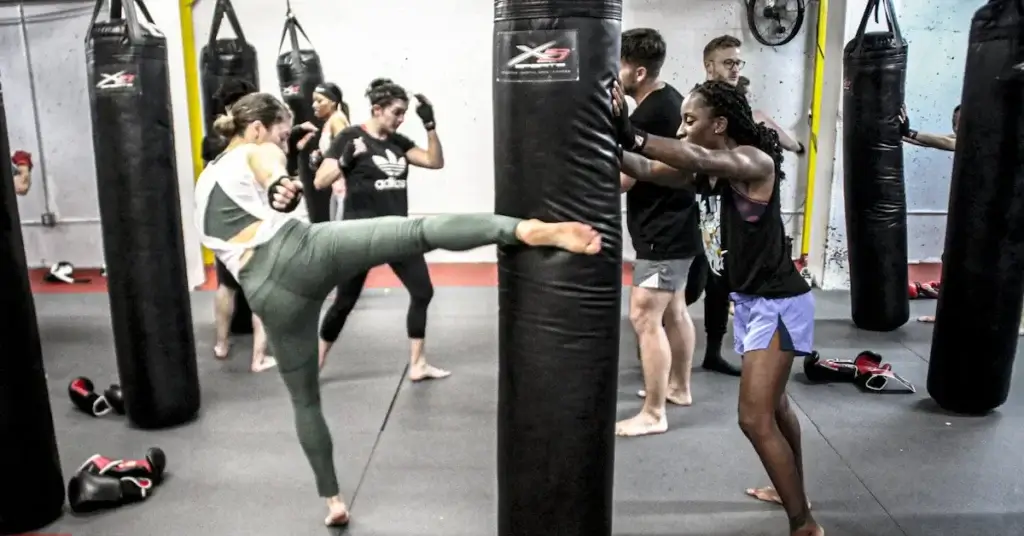
Kickboxing combines the power of martial arts with high-intensity interval training (HIIT), making it an effective stamina-building workout. Our kickboxing classes at X3 Sports are designed to be fast-paced and challenging, helping you burn calories and build endurance. The dynamic movements in kickboxing improve cardiovascular health, enhance muscle tone, and increase stamina.
Benefits of Kickboxing for Stamina Building
- Improved Cardiovascular Health: The rapid, powerful movements in kickboxing elevate your heart rate and enhance cardiovascular fitness.
- Increased Stamina: The combination of strength and cardio exercises in kickboxing builds both muscular and cardiovascular endurance.
- Enhanced Agility and Coordination: Kickboxing improves your agility, balance, and coordination, contributing to overall athletic performance.
3. Mixed Martial Arts (MMA)
Mixed Martial Arts (MMA) is a comprehensive workout that combines techniques from various martial arts disciplines, offering a challenging and effective stamina-building workout. Our MMA classes at X3 Sports include a mix of striking, grappling, and conditioning exercises, ensuring a full-body workout that improves cardiovascular health and endurance.
Benefits of MMA for Stamina Building
- Full-Body Conditioning: MMA workouts target multiple muscle groups, providing a complete and balanced workout.
- Cardiovascular Endurance: The intense nature of MMA training keeps your heart rate elevated, enhancing cardiovascular endurance.
- Strength and Flexibility: MMA improves both strength and flexibility, contributing to overall physical fitness and stamina.

4. Muay Thai
Muay Thai, also known as Thai boxing, is a high-energy workout that combines striking techniques with powerful kicks, knees, and elbows. Our Muay Thai classes at X3 Sports are designed to be intense and dynamic, helping you build stamina and improve cardiovascular health. The rigorous training in Muay Thai challenges both your body and mind, enhancing overall endurance.
Benefits of Muay Thai for Stamina Building
- Enhanced Cardiovascular Health: Muay Thai workouts elevate your heart rate and improve cardiovascular fitness.
- Increased Stamina: The combination of strikes and conditioning exercises in Muay Thai builds both aerobic and anaerobic endurance.
- Mental Discipline: Muay Thai training enhances focus and mental resilience, benefiting both physical and mental stamina.

5. Fast TrackSM (HIIT)
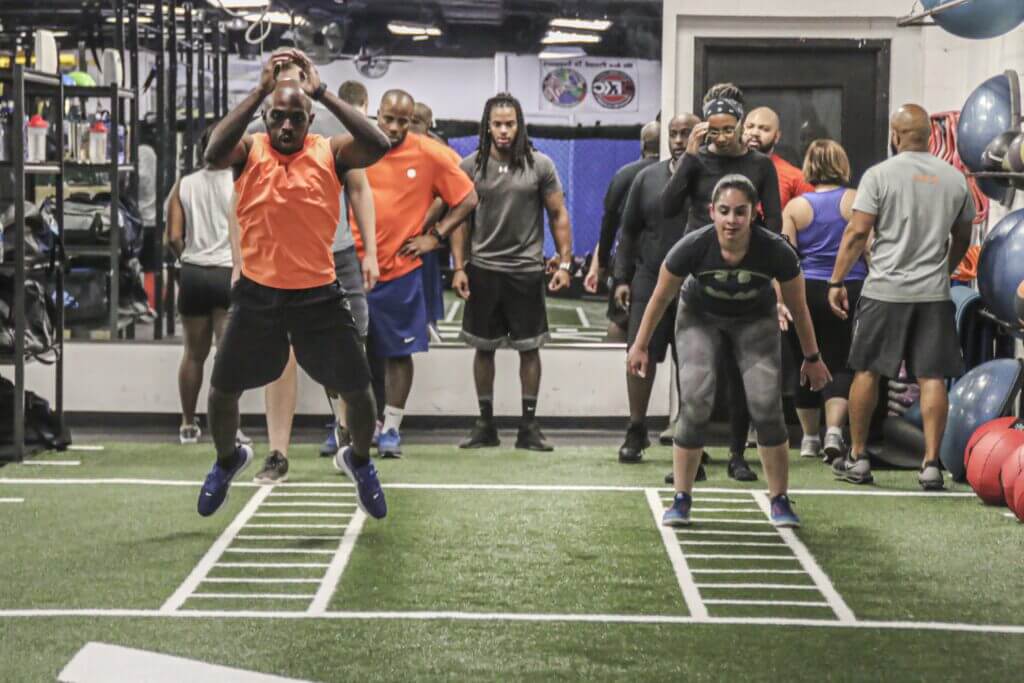
Fast TrackSM is our high-intensity interval training (HIIT) program at X3 Sports, designed to deliver maximum results in a short amount of time. These classes involve short bursts of intense exercise followed by brief rest periods, keeping your heart rate elevated and maximizing calorie burn. Fast Track is an efficient way to build stamina and improve cardiovascular health.
Benefits of Fast Track for Stamina Building
- Efficient Workouts: Fast Track provides a high-intensity workout in a short duration, making it perfect for busy schedules.
- Increased Endurance: The intense intervals in Fast Track improve both aerobic and anaerobic stamina.
- Fat Burning: Fast Track boosts metabolism and continues to burn calories even after the workout ends, aiding in weight management.
6. Brazilian Jiu-Jitsu (BJJ)
Brazilian Jiu-Jitsu (BJJ) is a martial art that focuses on ground fighting and submission techniques. Our BJJ classes at X3 Sports offer a unique way to build stamina while learning self-defense skills. The physical demands of BJJ, including grappling and sparring, provide an intense workout that enhances cardiovascular health and endurance.
Benefits of BJJ for Stamina Building
- Full-Body Workout: BJJ engages multiple muscle groups, providing a comprehensive workout that builds strength and stamina.
- Cardiovascular Fitness: The continuous movement and exertion in BJJ improve cardiovascular endurance.
- Mental Toughness: BJJ training enhances mental resilience and focus, contributing to overall stamina and endurance.

Fitness Equipment at X3 Sports
In addition to our wide range of classes, X3 Sports offers plenty of fitness equipment to help you with your stamina-building workouts outside of class. Our gyms are equipped with cardio machines, weight training equipment, and functional fitness tools to support your individual workout routines. Whether you prefer running on the treadmill, cycling, or engaging in strength training, our facilities provide the resources you need to enhance your stamina and cardiovascular health.
Utilizing Cardio Machines
Cardio machines, such as treadmills, ellipticals, and stationary bikes, are excellent for stamina-building workouts. These machines allow you to control the intensity and duration of your workouts, making it easier to track progress and stay motivated. Regular use of cardio machines can significantly improve cardiovascular health and endurance.
Strength Training for Stamina
Strength training is an important component of stamina-building workouts. By increasing muscle strength, you can improve overall endurance and perform cardio exercises more efficiently. Our gyms at X3 Sports are equipped with a variety of weights and resistance machines to help you build muscle and stamina.
Functional Fitness Tools
Functional fitness tools, such as kettlebells, medicine balls, and battle ropes, add variety to your stamina-building workouts. These tools engage multiple muscle groups and improve overall functional strength and endurance. Incorporating functional fitness exercises into your routine can enhance both cardiovascular health and muscular stamina.
What Are you Waiting For? Sign Up Now!
Building stamina is crucial for maintaining cardiovascular health and overall well-being. At X3 Sports, we offer a variety of stamina-building workouts designed to improve your endurance, boost your energy levels, and enhance your physical performance. Whether you prefer boxing, kickboxing, MMA, Muay Thai, Fast Track, or BJJ, our expert trainers are here to guide you every step of the way. Join us at X3 Sports and start your journey towards better cardiovascular health and enhanced stamina today!
Remember, consistency is key when it comes to building stamina. Incorporate these stamina-building workouts into your routine, stay committed, and enjoy the numerous health benefits that come with improved cardiovascular fitness. Book your free class at X3 Sports and take the first step towards a healthier, more active lifestyle!
By committing to a regular regimen of stamina-building workouts, you can ensure long-term cardiovascular health and overall wellness. At X3 Sports, we provide the resources, support, and expertise needed to help you reach your fitness goals. Our classes, fitness equipment, and community are all geared towards helping you build stamina and achieve peak physical condition. So, why wait? Embrace the journey to better health with X3 Sports and experience the transformative power of stamina-building workouts.
Having a Hard Time Staying Motivated to Workout? Try Group Fitness!

Are you having a hard time staying motivated to workout? You’re not alone. Many people struggle to find the motivation to hit the gym regularly. Whether it’s the monotony of solo workouts, lack of accountability, or just the plain old difficulty of getting started, staying motivated to workout can be challenging. But there’s a solution that might be just what you need: group fitness.
The Struggle of Staying Motivated to Workout
We’ve all been there. You set your alarm early, lay out your workout clothes, and promise yourself you’ll get that morning workout in. But when the alarm goes off, it’s just too easy to hit snooze and go back to sleep. Or maybe you make it to the gym but feel uninspired and unfocused, leading to a half-hearted workout. If this sounds familiar, it’s time to consider a change in your fitness routine to help you stay motivated to workout.
The Power of Group Fitness
Group fitness classes can be a game-changer when it comes to staying motivated to workout. These classes provide a structured environment, a sense of community, and a lot of fun, which can make all the difference in maintaining your fitness goals.
Community and Accountability
One of the biggest benefits of group fitness is the sense of community. When you’re part of a group, you have people who are on the same journey as you. This sense of belonging can be incredibly motivating. You’re not just working out for yourself; you’re working out with and for others. This communal support can help you stay motivated to workout even on days when you’d rather skip it. Knowing that your absence will be noticed by your group members can be the push you need to show up and give it your best effort.

Variety and Fun
Let’s face it: doing the same workout routine every day can get boring. Group fitness classes offer a variety of workouts that can keep things interesting. From kickboxing and Muay Thai to MMA and BJJ, there’s something for everyone. This variety not only keeps you engaged but also ensures you’re working different muscle groups, which is essential for overall fitness.
Staying motivated to workout is easier when you’re having fun. Classes are often set to upbeat music and led by enthusiastic instructors who make the workouts enjoyable. When you look forward to your workouts, you’re more likely to stick with them. Additionally, the energy in a group fitness class is often contagious, making even the toughest workouts seem more manageable and enjoyable.
Professional Guidance
In a group fitness class, you’re guided by professional instructors who ensure you’re doing exercises correctly and safely. This guidance can prevent injuries and make your workouts more effective. When you see results, it’s easier to stay motivated to workout. Plus, instructors often bring an infectious energy to the class that can lift your spirits and keep you engaged. They provide modifications for different fitness levels and can offer personalized tips even in a group setting.
Built-In Routine
Consistency is key when it comes to fitness. Group fitness classes are scheduled at specific times, which helps you build a routine. Knowing that you have a class at a certain time can make it easier to plan your day and ensure you fit your workout in. This structure can be incredibly beneficial for staying motivated to workout. Regular attendance can turn these classes into a habit, making it a natural part of your daily or weekly routine.
Friendly Competition
A little competition can be a great motivator. In a group setting, you may find yourself pushing a bit harder to keep up with the person next to you or to beat your own personal best. This friendly competition can inspire you to work harder and stay motivated to workout. Seeing others’ progress can motivate you to challenge yourself and achieve more than you thought possible.
Stress Relief and Mental Health Benefits
Group fitness classes are not just about physical health; they’re also great for mental well-being. The social interaction, combined with the physical exertion, can reduce stress and improve mood. Regular exercise releases endorphins, which are natural mood lifters. When you’re feeling good mentally, it’s easier to stay motivated to workout. Participating in group fitness can also help reduce feelings of loneliness and isolation, providing a supportive community that boosts your mental health.
Success Stories
Hearing about others’ success can be incredibly motivating. At X3 Sports, we have numerous success stories of members who have transformed their lives through group fitness. Maria, who trains at X3 Sports West Midtown, shared, “People are really beginner-friendly. They’re patient and encouraging here.” Similarly, Sofia, who attends classes at X3 Sports Inman Park, says, “It’s really welcoming. Even if I don’t want to come, I know I’m going to have fun.” These stories highlight how group fitness can help you stay motivated to workout and achieve your fitness goals. Each story reflects the supportive environment and the positive changes that come from being part of a fitness community.
Scientific Support for Group Fitness
The benefits of group fitness are not just anecdotal. Studies have shown that working out in a group can significantly improve adherence to exercise programs. According to a study published in the Sport Exercise Performance Psychology, people who engage in group fitness classes are more likely to continue exercising regularly compared to those who work out alone. The study found that the social support and accountability provided by group settings are key factors in helping individuals stay motivated to workout.
Moreover, a study from the National Library of Medicine found that medical students who participated in group fitness classes reported lower stress levels and higher quality of life than those who worked out solo. These findings underscore the mental health benefits of group fitness and its role in helping you stay motivated to workout.
X3 Sports Group Fitness Classes
There is a wide range of group fitness classes available at X3 Sports to suit different preferences and fitness levels. Whether you’re looking for high-intensity workouts or something more relaxing, there’s a class for you. Here are a few popular options:
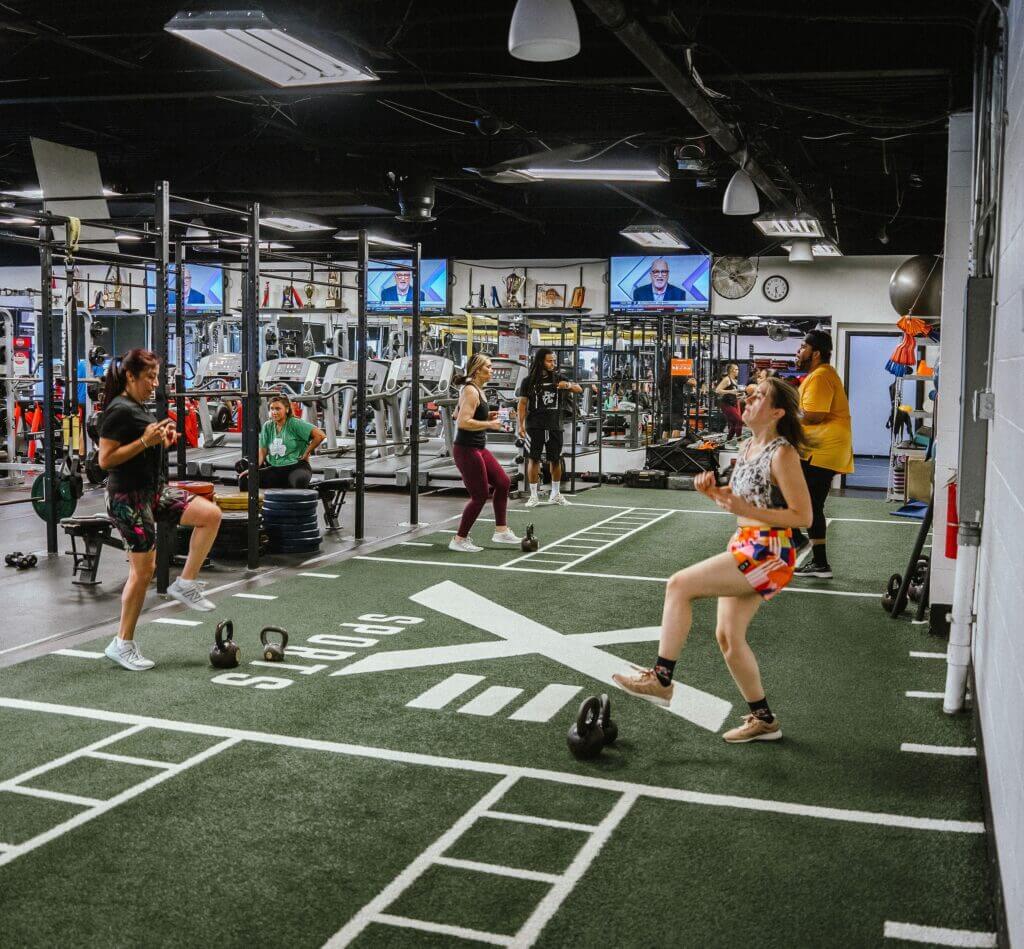
Kickboxing: A high-energy workout that combines martial arts techniques with fast-paced cardio. It’s great for burning calories and improving cardiovascular health while learning self-defense skills.
Brazilian Jiu-Jitsu (BJJ): A martial art that focuses on ground fighting and submission holds. It’s excellent for building strength, endurance, and learning effective self-defense techniques.
Muay Thai: Known as the “Art of Eight Limbs,” Muay Thai involves striking with fists, elbows, knees, and shins. It’s a great full-body workout that improves strength, agility, and coordination.
MMA: Mixed Martial Arts (MMA) combines techniques from various martial arts disciplines, offering a comprehensive and challenging workout that enhances overall fitness and self-defense skills.
Boxing: Boxing classes provide a rigorous cardiovascular workout, improving your endurance, strength, and coordination while teaching you valuable self-defense techniques.
Fast TrackSM: These high-intensity interval training (HIIT) classes are designed to maximize calorie burn and improve cardiovascular fitness in a short amount of time. Perfect for those with a busy schedule.
Power TrackSM: These weightlifting classes focus on strength training and muscle building through a variety of weightlifting and resistance exercises. Ideal for those looking to increase their muscle mass and overall strength.
Join Group Fitness and Stay Motivated to Workout
Ready to give group fitness a try? Join us at X3 Sports and experience the benefits firsthand. Our five convenient locations around metro Atlanta offer a wide range of classes that can help you achieve your fitness goals. Whether you prefer kickboxing, MMA, BJJ, or something else, you’ll find a supportive community and a fun, engaging environment that will keep you motivated.
Staying motivated to workout doesn’t have to be a struggle. With group fitness, you can enjoy the camaraderie, variety, and professional guidance that make exercise fun and engaging. If you’re ready to take your fitness to the next level, sign up for a class at X3 Sports today. Let’s punch our way to a healthier, happier you!
By integrating group fitness into your routine, you can transform your workout experience and find the motivation you’ve been looking for. Don’t wait – join the X3 Sports community and discover the power of group fitness to keep you motivated and on track with your fitness goals.
Tips From an MMA Gym For Preventing Exercise Injuries

Ever wondered how top athletes stay in peak condition without getting injured? The secret lies in preventing exercise injuries before they happen. At X3 Sports, our marital arts experts have seen it all and are here to share their best tips for staying safe while you push your limits. Read on to discover how you can enjoy a pain-free fitness journey and reach your goals.
Understanding Common Exercise Injuries
To really understand how to prevent exercise injuries, you should understand what causes them. Nothing is so unmotivating as enduring an injury, especially as a fitness beginner. So it’s important to understand what kind of actions might cause injury.
Doing Too Much Too Soon
Beginners often want quick results, pushing their bodies too hard, too fast. This can lead to muscle strains and ligament injuries. Getting into shape is a slow and steady game that requires patience, especially to avoid injury and burnout. Rushing into complex or strenuous exercises without allowing your muscles and ligaments time to adapt can cause significant injuries. Instead, follow a progressive training plan that gradually increases the intensity and complexity of the exercises in your routine.
Improper Form
Using incorrect techniques during exercises can cause various injuries. For instance, cyclists with poorly adjusted seats often suffer from knee pain. Similarly, incorrect lifting techniques can lead to back injuries. Always ensure your equipment is set up correctly and focus on maintaining proper form. Take advantage of the expertise available in your gym–ask trainers to check your form and provide feedback. This is especially important for exercises like squats, deadlifts, and other compound movements that require precise form to be effective and safe.
At X3 Sports, all new members receive a complimentary personal training session to help set them up for success. In addition, all members get access to Power Track℠ classes, a guided weight lifting class with certified trainer supervision. These classes are a great way for beginners to get comfortable lifting weights!
Overuse Injuries
Overtraining a certain muscle or exercise can cause overuse injuries. These injuries occur when you push your body beyond its ability to recover, leading to conditions like tendonitis and stress fractures. To avoid overuse injuries, it’s essential to balance your workouts with adequate rest and recovery. Mix up your routine with different kinds of exercise to prevent repetitive stress on the same muscle groups and joints. For example, if you lift weights 3 times a week, why not try a HIIT workout like Fast Track℠ to get in a different style of weight training.
Muscle Imbalance
Focusing too much on one muscle group can cause a strength imbalance, which can lead to injury. For instance, exclusively doing chest exercises while neglecting your back can create a strength imbalance that affects your posture and can lead to shoulder injuries. Mix up your routine to ensure balanced muscle development. Incorporate exercises that target different muscle groups and include both pushing and pulling movements. Functional training, which mimics everyday activities, can also help in maintaining balanced muscle development.
Insufficient Warm-Ups and Stretches
Never skip the warmup! Proper warm-ups prepare your body for exercise by increasing blood flow to the muscles, enhancing flexibility, and reducing stiffness. A good warm-up should include dynamic stretches that mimic the movements of your planned workout. For instance, if you’re about to do a leg workout, include leg swings, lunges, and high knees in your warm-up. After your workout, cooling down with static stretches helps to relax the muscles and reduce soreness.
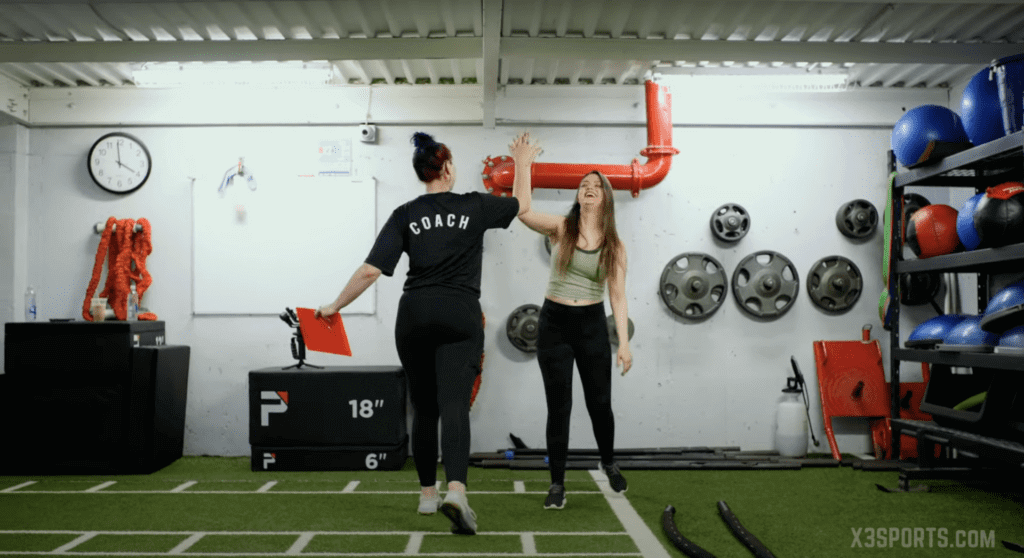
Essential Tips From MMA Experts for Preventing Exercise Injuries
Ok, now we’ve got a picture of what might cause exercise injuries, so let’s consider some more specific ways you can prevent them. In martial arts, every workout is intense, so we do everything we can to prevent injuries, and we’ve got some really helpful tips.
Do Dynamic Warm-Ups
Start your workouts with dynamic stretches tailored to your planned exercises. This prepares your muscles and joints for activity, reducing injury risk. Dynamic stretches are movements that take your muscles and joints through their full range of motion, such as arm circles, leg swings, and torso twists. These exercises increase your heart rate and blood flow, making your muscles more pliable and ready for the workout.
Leave Time for a Cool Down and Stretch
After exercising, take time to cool down and perform static stretches. Focus on stretching major muscle groups like quads, hamstrings, and your back. Static stretches involve holding a stretch for 15-30 seconds, allowing the muscles to lengthen and relax. This helps to reduce muscle tension, enhance flexibility, and prevent post-workout stiffness.
Take in Plenty of Fluids
Staying hydrated is vital for performance and injury prevention. Water supports fluid balance, lubricates joints, and helps your body function optimally. Dehydration can lead to muscle cramps, fatigue, and decreased coordination, increasing the risk of injury. Make sure to drink water before, during, and after your workouts. If you’re engaging in prolonged or intense exercise, consider sports drinks that replenish electrolytes.
Use Proper Form (We Cannot Emphasize Enough How Important Form Is)
Form is one of the most essential aspects of exercise. Not only does proper form prevent injuries, but it also helps you have a more productive and efficient workout. Have a trainer or experienced workout partner review your form. Recording yourself and reviewing the footage can also help you spot and correct mistakes. Incorrect form can place undue stress on your joints and muscles, leading to injuries over time.
Change it Up Regularly
Changing up your routine can involve trying new exercises, varying the intensity and duration of your workouts, and including different types of training like strength, cardio, flexibility, and balance exercises. This approach helps to evenly develop your muscles and improve overall fitness to avoid injury.
Group fitness classes are an easy way to add diversity to your workout. At X3 Sports you might do a powerlifting class one day and a cardio boxing class the next. The class format makes it easy to switch things up with minimal planning on your part.
Listen to Your Body’s Signals
If something feels off, don’t ignore it. It’s better to modify or simplify exercises than risk injury. Learning to differentiate between discomfort and pain is key. While it’s normal to feel some discomfort as your muscles work hard, sharp or persistent pain is a sign that something is wrong. Ignoring pain can lead to serious injuries that require long recovery times.
Along with that, don’t ignore pain. If you experience sharp pain, stop immediately and seek professional advice. Pain is your body’s way of signaling that something is wrong, and it’s important to address it promptly. If the pain persists even after rest, please consult a healthcare professional before continuing to work out.
The Role of Recovery and the Importance of Rest Days
Rest days are essential for recovery and injury prevention. They allow your muscles to repair and grow, preparing you for your next workout. Without adequate rest, your body cannot recover properly, leading to fatigue and increased injury risk. Plan regular rest days into your training schedule and listen to your body – if you feel overly tired or sore, it might be a sign that you need more rest.
A balanced diet supports recovery and overall performance. Ensure you’re fueling your body with the right nutrients to aid in muscle repair and energy replenishment. Protein is crucial for muscle repair and growth, while carbohydrates provide the energy needed for workouts. Healthy fats support overall health and recovery. Incorporating a variety of fruits, vegetables, lean proteins, whole grains, and healthy fats into your diet will provide the necessary nutrients for optimal performance and recovery.
Incorporate recovery techniques like foam rolling, massage, and stretching into your routine. These practices help reduce muscle tension and improve flexibility. Stretching, particularly after workouts, helps to maintain flexibility and reduce the risk of injury.
Benefits of Working With a Professional Certified Trainer
Experienced trainers provide valuable guidance, ensuring you use proper techniques and avoid injury. They can tailor workouts to your specific needs and fitness levels. Professional trainers can identify and correct form issues, design balanced workout programs, and provide motivation and support. This personalized approach helps to prevent injuries and maximize the effectiveness of your training.

Find Community Support and Accountability
Training in a supportive community fosters accountability and motivation. Whether you’re working with a personal trainer or regularly attending group fitness classes, you’re more likely to stick to a balanced routine and follow safety guidelines with the encouragement of others. Being part of a fitness community provides a sense of camaraderie and support, making your fitness journey more enjoyable and sustainable. Training with others can also push you to challenge yourself while making sure you’re following proper form.
Try a Free Workout Class
At X3 Sports, we are committed to helping you achieve your fitness goals safely and effectively.
Sign up for a free class at X3 Sports and experience the benefits of expert guidance, structured programs, and a supportive community. Your fitness experience should be empowering, enjoyable, and injury-free.
Avoid Injury and Hit PRs: Why Warm Up Before Exercise

Understanding the Importance of a Warm Up
Warming up before exercise is crucial for anyone looking to maximize their performance and avoid injuries. But what exactly is a warm up? It involves engaging in low-intensity physical activities that gradually increase your heart rate, breathing rate, and body temperature. This process prepares your body for the more intense physical exertion to come. Warming up helps increase flexibility and range of motion, ensuring that your muscles, tendons, and ligaments are ready to perform. Moreover, it enhances muscle performance and coordination, making your movements more efficient and reducing the risk of injury. Improved circulation and a gradual increase in heart rate ensure that your body is adequately prepared for exercise, while decreased muscle stiffness and soreness make the workout more comfortable and effective.
The Science Behind A Warm Up
The physiological changes that occur during a warm up are significant. As you start to move, your body temperature and blood flow increase, which helps deliver oxygen to your muscles. This is essential for energy production and sustained performance. The cardiovascular system gets activated, allowing your heart to pump blood more efficiently throughout your body. Additionally, the release of hormones like endorphins helps in energy production and reduces stress, setting a positive tone for your workout.
When you warm up, the oxygen in your bloodstream breaks down more effectively, allowing it to be delivered more efficiently to your working muscles. This process is crucial because your muscles need oxygen to produce the energy required for exercise. As your body temperature rises, it makes your muscles more pliable and less prone to injuries. Increased blood flow to the muscles delivers essential nutrients and removes metabolic waste products, which can help delay the onset of fatigue.
The warm up phase also engages your nervous system, improving nerve impulse transmission to the muscles, which enhances coordination and reaction times. This is particularly important for activities that require quick movements or precise coordination, such as martial arts or high-intensity interval training. By gradually increasing the intensity of your warm up, you allow your cardiovascular system to adapt to the increased demands, reducing the likelihood of experiencing cardiovascular stress during the main workout.
Mental preparation is another crucial aspect of warming up. It helps you focus, reduces pre-workout anxiety, and gets you in the right mindset to tackle your exercise session. This psychological readiness can enhance your performance by increasing your motivation and concentration, which are vital for achieving personal records and pushing your limits.
Effective Warm Up Techniques
An effective warm up routine typically includes dynamic stretching, cardiovascular exercises, and muscle activation. Dynamic stretching involves active movements that mimic the exercises you’re about to perform, such as walking lunges, arm circles, and leg swings. These movements help increase blood flow to your muscles, making them more flexible and ready for action. Unlike static stretching, which involves holding a stretch for a period of time, dynamic stretching keeps your body moving, which better prepares your muscles for the dynamic nature of most workouts.
Cardiovascular warm ups, like jogging, skipping, or jumping jacks, gradually raise your heart rate and get your blood pumping. This prepares your cardiovascular system for the increased demands of your workout. Engaging in these activities for about 5 to 10 minutes helps to ensure that your heart and lungs are ready to support your physical exertion. It’s essential to start at a low intensity and gradually increase it to avoid placing sudden stress on your heart.
Muscle activation exercises, such as glute bridges, planks, and bodyweight squats, target specific muscles that you will be using, ensuring they are properly engaged and reducing the risk of injury. These exercises are particularly important for strength training or activities that involve specific muscle groups. Activating your muscles helps improve neuromuscular efficiency, which means your muscles can contract more effectively during your workout.
Incorporating a variety of warm up techniques can ensure that all aspects of your body are prepared for exercise. For example, you might start with some light cardio to increase your heart rate, followed by dynamic stretches to improve flexibility, and finish with muscle activation exercises to engage the muscles you’ll be using most. Tailoring your warm up to the specific demands of your workout can enhance its effectiveness and help you achieve better results.
Common Warm Up Mistakes to Avoid
Despite the clear benefits, many people either skip the warm up or do it inadequately. Jumping straight into intense exercise without warming up can significantly increase the risk of injury. Without a proper warm up, your muscles are less flexible, your heart rate isn’t elevated, and your body isn’t prepared for the demands of exercise. This can lead to muscle strains, joint injuries, and other physical problems that could sideline your fitness goals.
An insufficient warm up that doesn’t match the intensity of your workout can also be ineffective. It’s essential to spend enough time and effort warming up to ensure your body is fully prepared. A common mistake is rushing through the warm up or treating it as an afterthought. Your warm up should be specific to the activity you’re about to perform and gradually increase in intensity. For instance, if you’re planning a high-intensity workout, your warm up should also include higher-intensity elements to prepare your body adequately.
Another common mistake is incorporating static stretching before exercise. While stretching is important, it should be saved for after the workout. Static stretching can reduce muscle strength and power if done before exercise, as it can cause temporary muscle fatigue. Instead, dynamic stretching is more effective at preparing your body for the physical demands of exercise. Static stretching can be beneficial after your workout when your muscles are warm and more pliable, helping to improve flexibility and aid recovery.
Many people also neglect the importance of mental preparation during the warm up. Taking the time to focus on your upcoming workout, visualize your goals, and mentally prepare can significantly enhance your performance. This mental readiness can help you stay motivated and concentrated, reducing the risk of errors or distractions that could lead to injury.
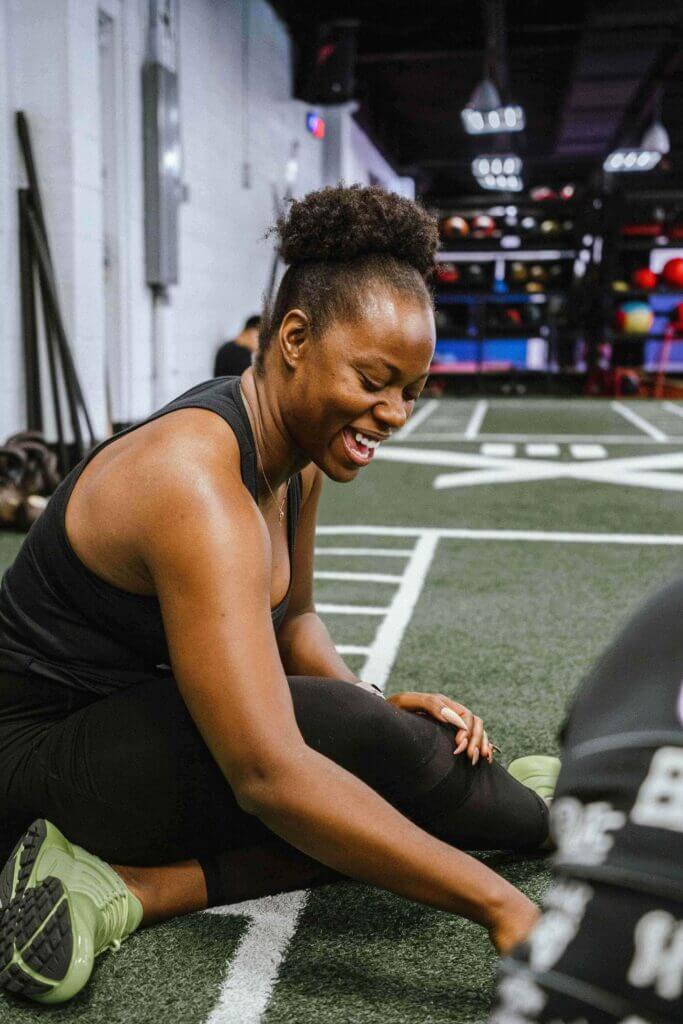
Incorporating Warm Up into Your Routine
Integrating a warm up routine into your workout regimen is essential for safe and effective exercise. Tailoring your warm up to the specific type of exercise you plan to do can enhance its effectiveness. For example, a warm up for a cardio session might include light jogging, while a strength training warm up might focus more on dynamic stretches and muscle activation. Each type of exercise places different demands on your body, so your warm up should reflect those demands to prepare you adequately.
Listening to your body and adjusting your warm up based on your personal needs and fitness level is crucial. If you’re unsure about the best warm up routine for your specific workout, seeking expert advice can be beneficial. Trainers at X3 Sports can provide personalized warm up routines tailored to the various classes offered. Whether you’re participating in Power Trac, Fast Track, kickboxing, or any of our other classes, a trainer can help you develop a warm up that prepares your body for the specific movements and intensity levels of each discipline.
Incorporating a warm up into your routine also involves understanding the importance of consistency. Making warming up a regular part of your exercise habit ensures that your body is always prepared, reducing the risk of injury and improving performance over time. It’s not just about warming up occasionally; it’s about making it an integral part of your fitness routine. Consistency in warming up helps your body adapt to the preparation phase, making it more effective and efficient over time.
It’s also helpful to vary your warm up exercises to keep them engaging and effective. This variety can prevent your routine from becoming monotonous and ensure that all muscle groups are adequately prepared. For instance, you might incorporate different dynamic stretches, cardio exercises, and muscle activation techniques each week. This variation keeps your warm up routine fresh and helps target different aspects of your fitness, contributing to overall improvement.
Additional Tips for Safe and Effective Workouts
In addition to warming up, cooling down after exercise is equally important. A proper cool-down routine helps your muscles relax and reduces the risk of injury. Staying hydrated is essential for maintaining energy levels and preventing dehydration during your workout. Wearing proper equipment, such as suitable footwear and attire, is crucial for injury prevention and ensuring comfort. Setting realistic goals and progressing gradually can help avoid overtraining and ensure long-term success in your fitness journey.
Ready to Maximize Your Workouts?
Understanding the importance of warming up and incorporating it into your exercise routine can significantly enhance your performance and reduce the risk of injury. At X3 Sports, we emphasize the importance of proper warm up routines to help you get the most out of your workouts. Join a class at one of our five locations—West Midtown, Inman Park, Marietta, North Marietta, and Athens—and experience the benefits firsthand. Sign up for a free class today and take the first step toward a safer and more effective fitness journey.
10 POST WORKOUT RECOVERY TIPS FOR NON-ATHLETES | 10 EXERCISE MOTIVATION TIPS TO HELP YOU REACH YOUR FITNESS GOALS | SOLO GYM TRAINING VS. GROUP FITNESS BENEFITS: HOW TO CHOOSE
10 Post Workout Recovery Tips for Non-Athletes

Ever wonder why some people seem to bounce back after a tough workout while others struggle to even get off the couch the next day? The secret to bouncing back lies in their recovery routine.
Whether you’re a regular warrior or just getting started on your fitness journey, mastering the art of post workout recovery can make all the difference. Here are ten tips to help you recover like a pro, even if you’re not one.
Why Post Workout Recovery is Important
After an intense workout, it’s tempting to skip recovery and move on with your day. But trust us, proper post workout recovery is key for getting the most out of your fitness efforts and avoiding injuries.
Recovery is when your muscles repair and grow stronger than they were before after being exhausted during a workout. Muscle soreness and fatigue after a workout are natural, but good recovery can minimize the effects. Scientific research shows that post exercise recovery is critical for muscle protein synthesis, glycogen restoration, and overall metabolic health.
No matter your goals, whether hypertrophy or fitness, mastering recovery will help you reach them even faster and make the journey more enjoyable.
Tip 1: Drink Lots of Fluids
Staying hydrated is a no-brainer for overall health and recovery. Water helps transport nutrients and flush out toxins. According to studies, even mild dehydration can impair exercise performance and recovery by increasing heart rate, reducing endurance, and affecting cognitive function.
Aim to drink at least 125 ounces of water for males or 91 ounces of water for females a day, and after intense workouts, consider drinks with electrolytes to keep your body balanced and ready for the next round. Electrolytes, such as sodium and potassium, are vital for maintaining fluid balance and muscle function.
Tip 2: Pay Attention to Your Nutrition
Your body needs the right fuel to recover properly. Focus on a mix of proteins, carbs, and fats to help with muscle repair and energy replenishment. Research indicates that consuming protein and carbohydrates within 30 minutes of finishing exercise can enhance muscle glycogen storage and muscle protein synthesis. Try meals like grilled chicken with quinoa and veggies for a great mix of protein, carbs, and fiber, or whip up a smoothie with protein powder, banana, and spinach for a quick, nutrient-packed option.
Tip 3: Get Good Sleep Every Night
Sleep is when your body does most of its repair work, so it’s crucial for recovery. Skimping on sleep can mess up your recovery process and impact your overall performance. Studies have shown that poor sleep quality can hinder muscle recovery, increase inflammation, and reduce exercise performance.
To get quality sleep optimized for recovery, try setting a bedtime routine by going to bed and waking up at the same time every day. Make your bedroom a sleep-friendly zone—dark, quiet, and cool to get the best rest.
Tip 4: Stretch and Cool Down to Reduce Stiffness
Stretching after a workout helps improve flexibility and reduces muscle tension, which speeds up recovery. Effective cool-down routines might include light jogging to gradually lower your heart rate and static stretching that focuses on all the major muscle groups you worked out. Research supports that cooling down and stretching can reduce muscle stiffness and enhance flexibility, which can prevent injuries and aid in quicker recovery. Adding these practices can seriously boost your post workout recovery.
Tip 5: Use a Foam Roller to Improve Blood Flow to Sore Muscles
Foam rolling is a great way to release muscle tightness and improve blood flow, which aids in recovery. Studies suggest that foam rolling can reduce delayed onset muscle soreness (DOMS) and improve range of motion. To use a foam roller properly, roll slowly and focus on any tender spots in your muscles. We know it can be uncomfortable on sore muscles, but if you make foam rolling a regular part of your recovery routine, you’ll reduce that muscle soreness.
Tip 6: Take Rest Days
It’s tempting to work out every day when you want to reach your goals. While some professionals and experienced fitness enthusiasts have worked up to this, for most people, rest days are essential because they give your body time to repair and strengthen.
Listen to your body when planning rest days—schedule them based on how intense your workouts are. Studies emphasize the importance of rest days for preventing overtraining syndrome, which can lead to decreased performance and increased risk of injury. On rest days, you can stay active with light activities like walking or stretching (aka active recovery), which can help with overall recovery.
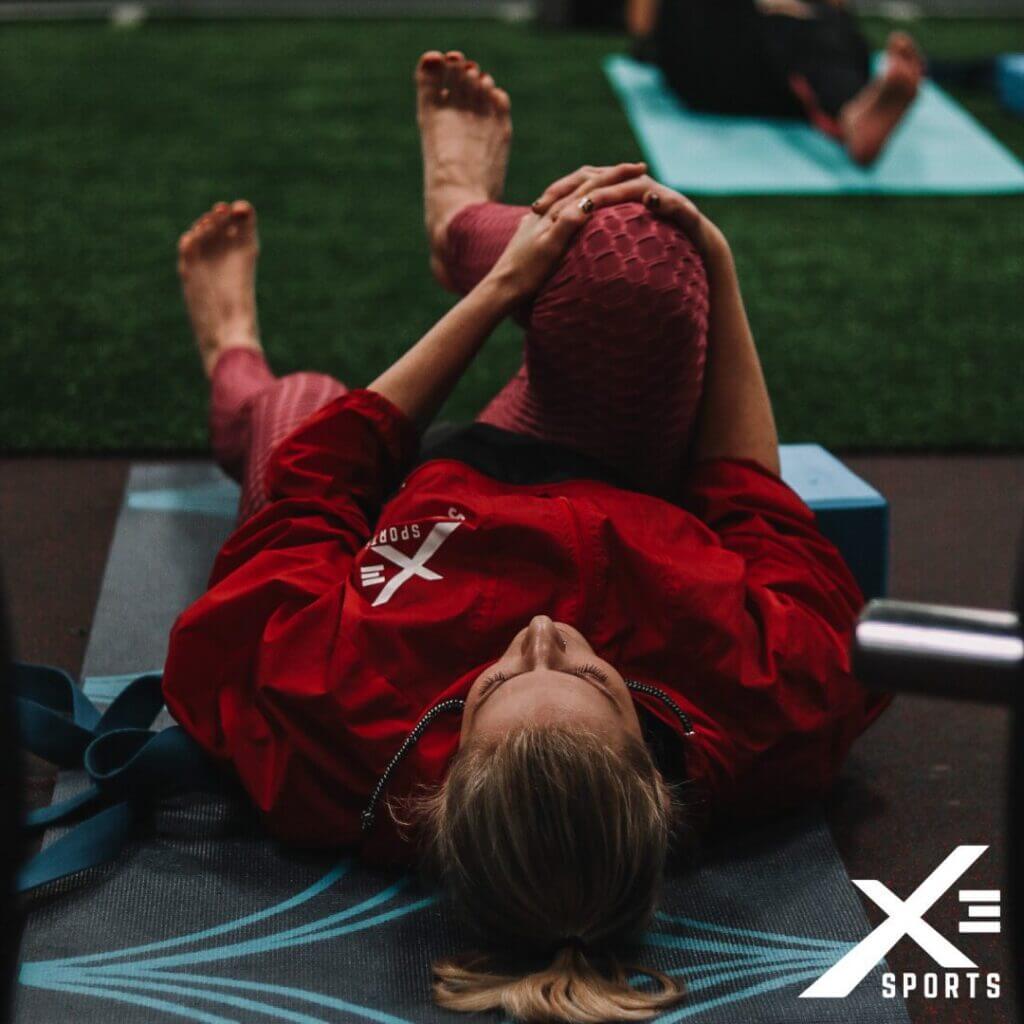
Tip 7: Never Stop Moving (Just Kidding, Have Active Recovery Days)
It’s easy to want to do nothing on your rest days, but active recovery days help keep blood flowing to sore muscles to speed up recovery. Active recovery means doing low-intensity exercise that keeps your body moving without adding stress on your off days. Activities like walking are easy on the joints and promote circulation, while yoga helps with flexibility and relaxation. Research shows that active recovery can help reduce lactic acid buildup and improve blood flow to muscles, which aids in recovery. Adding active recovery days into your routine helps keep you moving and aids muscle recovery without overloading your body.
Tip 8: Consider Massage Therapy
Massage therapy can seriously reduce muscle soreness and improve circulation, speeding up recovery. Research supports that massage can reduce inflammation, improve muscle function, and enhance the recovery process. Different types of massage, like deep tissue massage, which targets deeper muscle layers, and Swedish massage, which focuses on relaxation and surface muscle relief, can be really effective in enhancing your post workout recovery.
Tip 9: Avoid Alcohol and Tobacco
Staying away from alcohol and tobacco is one way to reach optimal recovery. Alcohol can dehydrate your body and mess with muscle recovery, while tobacco affects your lung capacity and overall fitness levels, slowing down your recovery process. Studies show that alcohol consumption can impair muscle protein synthesis and recovery, while tobacco use is linked to reduced cardiovascular fitness and delayed healing. Avoiding these substances helps your body recover more efficiently after workouts.
Tip 10: Listen to Your Heart (Body)
Listening to your body is probably the most important workout recovery tip we have. Signs of overtraining include constant fatigue and decreased performance, which means your body needs more rest. Research indicates that monitoring your body’s signals, like changes in mood and performance, can help prevent overtraining and ensure effective recovery. Adjust your routine based on how you feel—reduce workout intensity if you’re feeling overly tired, and don’t hesitate to take extra rest days if needed.
How Long Should Recovery Take, Really?
Recovery time depends on several factors, like how intense your workout was and your individual fitness level. Higher intensity workouts usually need longer recovery periods, and beginners might need more recovery time compared to seasoned athletes. Studies suggest that light workouts might need 24-48 hours of recovery, while intense sessions could require 48-72 hours to fully recover.
Ensuring you get enough recovery time is crucial for muscle repair and overall performance enhancement. If you’re just beginning your fitness journey, we suggest working out 3 times a week to get in a routine and allow for enough recovery time.
Easily Plan a Workout Routine at X3!
Proper post-workout recovery is crucial for non-professional athletes to stay fit and avoid injuries. By following these ten tips, you can enhance your recovery process and get the most out of your workouts. Remember, consistency is key, and listening to your body will always guide you in the right direction.
At X3, we offer all kinds of fitness workout classes, including yoga, making it easy to plan your workouts and active recovery days to meet your schedule and goals. Sign up for a free class below!
10 Exercise Motivation Tips to Help You Reach Your Fitness Goals

Staying motivated to exercise can be a challenge, especially for beginners and even seasoned fitness enthusiasts. Whether you’re a dedicated X3 member or just starting your fitness journey, finding the drive to keep moving is crucial for reaching your goals. In this blog, we’ll explore ten practical exercise motivation tips to help you stay motivated and enjoy the process of getting fit.
Our Top 10 Exercise Motivation Tips:
1. Reframe Your Mindset
One of the best ways to stay motivated is to change how you think about exercise. Our first exercise motivation tip is to instead of viewing it as a chore or an item on your to-do list, think of it as a fun break in your day. Consider it “recess” rather than a workout.
Finding joy in the activity itself can make a huge difference. Additionally, try exploring different types of workouts until you find one that excites you. Whether it’s dancing, hiking, swimming, or playing a sport, the key is to find something that makes you look forward to being active.
2. Make It Social
Exercising with others can significantly boost your motivation. Joining group classes or finding a workout buddy can create a sense of accountability and support. When you have someone counting on you, it’s harder to skip workouts. Plus, sharing the experience makes it more enjoyable.
Community and social connections are powerful motivators, and they can transform your fitness journey into a shared adventure. Consider joining local fitness groups, online communities, or even participating in fitness challenges with friends. The camaraderie and shared goals can keep you inspired and committed to your fitness routine.
3. Set Realistic Goals
Setting goals is a powerful tool for motivation. Use the SMART criteria (Specific, Measurable, Achievable, Realistic, and Time-bound) to create goals that are clear and attainable. Additionally, try the WOOP method, which stands for Wish, Outcome, Obstacle, Plan. Start with your big wish, visualize the outcome, identify potential obstacles, and develop a plan to overcome them.
Setting both short-term and long-term goals helps you stay focused and motivated by providing clear milestones to work towards. Remember to celebrate your progress along the way, no matter how small. Each step forward is a victory that brings you closer to your ultimate goal.
4. Reward Yourself
Incentives can be a great way to keep yourself motivated. Pair your workouts with rewards, like listening to your favorite audiobook or podcast. Initially, extrinsic rewards can help build the habit of exercising regularly. Over time, try to shift your focus towards intrinsic rewards, such as the satisfaction of completing a challenging workout or the positive feelings that come from being active.
Balancing both types of rewards can sustain your motivation in the long run. You might also consider creating a reward system where you treat yourself to something special after reaching certain milestones, like a new workout outfit or a relaxing massage.
5. Stay Flexible
Life is unpredictable, our fifth exercise motivation tip is flexibility. Sticking to a rigid workout schedule isn’t always feasible. Flexibility in your exercise routine can help you stay on track even when plans change. If you miss a planned workout, don’t stress—just adapt and find another time to fit it in.
The key is consistency, not perfection. By allowing yourself some leeway, you can maintain a positive attitude towards exercise and avoid feeling discouraged by occasional setbacks. Try to have a few alternative workouts in mind that you can do at home or in a short amount of time, so you’re always prepared to stay active no matter what life throws your way.
6. Create a Positive Environment
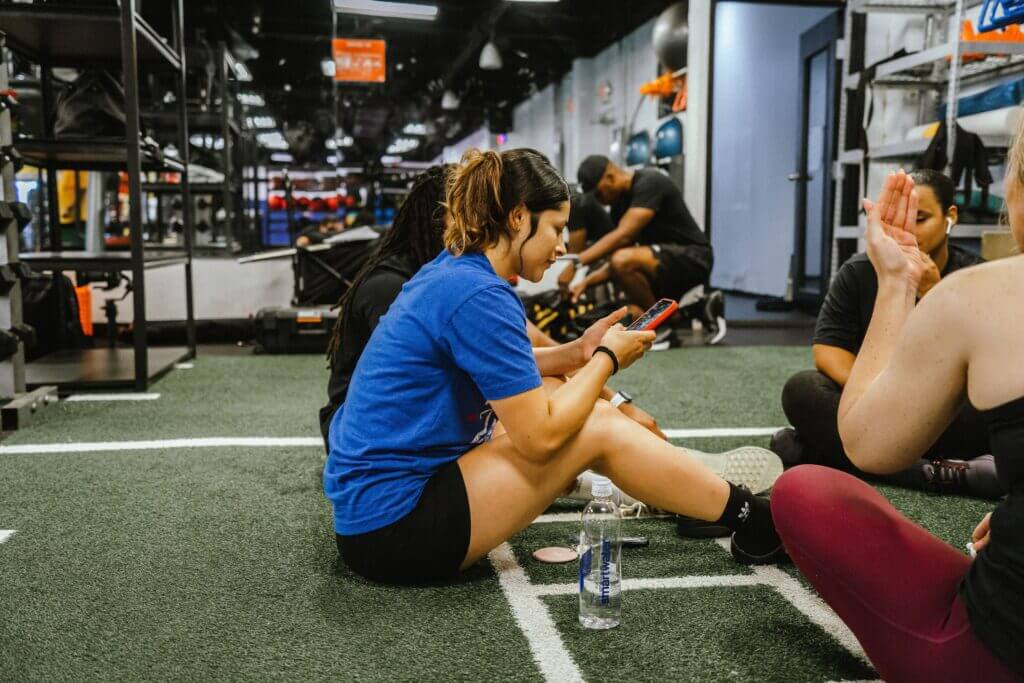
Your surroundings can significantly impact your motivation to exercise. Most exercise motivation tips will tell you to create a space that is inviting and conducive to physical activity. Whether it’s a home gym setup with an exercise mat and fitness app or a favorite park for running, make sure your environment encourages you to move.
Preparing the night before—laying out your workout clothes, setting up your equipment, and planning your workout playlist—can make it easier to get started and stay committed. Surround yourself with motivational quotes, pictures, or anything else that inspires you to stay active. The more inviting and exciting your workout space, the more likely you are to use it regularly.
7. Focus on the Benefits
Remind yourself regularly of the positive effects exercise has on your mood and energy levels. Often, the hardest part is getting started, but once you begin, you’ll likely feel better. Exercise can be a powerful antidote to stress and fatigue. Stay mindful during your workouts and appreciate how they make you feel.
This awareness can create a positive feedback loop, reinforcing your motivation to keep going. Keep a journal to track how you feel before and after each workout. Over time, you’ll likely see patterns that show just how beneficial regular exercise is to your overall well-being, providing further motivation to keep moving.
8. Use Music and Entertainment
Music is a powerful motivational tool that can elevate your workout experience. Create an energetic playlist that gets you excited to move. Many workout apps and classes incorporate music to keep you motivated throughout the session.
Find what genres or songs resonate with you and use them to push through tough moments. Let the rhythm drive you and keep you energized. Additionally, consider watching a favorite TV show or movie while on the treadmill or stationary bike. The distraction can make time fly by and turn your workout into an enjoyable part of your day.
9. Practice Self-Compassion
It’s important to be kind to yourself, especially when you miss a workout or fall short of your goals. Recognize that everyone has off days and that it’s okay to skip a day if needed. Practicing self-compassion instead of negative self-talk can help you stay motivated in the long run. If you miss a session, don’t dwell on it—just get back on track as soon as you can.
Remember, consistency is more important than perfection. Forgive yourself for any slip-ups and focus on the positive steps you can take moving forward. Cultivating a positive and forgiving mindset can make your fitness journey more enjoyable and sustainable.
10. Celebrate Progress
This exercise motivation tip involves acknowledging and celebrating your progress can significantly boost your motivation. Keep track of your achievements, whether it’s in a workout journal or through an app. Celebrate small victories and milestones, like completing a new exercise or hitting a personal best. Regular reflection on your progress helps maintain your enthusiasm and reminds you of how far you’ve come. Celebrate your journey and let your accomplishments fuel your future workouts.
Share your progress with friends or on social media to receive encouragement and support from others. Recognizing and celebrating your successes, no matter how small, can keep you motivated and excited about your fitness journey.
Staying motivated to exercise is a continuous process that requires effort and creativity which is why knowing exercise motivation tips can be very helpful. By reframing your mindset, making workouts social, setting realistic goals, rewarding yourself, staying flexible, creating a positive environment, focusing on the benefits, using music, practicing self-compassion, and celebrating progress, you can find the drive to keep moving. Remember, motivation fluctuates, and that’s perfectly normal.
Find what works best for you and enjoy the journey towards your fitness goals. Share your own motivation tips with the X3 community and let’s support each other in achieving our fitness aspirations.
Additional Resources:
For more tips and tools to stay motivated, explore fitness apps, join community events, and take advantage of the benefits of your all-inclusive X3 membership or one-on-one personal training. Happy exercising!
SOLO GYM TRAINING VS. GROUP FITNESS BENEFITS: HOW TO CHOOSE | 5 FUNCTIONAL TRAINING BENEFITS YOU MIGHT NOT HAVE REALIZED
Solo Gym Training vs. Group Fitness Benefits: How to Choose

Choosing the right workout environment can make all the difference in your fitness journey. Are you torn between the solitude of solo gym training and the vibrant atmosphere of group fitness classes? Let’s weigh the pros and cons of each option to help you decide which is right for you.
Pros and Cons of Solo Gym Training
Most gyms offer all the equipment and space you need to complete a gym training session by yourself. This is probably the most common choice because it’s easily accessible and flexible.
Flexibility and Personalization
One of the best benefits of solo gym training is the flexibility it offers. You can create a workout routine tailored to your specific fitness goals and preferences. Whether you want to focus on strength training, cardio, or a mix of both, the choice is entirely yours. Additionally, solo training allows you to work out whenever it fits your schedule, making it ideal for those with unpredictable routines. Many large chain gyms are open 24 hours a day, which makes it a great option for people who work alternative hours.
Focus and Pace
Working out alone means you can set your own pace and focus on what you want to focus on. You won’t feel pressured to keep up with others or slow down to match a group. This allows you to concentrate fully on your exercises, ensuring you maintain proper form and maximize the effectiveness of your workouts. With fewer distractions, you can stay focused on your fitness goals.
Privacy and Comfort
For those who prefer a more private setting, solo gym training is the way to go. You can exercise in familiar surroundings, using equipment you know and trust. This level of comfort can be particularly appealing if you’re new to working out or feel self-conscious in group settings.
Potential Cons of Solo Training
Like any kind of exercise, solo gym training does come with its challenges. One of the main drawbacks is that you have to come up with your own workout routine, which can be daunting if you’re not well-versed in fitness planning. Maintaining motivation by yourself can be tough, especially if you don’t have a workout partner; it’s easy to skip workouts or not push yourself as hard without the accountability that comes from a group setting. While solo training, you won’t receive feedback from an instructor, which means you might not be aware of incorrect form or technique, potentially leading to less effective workouts or even injury.
Of course, with time, training, and self-education these challenges can certainly be overcome. But they are something to consider, especially if you’re a fitness beginner.
Exploring Group Fitness Benefits
Group fitness offers many unique benefits, for both fitness beginners and experienced individuals. Group fitness more closely mirrors the experience of being on a sport’s team or school fitness program, which is very appealing for people who experienced that style of training in the past or who want to experience it as an adult.
Community and Camaraderie
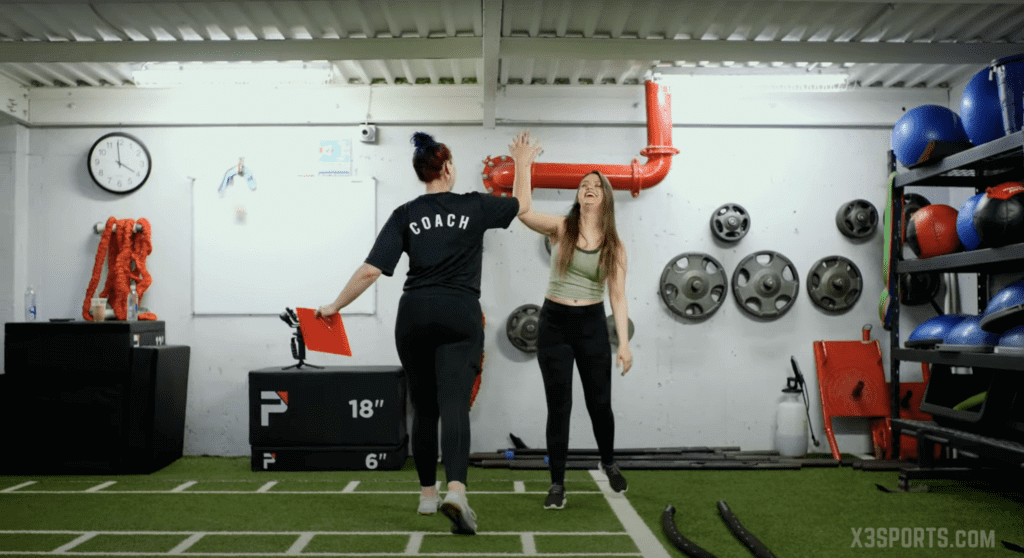
One of the standout benefits of group fitness classes is the sense of community they foster. Working out with others creates a supportive and motivational environment. You’ll build connections and friendships with fellow participants, making your fitness journey more enjoyable and less lonely. Group fitness classes are a great way to make new friends.
Variety and Structure
Group fitness classes offer a wide variety of workouts, from Kickboxing and Yoga to MMA and Boxing. Each class is led by professional trainers who provide structured routines, ensuring you get a well-rounded workout every time. This variety keeps your fitness regimen exciting and prevents workout boredom. The class structure means you don’t have to put much more thought into planning your workout other than choosing which class you want to attend.
Accountability and Motivation
In group fitness classes, your presence matters. Knowing that others are expecting you to show up gives you a sense of accountability to more than yourself. The collective energy of the group can be incredibly motivating, pushing you to work harder and stay committed to your fitness goals.
Expert Guidance
Group fitness classes come with the advantage of expert coaching. Certified trainers lead each session, offering invaluable guidance on technique and form. This ensures that you perform exercises safely and effectively, minimizing the risk of injury. This professional instruction is invaluable to people new to fitness, helping them to build good habits and techniques now.
Mental Health Benefits of Group Fitness
Group fitness classes offer more than just physical benefits. They create a sense of belonging and extend social support beyond the gym. The friendships and connections you form can enhance your overall well-being and keep you motivated in the long run. Regular exercise and quality social interactions are the secret sauce to boosting your mental health.
Potential Cons of Group Fitness
Like solo gym training, group fitness classes also have some potential downsides. The class schedule might not always align with your personal availability, making it harder to fit workouts into your routine. Additionally, group classes may not cater to very specific fitness goals, as they are designed to accommodate a broad range of participants instead of individuals. Lastly, you have to work at the pace of the group, which might not always match your ideal workout intensity. This can be challenging if you need more time to master certain exercises or if you prefer a different pace.
That’s not to say group fitness and solo gym training can’t work in tandem within your workout routine. Finding a gym that offers both fitness classes and an open gym could be the solution for you.
Choosing What’s Right for You
When deciding between solo training and group fitness, consider your personal fitness goals. Are you aiming for specific strength gains, or do you seek a balanced workout with a social aspect? Understanding your objectives will help you choose the right environment.
Considering Your Personality and Preferences
Your personality plays a crucial role in this decision. If you thrive in social settings and enjoy working out with others, group fitness might be the perfect fit. On the other hand, if you prefer solitude and a personalized approach, solo gym training could be more suitable. Reflect on what motivates you and how you feel most comfortable exercising.
Why Not Try Both?
Both solo gym training and group fitness classes have their unique advantages. By understanding your fitness goals and personal preferences, you can make an informed decision that enhances your workout experience. Why not try both and see what works best for you?
At X3 Sports, we offer a wide range of group fitness classes designed to meet all your fitness needs and an open gym for your solo training sessions. Take a tour of our facilities to see all we have to offer!
Experience the transformative power of working out together. Sign up for a free class today and take the first step towards a more exciting and fulfilling fitness journey.
5 Functional Training Benefits You Might Not Have Realized

Training for aesthetics is fun, but training for functionality changes lives. Functional training benefits go beyond looks or even the gym, helping you manage whatever life throws at you, whether that’s keeping up with your kids, a physically demanding job, or just the side effects of aging. Learn more about how functional training might be the training method for you.
What is Functional Training?
Functional training is all about making your body better at handling everyday life. Think exercises that mimic real-life movements, so you’re not just building muscle, you’re getting better at life. Unlike your typical gym routine that targets one muscle group at a time, functional training gets multiple muscles working together to perform real life tasks.
How Functional Training Differs from Traditional Workouts
Traditional workouts are great for building strength and increasing the size of your muscles or losing weight, but they often focus on isolated muscle groups at a time. Functional training, on the other hand, is all about compound moves and making your body work better as a whole. You’ll be improving your balance, coordination, strength, and endurance all at once. And you might notice some visible differences in yourself as well.
Benefit #1: Improved Daily Activities
One of the coolest functional training benefits is how it makes everyday tasks easier. Whether you’re lugging groceries, chasing after your kids, or just trying to get up off the couch, functional training helps you do it all more efficiently because you’ve trained and build stamina for the muscles and joints you use the most in your day-to-day life to handle heavier loads for extended periods.
Real-life Examples of Functional Strength
Picture yourself lifting a heavy box without straining your back or balancing on one leg to tie your shoe without toppling over. But functional training isn’t just about completing every day tasks. It’s also for your safety. Being able to stand up from any position, catch yourself when you trip, and jump are essential skills, not to be taken for granted, as you experience the aging process. Functional training preps your body for these real-life situations by making the muscles you use daily stronger and more coordinated.
Benefit #2: Better Balance and Coordination
Functional training really focuses in on core stability, but not just growing the muscles through situps and crunches. Functional training focuses on those small stabalizing muscles of your core, which is key for good balance and coordination, which means you’re less likely to take a tumble and more likely to move smoothly and confidently. It also improves your posture and makes you stand up taller and straighter. A strong core supports your back in more ways than one, and is especially important in preventing back injuries.
Core Exercises That Boost Balance
Unilateral workouts like single-leg deadlifts and squats, stability ball exercises, and rotational movements are functional training staples. These exercises challenge your balance and coordination, making you more agile and stable in everything you do on one or two legs.
Benefit #3: Injury Prevention
Functional training is also great for keeping injuries at bay. By focusing on movements that enhance joint stability and muscle resilience, you’re building a body that’s tougher and less prone to getting hurt. We mentioned back injury prevention and the benefits of improved balance, but functional training benefits go beyond those. Functional training helps strengthen your joints and ligaments to prevent injury during all sorts of activities, including sports. Professional athletes use functional training as a foundation for their sport-specific training to help prevent muscle strains and other injuries.
Why Functional Training Reduces the Risk of Injury
Functional exercises strengthen the supporting and most used muscle groups and joints in your body, which means fewer strains and sprains. This is super important for anyone who’s active, whether you’re an athlete or just enjoy a good workout.
Benefit #4: Enhanced Athletic Performance
Injury prevention isn’t the only functional training benefit athletes can expect. Athletes can really up their game and improve their overall performance with functional training. By working the movements they use in their sports with weights, they can enhance performance, cut down on injuries, and boost overall fitness.
Functional Training Benefits for Specific Sports
Take a soccer player, for example. They might focus on agility drills, while a basketball player works on explosive power and coordination. Functional training can be customized for any sport, leading to better performance on the field or court.
At X3 Sports, members who participate in Muay Thai often work with a personal trainer to strengthen key muscle groups that improve their coordination, balance, and power. Injury prevention in martial arts is very important and functional training is a large part of that.
Benefit #5: Efficient and Versatile Workouts
Functional training is super efficient and inclusive to everyone regardless of their fitness level or exercise experience.
Since functional training targets multiple muscle groups at once and incorporates various fitness elements into one workout, you get more done in less time, making it possible to get in a full body workout in less than an hour every time you go to the gym.
Versatility for All Fitness Levels
It’s also incredibly versatile. Whether you’re a newbie or a seasoned athlete, you can tweak the intensity and complexity of the exercises to fit your level or your specific real-life agility concerns. This makes functional training perfect for everyone.
Where to Find Functional Training Benefits at X3 Sports
At X3 Sports, we’ve got a range of classes that use functional training movements, designed to help you get all these awesome benefits. Our experienced trainers will guide you through workouts that improve your strength, balance, coordination, and overall fitness.
Fast Track℠ Classes
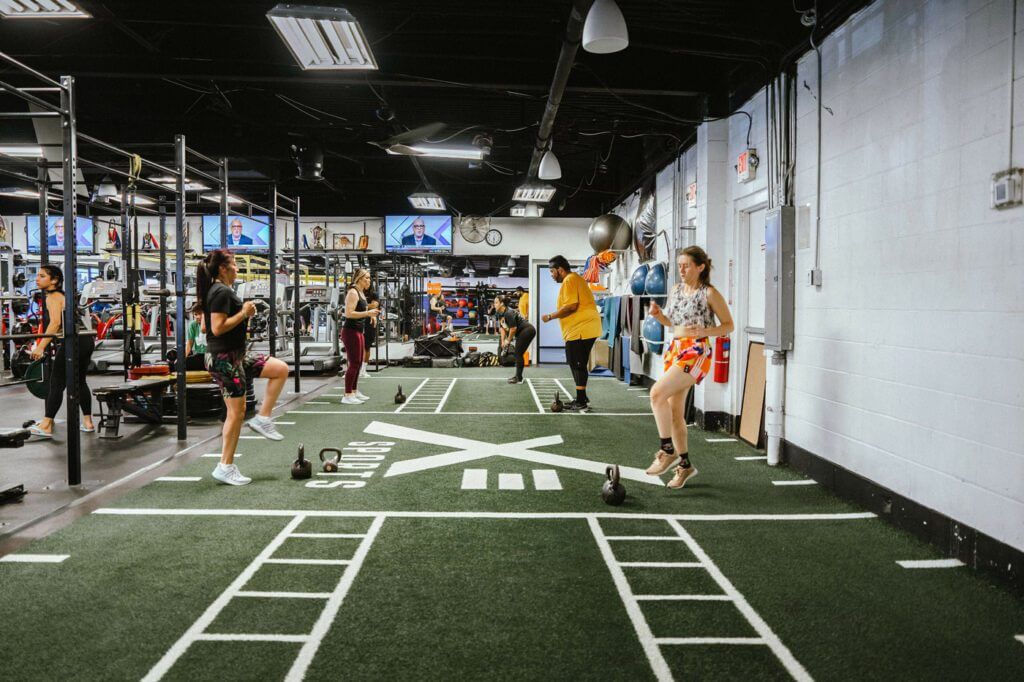
X3 Sports’ Fast Track℠ is an easy way to experience functional training benefits in a group class. Our Fast Track classes include compound exercises that work multiple muscle groups at once. They also incorporate HIIT training practices to improve your muscle’s endurance and stamina. Each class includes some variation of functional movements, whether that’s box jumps, single leg squats, or burpees.
Power Track℠ Classes
While Fast Track℠ is all about endurance and fast muscle twitch, Power Track℠ is all about those heavy compound movements that build muscle stability and strength. In a Power Track℠ class, your trainer will guide you through a routine that focuses on strengthening one of your main muscle groups, whether that is legs, back, chest, or arms and shoulders. Power Track℠ movements typically include large compound exercises such as deadlifts, squats, and bench presses.
Sign Up for a Free Class Today!
Ready to see what functional training can do for you? Sign up for a free class at X3 Sports today and start your journey to a fitter, more functional you. With locations in West Midtown, Inman Park, Marietta, North Marietta, and Athens, we’re here to help you crush your fitness goals.
How to Find Youth Boxing Programs Near You

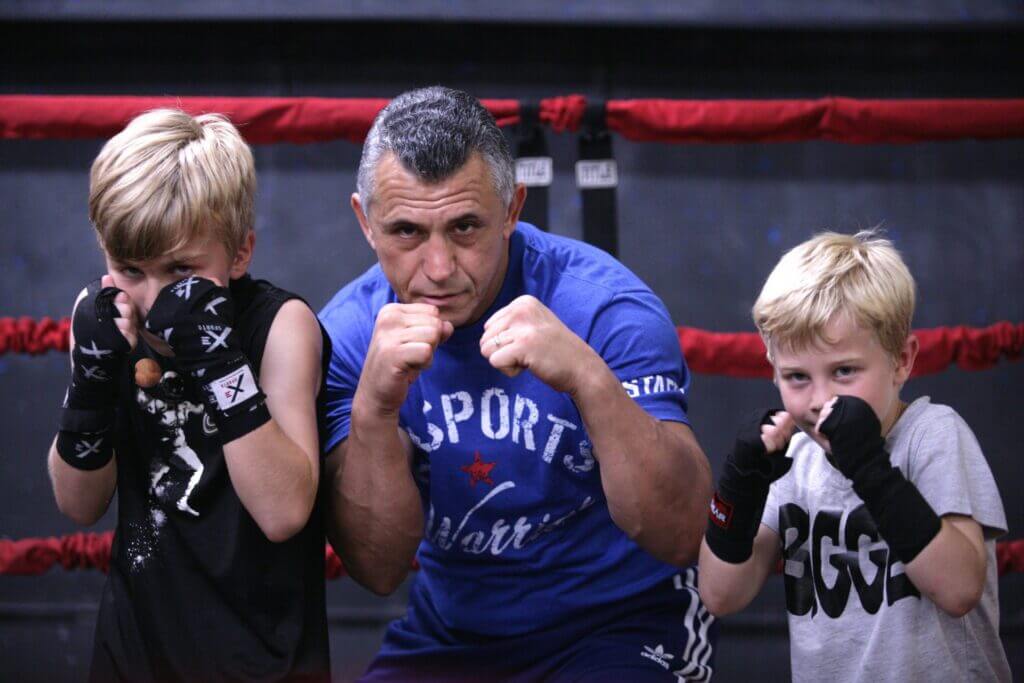
Keeping kids active and busy can be challenging if you don’t know what kind of program to enroll them in. Youth boxing programs near Fulton County are an engaging and enjoyable way to spark your child’s love for exercise and sports. These classes offer a workout while instilling discipline, persistence, and hard work, ensuring that the experience is always fun and never boring.
Why Youth Boxing?
Youth boxing isn’t just about learning to throw punches. It’s about building a foundation of physical fitness, mental discipline, and self-confidence. Kids who engage in boxing develop cardiovascular health, strength, and conditioning. The mental focus required in boxing training helps children concentrate better, manage stress, and build resilience. Plus, achieving boxing milestones boosts their confidence and self-esteem.
Physical Health Benefits of Boxing for Kids
Boxing offers numerous physical health benefits for kids. It significantly improves cardiovascular fitness, ensuring that their heart and lungs are healthy and strong. The sport also enhances hand-eye coordination, which is crucial for overall motor skill development. Training in boxing builds upper body strength, agility, and footwork, providing a comprehensive workout that promotes a healthy lifestyle.
Mental Health Benefits of Boxing for Kids
The psychological impacts of boxing are profound. The sport helps improve confidence as kids find their inner strength through training and competition. Learning discipline and respect is integral to boxing, and these lessons translate into better behavior and attitudes outside the gym. Boxing builds character, teaching kids to handle both victories and defeats gracefully. It also helps develop emotional control and mental focus, skills that are beneficial in academic settings and other aspects of life.
What is Youth Boxing?
Youth boxing programs near Fulton County or Athens are designed for children aged seven to seventeen. These programs introduce kids to the basics of boxing while guiding them through more advanced techniques as they progress. Children learn fundamental skills such as the correct fighting stance and basic punches. As they advance, they receive tips and training to enhance their skills further.
Understanding the Basics
Youth boxing training starts with the basics, teaching kids the correct stance, how to throw punches, and defensive maneuvers. These fundamentals are crucial as they provide the foundation for more advanced techniques. Kids learn how to position their feet, how to move in the ring, and the importance of maintaining balance.
Progressive Training
As kids become more proficient in basic skills, they move on to more complex training. This includes combination punches, defensive strategies, and footwork drills. Advanced training also involves learning how to spar safely and effectively, understanding ring tactics, and improving overall fitness and endurance. The progressive nature of the training ensures that kids are always challenged and engaged.
Early Interest and Development
Introducing kids to boxing at a young age can be beneficial for their physical and mental development. Even before the age of seven, kids can start with non-contact activities like shadowboxing, which helps them develop coordination and interest in the sport. This early start can pave the way for a smoother transition to more structured training as they grow older.
Parental Involvement
Parents play a crucial role in their child’s introduction to boxing. By practicing at home, parents can help nurture their child’s interest in the sport. This involvement not only helps build the child’s skills but also strengthens the parent-child bond through shared interests.

How to Start Your Search for Youth Boxing Programs Near Fulton County or Athens
Online Research and Reviews
Start your journey by searching online for youth boxing programs near Fulton County. Check out reviews and testimonials from other parents to get an idea of the program’s quality and effectiveness. Websites, social media pages, and local community forums can provide valuable insights into the reputation of different programs. Look for programs with consistently positive feedback, as this indicates a reliable and effective training environment.
Asking for Recommendations
Ask friends, family, and community members for recommendations. Personal experiences can provide valuable insights into the best programs available. Talking to people who have firsthand experience with local boxing programs can help you find hidden gems that might not be as well-publicized online. Community centers, schools, and sports clubs are also excellent sources for recommendations.
Visiting Gyms and Clubs
Visit local gyms and boxing clubs. Watch a class to see how it operates and speak with the coaches to understand their approach and philosophy. Observing a session allows you to see how the coaches interact with the kids and how the training is conducted. Pay attention to the gym’s atmosphere, the coach’s teaching style, and how engaged and happy the children seem. This firsthand observation can help you make an informed decision about the best program for your child.
Evaluating the Program: Trial Classes and Membership Options
Taking a Trial Class
Many gyms offer trial classes, which are an excellent way for your child to experience the program firsthand. Observe how the coach interacts with your child and how they respond to the training. Trial classes give you and your child a feel for the gym’s environment, the coach’s teaching methods, and the overall structure of the program. Use this opportunity to ask questions about the training routine, safety measures, and the program’s goals.
Membership Options and Costs
Understand the different membership options and their costs. Consider what works best for your family’s schedule and budget. Some gyms offer flexible payment plans, discounts for long-term commitments, or family packages. Compare the value offered by different programs to ensure you’re making a wise investment in your child’s development.
Making the Commitment: Supporting Your Child’s Boxing Journey
Encouraging Consistency
Help your child set a regular training schedule and encourage them to stick with it. Celebrate their progress and keep them motivated by setting small, achievable goals. Consistency is key to improvement in boxing, as regular practice helps reinforce skills and build fitness. Create a positive environment at home that supports their training routine.
Being Involved and Supportive
Attend matches and events to show your support. Celebrate their achievements and help them navigate any challenges they face. Your involvement can significantly boost your child’s enthusiasm and commitment to the sport. Being present at their training sessions, sparring matches, and competitions shows that you value their efforts and accomplishments.
What Equipment Do Kids Need to Start Boxing?
Kids Boxing Gloves & Wraps
Hand wraps and gloves are essential to protect hands and wrists. Kids’ gloves are designed to fit smaller hands, usually between 4 and 8 ounces. Hand wraps provide additional support and protection, preventing injuries during training and sparring. Ensure that the gloves and wraps are of good quality and fit your child properly to maximize safety and comfort.
Kids’ Boxing Bag
For beginners, a standing bag that sits low on the base is ideal. It provides stability and an appropriate height for kids of all sizes. A good quality bag can withstand the repeated impact of punches, making it a valuable investment for home training. Some bags come with adjustable heights, allowing them to grow with your child.
Kids Boxing Shoes
While not mandatory for beginners, boxing shoes offer better ankle support and grip, enhancing safety and performance. Proper footwear can prevent injuries and improve your child’s agility and movement in the ring. Look for shoes that fit well and provide adequate support without restricting movement.
Start Your Child’s Boxing Journey Today!
Youth boxing is an excellent way to keep children physically active while teaching valuable life skills. It’s a fun and productive way for kids to burn energy and build confidence. The sport offers numerous physical and mental health benefits, making it a fantastic choice for children of all ages.
Start your search for the best youth boxing programs near Fulton County today. Sign up for a free class at X3 Sports and let your child experience the excitement and benefits of boxing firsthand. With the right program and support, your child can thrive in this dynamic and rewarding sport!

Youth Boxing Program | X3 Sports Family Plan | What is Youth Boxing Training and Should Your Child Do It? | Here Are 10 Benefits of Junior Boxing You Won’t Want to Miss
8 Benefits to Boxing Training for Teenagers

Boxing isn’t just about learning how to throw a punch. It’s a full-body workout that provides numerous benefits, especially for teenagers. If you’re a teen looking for a fun and engaging way to stay active, boxing might be the perfect fit. Here are eight compelling reasons why boxing training for teenagers is great:
1. Boosts Physical Fitness
Boxing training for teenagers is an excellent way to improve overall physical fitness. This sport combines cardio exercises, strength training, and agility drills, ensuring a comprehensive workout. Regular boxing sessions help build muscle, enhance cardiovascular health, and burn calories, making it a fantastic choice for teens who want to stay in shape and maintain a healthy lifestyle.
Cardiovascular Health: Boxing training involves intense cardio workouts that get the heart pumping and the blood flowing. This can improve heart health and reduce the risk of cardiovascular diseases later in life. For teenagers, maintaining good heart health is crucial as it sets the foundation for a healthy adult life.
Strength Training: Boxing requires strength in both the upper and lower body. Punching the heavy bag, doing push-ups, and performing various strength drills help build muscle mass and improve overall body strength. Strong muscles not only enhance performance in boxing but also support daily activities and other sports.
Flexibility and Agility: Boxing training involves a lot of movement, including footwork, dodging, and quick changes in direction. This helps improve flexibility and agility, which are essential for overall athleticism. Enhanced flexibility can also reduce the risk of injuries.
Weight Management: With obesity rates rising among teenagers, it’s more important than ever to find effective ways to manage weight. Boxing training for teenagers is a highly effective way to burn calories and shed excess weight. The high-intensity workouts ensure that teens stay active and healthy.
2. Enhances Self-Confidence
One of the significant benefits of boxing training for teenagers is the boost in self-confidence. Learning new techniques, mastering moves, and seeing tangible progress can significantly enhance a teen’s self-esteem. The sense of accomplishment from improving and achieving goals in boxing can spill over into other areas of life, fostering a more confident and positive outlook.
Skill Mastery: As teenagers progress in their boxing training, they learn and master various skills and techniques. This process of learning and improvement builds a sense of achievement. Each new skill mastered is a confidence booster, showing teens that they are capable of achieving their goals through hard work and dedication.
Body Positivity: Boxing training can also improve body image. As teens get stronger and more fit, they often feel better about their bodies. This improved body image can lead to higher self-esteem and greater confidence in social situations.
Performance in the Ring: For those who choose to compete, performing well in the ring can be a huge confidence booster. Successfully applying techniques and strategies learned in training during a match can be incredibly satisfying. Even if they don’t win every match, the progress and effort put into training and competing build resilience and self-belief.

3. Teaches Discipline and Focus
Boxing training for teenagers requires a high level of discipline and focus. From adhering to a strict training schedule to concentrating on precise movements and techniques, boxing instills valuable life skills. These skills are crucial not only in sports but also in academics and personal growth, helping teens develop a disciplined and focused mindset.
Structured Training: Boxing training involves a structured schedule. Regular practice sessions, drills, and workouts require teens to stick to a routine. This structure teaches them the importance of consistency and dedication, which can translate into better time management and organizational skills in their academic and personal lives.
Goal Setting: Boxing training encourages goal setting. Whether it’s mastering a new punch combination, improving fitness levels, or preparing for a match, setting and achieving goals is a key aspect of boxing. This practice of setting and working towards goals can help teens develop a proactive and goal-oriented mindset in other areas of their lives.
Mental Focus: Boxing requires intense concentration. In the ring, a momentary lapse in focus can lead to a missed opportunity or even getting hit. This need for constant awareness and focus can improve a teen’s ability to concentrate and stay present, which can be beneficial in their studies and other activities.
4. Provides Stress Relief
The teenage years can be stressful, filled with academic pressures and social challenges. Boxing training for teenagers offers an excellent outlet for stress relief. The physical exertion combined with the mental focus required in boxing can help clear the mind, release pent-up energy, and reduce stress levels, promoting overall mental well-being.
Physical Release: Boxing training involves high-intensity physical activity, which is a great way to release pent-up energy and stress. Hitting the heavy bag or sparring can be a safe and effective way to channel frustrations and negative emotions, leaving teens feeling more relaxed and centered.
Endorphin Boost: Exercise, including boxing, triggers the release of endorphins, the body’s natural mood lifters. This can lead to improved mood and a sense of well-being. Regular boxing training can help teens manage stress and anxiety, contributing to better mental health.
Mental Focus: Boxing requires full mental engagement, which can help teens take their minds off their worries. The need to concentrate on techniques, movements, and strategies during training sessions can provide a mental break from academic and social pressures, allowing teens to return to their daily lives with a clearer mind.
5. Develops Self-Defense Skills
Boxing training for teenagers equips them with essential self-defense skills. Learning how to defend oneself, improve reflexes, and react quickly in potentially dangerous situations can provide teens with a sense of security and peace of mind. These skills are invaluable and can enhance personal safety and confidence.
Basic Self-Defense: Boxing training teaches fundamental self-defense techniques. Teens learn how to protect themselves, block attacks, and deliver effective counter-strikes. These skills can be crucial in real-life situations where self-defense is necessary.
Reflexes and Reaction Time: Boxing training improves reflexes and reaction time. The ability to react quickly to an opponent’s moves is essential in the ring and can be beneficial in everyday life. Quick reflexes can help teens avoid accidents and respond effectively in emergencies.
Situational Awareness: Boxing also teaches situational awareness. In the ring, being aware of an opponent’s movements and anticipating their actions is crucial. This heightened sense of awareness can help teens stay alert and avoid potentially dangerous situations outside the gym.
6. Improves Coordination and Balance
Boxing training for teenagers involves a lot of footwork, head movement, and precise punching, all of which improve coordination and balance. Enhanced agility and coordination can benefit teens in other sports and physical activities, making them more well-rounded athletes.
Footwork: Footwork is a critical aspect of boxing. Training drills that focus on moving efficiently and maintaining balance can significantly improve a teen’s overall coordination. Good footwork also translates to better performance in other sports that require quick changes in direction and agility.
Hand-Eye Coordination: Boxing training enhances hand-eye coordination. Throwing punches accurately while avoiding incoming strikes requires precise coordination between the eyes and hands. This skill can benefit teens in various activities, from playing musical instruments to participating in team sports.
Core Stability: Maintaining balance while throwing punches and moving around the ring strengthens the core muscles. A strong core improves overall stability and posture, reducing the risk of injuries and enhancing athletic performance.
7. Fosters Healthy Social Interaction
Joining a boxing gym introduces teenagers to a community of peers who share a similar interest. Boxing training for teenagers fosters healthy social interactions, allowing them to make new friends, learn from others, and be part of a supportive and motivating environment. The sense of camaraderie in a boxing gym can be incredibly uplifting and inspiring.
Community Building: Boxing training creates a sense of community. Training alongside others, sharing experiences, and supporting each other through challenges can build strong bonds and friendships. This sense of belonging can be particularly important during the often tumultuous teenage years.
Mentorship: Experienced trainers and older peers in the boxing gym can serve as mentors for teenagers. These role models can provide guidance, support, and valuable life lessons, helping teens navigate both their training and personal challenges.
Teamwork and Sportsmanship: While boxing is often seen as an individual sport, training and sparring with partners teaches important lessons in teamwork and sportsmanship. Respecting opponents, cooperating with training partners, and celebrating each other’s successes foster a positive and supportive environment.
8. Encourages Goal Setting and Achievement
Boxing training for teenagers involves setting personal goals, whether it’s mastering a new technique, improving fitness, or preparing for a match. Achieving these goals requires dedication, hard work, and perseverance. The satisfaction of reaching these goals can instill a sense of accomplishment and motivate teens to tackle other challenges in life.
Personal Goals: Boxing encourages teens to set and work towards personal goals. These can range from mastering a specific punch combination to improving endurance or winning a match. Setting and achieving these goals teaches valuable lessons in perseverance and determination.
Progress Tracking: Boxing training allows for clear progress tracking. Teens can see tangible improvements in their skills, fitness levels, and performance. This visible progress can be highly motivating and encourage a growth mindset, where continuous improvement is valued.
Resilience: The challenges faced during boxing training build resilience. Teens learn to push through difficulties, recover from setbacks, and keep striving towards their goals. This resilience is an important life skill that can help them navigate future challenges with confidence and determination.
Ready to Dive into Boxing Training for Teenagers?
Boxing training for teenagers offers a unique blend of physical fitness, mental discipline, and personal growth. If you’re a teen looking for a sport that challenges you both physically and mentally, boxing might be the perfect choice. So why not give it a try? Grab those gloves, step into the ring, and experience all the incredible benefits that boxing has to offer!
Sign Up for a Free Class
Step into the ring with us at X3 Sports and knockout a free class! If you’re a teenager or a parent looking to build an efficient workout routine, boxing training for teenagers may be the missing piece to the puzzle you’ve been looking for.