
Posts by x3sports
Discover the Best “BJJ Near Me” to Join a Thriving Jiu-Jitsu Community

You’ve made the choice to get into Brazillian Jiu-Jitsu (BJJ). Now it’s time to find the right academy. However, searching “BJJ near me” may bring up too many options, leaving you confused and overwhelmed about how — and where — to get started.
Don’t worry: that’s why we’re here.
Below, we’re breaking down how to find the right BJJ academy for you based on location, preferences, classes, and more. This way, you’ll know exactly what you’re looking for when you start your Jiu-Jitsu journey.
Key Takeaways:
- Community Impact: The right “BJJ near me” location boosts your training, motivation, and progress.
- Convenience Matters: A nearby academy helps you stay consistent and engaged in training.
- Qualified Instructors: Learning under an experienced instructor ensures authentic technique and growth.
- Varied Classes: An academy with diverse classes supports progression and keeps you motivated.
- Facility Quality: A clean, well-equipped facility enhances your training experience.
- Trust Your Instincts: Choose an academy where you feel supported and motivated.
Why Finding the Right BJJ Academy Matters
Recently, BJJ has exploded in popularity, drawing people from all walks of life into the world of grappling and ground fighting. But, as you discover the physical and mental benefits of this martial art, finding the right “BJJ near me” academy becomes even more crucial to this practice.
It’s important to remember that not all academies are created equal: some might excel in competition training, while others focus on self-defense or community building.
Thus, choosing the right place to train impacts your progress, motivation, and overall experience. So, when searching for “BJJ near me,” you need to take the time to consider various factors to ensure the academy aligns with your goals and lifestyle.
How to Find BJJ Near Me
It may seem niche, but BJJ academies near you might be closer than you think. To find the right one for you, you should take the time to consider the academy’s location, instructor credentials, class offerings, and amenities.
Location: Convenience is Key
Finding a “BJJ near me” academy close to home or work offers undeniable benefits.
The convenience of a nearby location means you’re more likely to stick with your training routine, even on busy days. Plus, less time spent commuting allows more time on the mats, helping you progress faster and maintain consistency in your practice.
It’s also worthwhile to consider the transportation options available. If you rely on public transit, ensure the academy is easily accessible by bus, train, streetcar, or whatever your chosen mode of transportation is.
For those who drive, ample parking can make a significant difference, especially in bustling urban areas.
At the end of the day, a conveniently located academy eliminates the hassle of commuting and lets you focus on what truly matters — your training.
Instructor Credentials
Simply put, training under a qualified BJJ instructor is essential for your practice development.
Checking an instructor’s credentials provides insight into their experience and expertise, ensuring you learn authentic techniques from a reputable source.
A well-connected instructor with a strong lineage can also offer valuable opportunities, such as seminars and networking within the BJJ community.
Equally important is the student-instructor ratio. A balanced ratio ensures you receive personalized attention during classes, allowing for more effective learning and quicker corrections.
With the right instructor, you’ll gain a deeper understanding of BJJ, improve your skills faster, and feel more confident on the mats.
Class Offerings
When selecting a BJJ academy, it’s essential you find one that offers a variety of classes tailored to your skill level and specific interests.
A well-rounded academy will provide options for everyone, from beginners to advanced practitioners, and will offer specialized classes to meet diverse needs.
Here are a few things to keep an eye out for when evaluating potential BJJ locations in terms of classes:
| Class Offerings | Details |
| Beginner to Advanced Classes | Availability of classes that cater to all skill levels, ensuring progression. |
| Specialized Classes | Options like self-defense, no-Gi, or women-only sessions for tailored training. |
| Class Schedule Flexibility | A schedule that fits your lifestyle, allowing consistent and uninterrupted training. |
Facility Amenities
Finally, when choosing your BJJ academy, you should look into the facility’s other amenities to ensure it offers everything you need.
For example, a clean, well-maintained space not only reflects the professionalism of the academy but also ensures a safe and hygienic environment for training. Mats, showers, and changing rooms should be regularly cleaned and in good condition, reducing the risk of injuries and illnesses.
Beyond cleanliness, the availability of essential amenities can greatly enhance your training convenience.
Access to clean showers, changing rooms, and lockers allows you to transition smoothly between training sessions and daily responsibilities. These amenities make it easier to fit BJJ into your routine, whether you’re heading to work afterward or winding down for the day.
In addition to the basics, extras like strength training equipment, comfortable lounges, or a pro shop can elevate your experience.
Strength training equipment can complement your BJJ training, helping you build the necessary physical strength for grappling. A lounge area provides a place to relax and socialize with fellow students, fostering a sense of community.
Meanwhile, a well-stocked pro shop ensures you have easy access to essential BJJ gear and supplements, saving you time and effort.
Together, these amenities create a well-rounded environment that supports your BJJ journey both on and off the mats.
Making Your Decision: Choosing Your BJJ Home
Now that you know what to look out for when searching “BJJ near me,” the next step is choosing your new academy. Making this decision can be a little tough if you’re unsure, so here are some tips for choosing the right space for you:
- Observe Class Dynamics: Watch a class in action before committing. Notice how students interact with each other and the instructor. A positive, respectful dynamic among students can indicate a healthy learning environment.
- Ask About the Academy’s Philosophy: Inquire about the academy’s approach to BJJ. Some academies focus heavily on competition, while others emphasize self-defense, fitness, or community. Choose one that aligns with your personal goals and values.
- Consider the Academy’s Commitment to Safety: Ask about the academy’s safety protocols, including how they handle injuries, sparring intensity, and hygiene practices. A strong commitment to safety reflects the academy’s care for its students’ well-being.
- Review Membership Policies: Take a close look at the membership options, including pricing, contract length, and any hidden fees. Understand the flexibility of the membership, such as the ability to freeze your account if needed.
- Get Feedback from Current Students: Speak with current students about their experiences. Their insights can provide an honest perspective on what it’s like to train there, including any pros and cons that might not be immediately obvious.
Lastly, trust your gut feeling. After visiting different academies, you might find that one just feels right. Whether it’s the vibe, the people, or the overall atmosphere, your instincts often guide you toward the best fit for your training and personal growth.
Begin Your Jiu-Jitsu Journey Today!
At the end of the day, choosing the right BJJ academy is a crucial step in your martial arts journey. Trust your instincts, evaluate each option carefully, and remember that the right environment can significantly impact your progress and enjoyment in Brazilian Jiu-Jitsu.
If you’re in the Atlanta area, contact us today to explore our very own BJJ classes! Whether you’re a beginner or an experienced practitioner, we offer the training and support you need to thrive at Atlanta’s best and most affordable BJJ academy.
Types of Boxing: Which Punch Packs Your Personality?

Boxing isn’t just a sport; it’s a versatile workout and a way to build confidence and strength. If you’re curious about the different types of boxing and which might be a good fit for you, you’re in the right place. Whether you want to get fit, learn self-defense, or compete, there’s a boxing style that matches your goals and personality. At X3 Sports, we offer several types of boxing that cater to various needs and preferences. Let’s explore these styles and find out which one might be perfect for you.
What Are the Types of Boxing?
Boxing has evolved into various styles, each with its unique approach and benefits. Here’s a rundown of the most popular types of boxing and what you can expect from each.
1. Traditional Boxing
Traditional boxing is a combat sport with a rich history that has evolved over centuries. It revolves around mastering four fundamental punches: the jab, cross, hook, and uppercut. Each punch has its specific purpose and technique:

- Jab: Often the most frequently used punch, the jab is delivered with the lead hand and is used to gauge distance, set up combinations, and disrupt the opponent’s rhythm. It’s a quick, straight punch that helps control the pace of the fight.
- Cross: The cross is a powerful straight punch thrown with the rear hand. It typically follows the jab and aims to deliver significant force to the opponent. It’s crucial for creating openings and capitalizing on them.
- Hook: The hook is a punch delivered with a bent arm, targeting the opponent’s head or body from the side. It’s an effective tool for close-range combat and can cause significant damage when executed correctly.
- Uppercut: This punch is delivered from a lower position and travels upward, aiming for the opponent’s chin or jaw. It’s particularly effective when an opponent is leaning forward and can lead to knockouts if landed cleanly.
Traditional boxing emphasizes footwork, head movement, and defensive maneuvers. A boxer must maintain balance and positioning while simultaneously looking for opportunities to strike. The goal is not just to land punches but to do so while avoiding incoming attacks, making defense as crucial as offense.
At X3 Sports, our traditional boxing classes cover the basics and beyond. You’ll work on punch combinations, defensive moves, and footwork. It’s a great starting point if you’re new to boxing or if you want to build a solid foundation in the sport. We also have advanced boxing classes once you are ready to take the next step in your training.
2. Kickboxing
Kickboxing blends elements of traditional boxing with various kicking techniques, creating a dynamic and versatile striking style. Originating from traditional martial arts like Muay Thai and Karate, kickboxing integrates punches with powerful kicks, knee strikes, and sometimes even elbow strikes, depending on the specific ruleset.
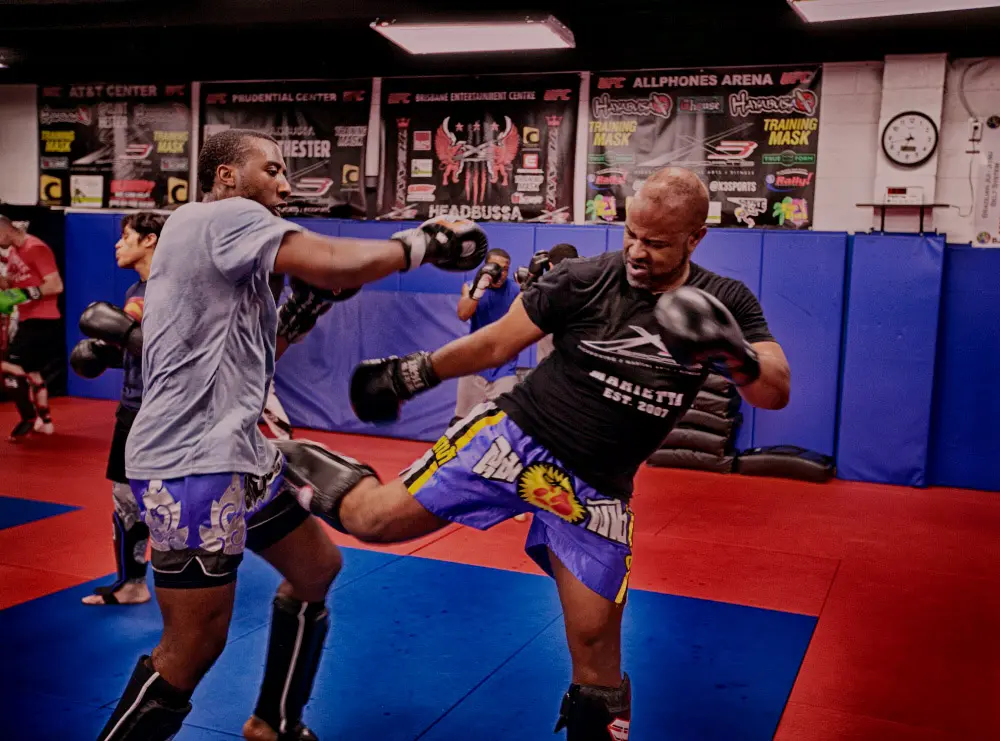
- Kicks: Kickboxing incorporates different types of kicks, including roundhouse kicks, front kicks, side kicks, and back kicks. Each kick targets various parts of the opponent’s body, including the legs, torso, and head. Proper technique is essential for maximizing power and minimizing injury.
- Leg Work: The inclusion of kicks in kickboxing requires strong leg muscles and flexibility. Training often focuses on building lower body strength, improving agility, and enhancing balance.
- Cardiovascular and Overall Fitness: Kickboxing is an excellent full-body workout that improves cardiovascular health, builds endurance, and enhances muscle strength. The combination of punching and kicking, along with movement and defensive maneuvers, provides a comprehensive fitness regime.
Kickboxing training often involves practicing combinations of punches and kicks, pad work, bag work, and sparring. It’s a high-intensity workout that not only develops striking skills but also contributes to overall physical conditioning.
At X3 Sports, our kickboxing classes are designed to be high-energy and engaging. You’ll learn how to integrate kicks with punches and defensive strategies, offering a comprehensive workout that’s also a lot of fun.
3. Muay Thai
Muay Thai, known as the “Art of Eight Limbs,” is a traditional martial art from Thailand renowned for its striking techniques. It distinguishes itself from other striking arts by utilizing all parts of the body for offensive and defensive purposes, including:
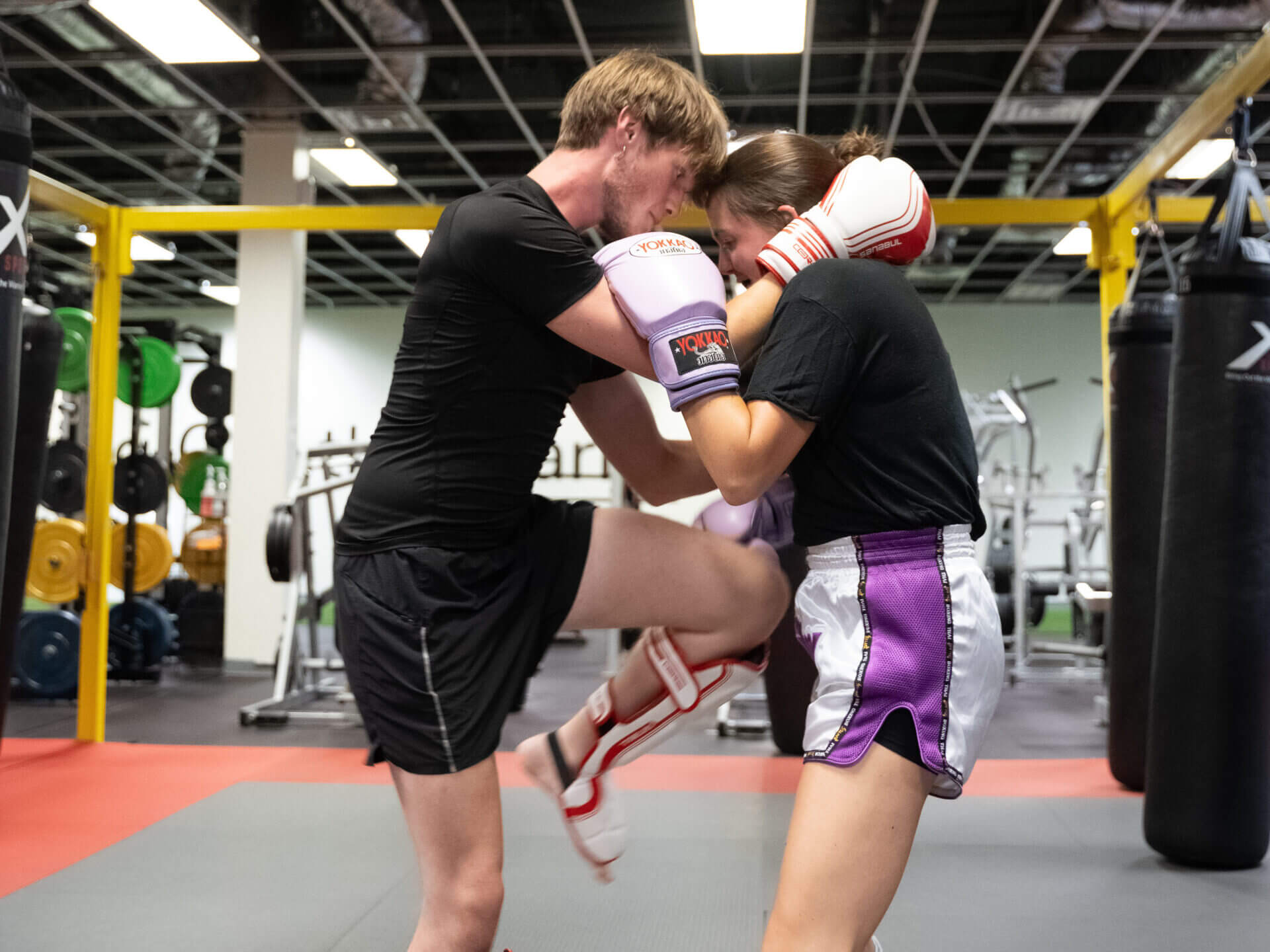
- Fists: Like in traditional boxing, Muay Thai practitioners use their fists for punches, but they also incorporate unique techniques like the spinning elbow.
- Elbows: Elbow strikes are a key feature in Muay Thai, used for close-range attacks and clinching. They are effective for causing cuts and breaking through an opponent’s guard.
- Knees: Knee strikes are delivered from various angles and can be used in both stand-up fighting and clinching. They are powerful tools for inflicting damage and controlling the opponent’s movement.
- Shins: The use of shins for kicks is a distinctive aspect of Muay Thai. Shin kicks are employed to target the legs, torso, and head, providing significant impact and damage.
Muay Thai training emphasizes clinching, a technique where fighters engage in close contact to control and strike their opponent. It also focuses on conditioning the body to withstand and deliver powerful strikes. Practitioners develop exceptional durability, agility, and striking precision through rigorous training and sparring.
Our Muay Thai classes, you’ll learn to use all eight points of contact for striking and defending. This style is great for improving your power and versatility and is especially useful if you’re interested in MMA.
4. MMA (Mixed Martial Arts)
Mixed Martial Arts (MMA) is a comprehensive combat sport that integrates techniques from various martial arts and boxing styles. It’s known for its versatility and includes the following aspects:
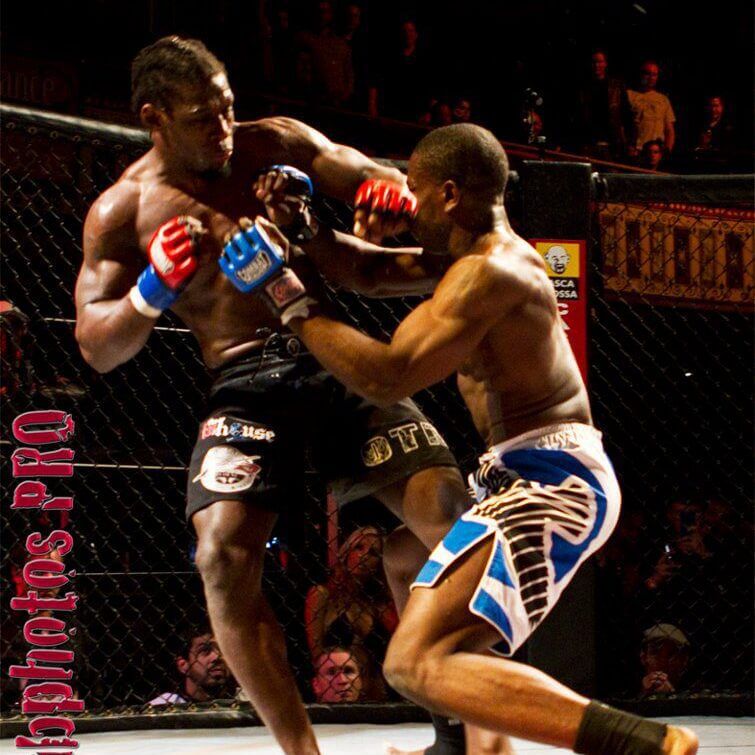
- Striking: This encompasses techniques from boxing, kickboxing, Muay Thai, and other striking arts. Fighters use punches, kicks, elbows, and knees to attack their opponents, both from a distance and in close quarters.
- Grappling: Grappling techniques include wrestling, Brazilian Jiu-Jitsu (BJJ), and other submission arts. Fighters use these techniques to control their opponents, execute takedowns, and apply submission holds such as armbars and chokes.
- Ground Fighting: Once on the ground, MMA fighters utilize a combination of grappling, ground-and-pound (striking from the top position), and positional control. Ground fighting skills are crucial for both defense and offense in MMA.
- Transitioning: A significant aspect of MMA is the ability to transition seamlessly between striking and grappling. Fighters must be adept at moving between different ranges of combat and adapting their strategy based on the fight’s progression.
MMA training involves a well-rounded approach, incorporating elements from multiple disciplines to create a versatile and effective fighter. It requires a high level of physical conditioning, technical skill, and strategic thinking.
X3 Sports MMA classes integrate elements from boxing, Muay Thai, Brazilian Jiu-Jitsu, and more. It’s ideal if you’re looking to develop a broad set of skills that can be applied in various fighting scenarios.
5. Honorable Mention: Brazilian Jiu-Jitsu (BJJ)
While BJJ is more about ground fighting than boxing, it’s a crucial part of MMA and can complement your boxing training. It focuses on submission holds and positional control on the ground.
Our BJJ classes teach you techniques for grappling and submissions, which can enhance your overall combat skills. It’s a good addition if you’re interested in a comprehensive approach to fighting.
Choosing the Right Type of Boxing
With so many types of boxing to choose from, how do you find the right one for you? Here are a few tips to help you decide:
- Consider Your Goals: Are you looking to compete, get fit, or learn self-defense? Traditional boxing is great for competition, while kickboxing offers a full-body workout. Muay Thai and MMA provide additional techniques and self-defense skills.
- Think About Your Preferences: Do you prefer a fast-paced, high-energy workout, or are you interested in a more strategic approach? Kickboxing and Muay Thai offer dynamic training, while traditional boxing and BJJ focus on specific aspects of fighting.
- Assess Your Fitness Level: Some types of boxing are more demanding than others. If you’re new to fitness or boxing, starting with traditional boxing or kickboxing might be a good idea. As you build endurance and skills, you can explore more advanced styles like Muay Thai or MMA.
- Match Your Interests: If you’re excited about learning a variety of techniques, MMA might be the best fit. If you’re interested in mastering striking skills, traditional boxing or Muay Thai could be more appealing.
Why Choose X3 Sports?
At X3 Sports, we offer a range of types of boxing to suit different goals and preferences. Here’s why you should consider joining us:
- Experienced Instructors: Our coaches have extensive experience in their respective types of boxing and are committed to helping you improve.
- Flexible Scheduling: With various locations and class times, you can find a boxing class that fits your schedule.
- Supportive Environment: Join a community of people who are all working toward their fitness and martial arts goals.
- Top-Notch Facilities: Our gyms are equipped with the latest equipment to support all the types of boxing we offer.
Which Boxing Style Fits You Best?
Now that you know about the different types of boxing, you can choose the one that aligns with your interests and goals. Whether you’re drawn to the classic techniques of traditional boxing, the added intensity of kickboxing, or the versatile approach of MMA, there’s a boxing style that’s right for you.
At X3 Sports, we’re here to help you find and excel in the type of boxing that suits you best. Come join us and discover the types of boxing style that fits you perfectly! Book your first boxing class free with us here!
Discover the Incredible Benefits of Jiu-Jitsu for Kids: What’s the Perfect Age to Start?

As a parent, it can sometimes be hard to tell when it’s the right time to get your child involved in sports or other activities. When it comes to jiu-jitsu for kids, many parents want to know what age a child can start.
So, when is it appropriate to get your kid into Jiu-Jitsu? Let’s talk about it.
Key Takeaways:
- Starting Age: Kids can start Jiu-Jitsu around 4 or 5 when they develop the necessary physical and cognitive skills.
- Toddler Classes: Programs for toddlers (2-3 years) focus on basic movement and play, not formal training.
- Readiness Signs: Signs of readiness include physical coordination, following instructions, interest, and emotional maturity.
- Milestones: By age 4 or 5, children should have the motor skills and cognitive ability for Jiu-Jitsu.
- Benefits: Early Jiu-Jitsu boosts confidence, discipline, social skills, coordination, and mental resilience.
- Age-Specific Training: Classes are tailored by age, from basic toddler movements to competitive prep for preteens.
What Age Can a Child Start Jiu-Jitsu?
Children can typically start learning Jiu-Jitsu as early as 4 or 5 years old!
At this age, most children are beginning to develop the physical coordination and cognitive understanding necessary to follow instructions and participate in structured activities.
While some schools may offer introductory classes for toddlers, starting around 2 to 3 years old, these sessions are generally focused more on basic movement and playful interaction rather than formal training.
The ideal starting age can vary depending on the individual child’s maturity and interest, but by age 4 or 5, many kids are ready to begin learning the foundational techniques of Jiu-Jitsu in a way that is both engaging and developmentally appropriate.
Key Signs Your Child is Ready for Jiu-Jitsu
Aside from age, there are a few signs you can look out for that will help tell you that your child is ready to get enrolled in Jiu-Jitsu classes:
- Physical Coordination: Your child can perform basic movements like running, jumping, and balancing, which are essential for Jiu-Jitsu.
- Listening Skills: They can follow instructions from adults and stay focused during activities.
- Interest in Martial Arts: Your child shows curiosity or excitement about learning Jiu-Jitsu or martial arts in general.
- Social Interaction: They are comfortable interacting with other children and can work well in a group setting.
- Emotional Maturity: Your child can handle minor frustrations and challenges without getting overly upset.
- Energy Levels: They have the physical energy and stamina to participate in an active class without becoming too tired or overwhelmed.
- Respect for Rules: Your child understands and respects basic rules, which is important for a structured martial arts environment.
When you see signs like the ones above, combined with being the right age for Jiu-Jitsu, it becomes even easier to understand when it’s the right time to get your kid started with classes.
Physical and Cognitive Readiness for Jiu-Jitsu
When your child gets to a good age to try Brazilian Jiu-Jitsu, it’s important to make sure they are where they should be physically and cognitively, as well.
Quickly, let’s go over some physical and cognitive milestones that your child can reach that will make them even more successful in BJJ.
Physical Development Milestones
For young children starting Jiu-Jitsu, certain physical development milestones are important to ensure they can participate safely and effectively.
By the age of 4 or 5, most children have developed basic motor skills such as running, jumping, and balancing, which are crucial for executing the movements and techniques taught in Jiu-Jitsu.
Additionally, children at this age typically have the strength and flexibility to perform basic grappling and ground movements without risking injury. (Speaking of, check out the best BJJ workouts to improve flexibility and mobility!)
As they continue to grow, their coordination improves, allowing them to refine their techniques and respond more effectively to their training partners.
Cognitive Readiness
Cognitive development plays a significant role in a child’s readiness for Jiu-Jitsu training, as well.
Young practitioners need to have the ability to understand and follow multi-step instructions, which is a key component of learning complex techniques. Children who can focus on tasks for extended periods and remember sequences of movements are better equipped to grasp the fundamentals of Jiu-Jitsu.
Additionally, problem-solving skills are important as children learn to anticipate their opponent’s actions and respond with appropriate techniques.
Emotional regulation is also essential: young practitioners must handle the ups and downs of training, including dealing with the challenges of sparring and learning from mistakes.
Developmental Benefits of Jiu-Jitsu for Kids
Starting Jiu-Jitsu at an early age offers numerous developmental benefits that extend beyond physical fitness. For example, the boost in self-confidence and self-discipline that children gain from consistent training can be invaluable!
As they learn new techniques and overcome challenges on the mat, they develop a strong sense of achievement and perseverance, which can positively impact other areas of their lives.
Jiu-Jitsu also enhances children’s coordination and motor skills, as the practice involves complex movements that require balance, agility, and precision. These physical skills are foundational for many other sports and activities.
Additionally, Jiu-Jitsu promotes mental resilience and problem-solving abilities. Young practitioners are constantly faced with new situations during sparring and drills, requiring them to think quickly and adapt their strategies.
This mental agility can translate into better academic performance and improved decision-making skills.
And, of course, Jiu-Jitsu teaches valuable social skills, such as teamwork, respect for others, and effective communication. Training in a structured environment with peers fosters a sense of camaraderie and mutual respect, helping children develop positive relationships both inside and outside the dojo.
What to Expect from Age-Specific Jiu-Jitsu Classes
When it comes to Jiu-Jitsu for kids, it’s important to understand what your child’s age-specific classes will look like. What they’re learning, the intensity of the practice and other factors will all vary based on the class they’re in for their age category.
Below, we’ve broken down what you can expect from these age-specific BJJ classes:
| Age Group | Class Focus | Key Features |
| Toddlers (2-3 years) | Introduction to Basic Movements | – Emphasis on playful interaction and basic motor skills- Simple, fun activities to develop coordination and balance |
| Young Children (4-7 years) | Focus on Technique and Fun | – Introduction to foundational Jiu-Jitsu techniques- Classes designed to be engaging and enjoyable- Emphasis on discipline and following instructions |
| Preteens (8-12 years) | Preparing for Competitive Training | – More advanced techniques and strategy- Introduction to sparring and competition- Focus on physical conditioning and mental resilience |
Exploring Jiu-Jitsu for Kids
From the playful introduction of basic movements in toddler classes to the more focused technique and preparation for competition in preteen classes, Jiu-Jitsu for kids offers a structured and supportive environment for your children to grow and thrive.
As they progress through age-specific classes, they not only learn valuable self-defense skills but also develop discipline, confidence, and a strong sense of community.
If you have more questions about BJJ, or are looking to get signed up for some classes, you can contact us today to get started.
Step Into the Ring: Muay Thai for Beginners and What to Expect

So, you’re thinking about trying Muay Thai? That’s awesome! It’s a great way to get in shape, learn self-defense, and challenge yourself mentally and physically. But if you’re feeling a bit nervous about starting, that’s totally normal. Muay Thai can seem intimidating at first, but with the right mindset and preparation, you’ll find it’s a welcoming and rewarding sport. Let’s talk about what Muay Thai for beginners looks like and what you can expect when you start at X3 Sports.
What Is Muay Thai?
Muay Thai, often referred to as the “Art of Eight Limbs,” is a martial art and combat sport from Thailand that uses punches, kicks, elbows, and knees. It’s called the “Art of Eight Limbs” because it utilizes eight points of contact—two fists, two elbows, two knees, and two shins—making it a full-body workout that develops both strength and endurance. Muay Thai for beginners focuses on these basic techniques, helping you build a strong foundation in the sport.

Why Start With Muay Thai?
Muay Thai is an excellent choice for beginners for several reasons. First, it’s a complete workout that improves your cardiovascular fitness, strength, and flexibility. It’s also a highly effective form of self-defense, teaching you how to use your body efficiently in real-life situations. Plus, Muay Thai for beginners emphasizes learning at a comfortable pace, so you’ll be able to keep up even if you’re new to martial arts. Muay Thai classes are usually very community-oriented, so you’ll be learning alongside others who are at the same level as you, which can make the experience less daunting.
At X3 Sports, our Muay Thai classes are designed with beginners in mind. Whether you’re completely new to martial arts or just looking to add something new to your fitness routine, our expert instructors will guide you through the basics and help you build a strong foundation. Our classes focus on proper technique, conditioning, and practical self-defense skills, all in a supportive and motivating environment that’s perfect for Muay Thai for beginners.
What to Expect in Your First Muay Thai Class
Walking into your first Muay Thai class can be a bit intimidating, but knowing what to expect can help ease those nerves. Here’s a general overview of what your first few sessions at X3 Sports might look like:
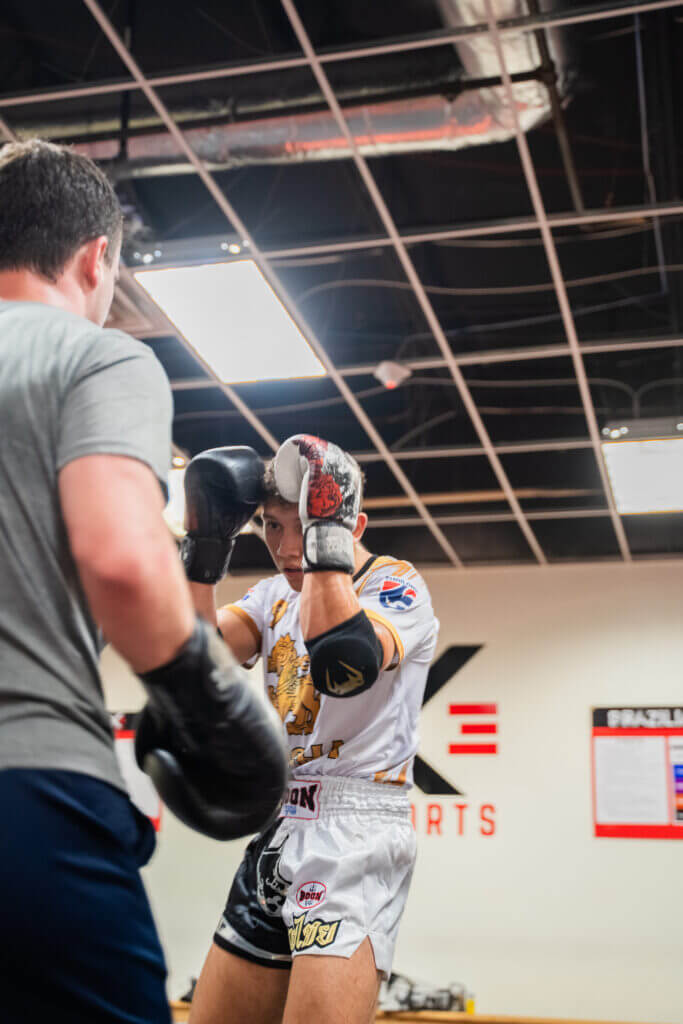
- Warm-Up: Classes typically start with a warm-up to get your heart rate up and your muscles loose. This might include jumping rope, jogging, shadowboxing, or some light stretching. In Muay Thai for beginners, the warm-up is designed to prepare your body for the techniques you’ll be learning.
- Basic Techniques: As a beginner, you’ll spend a lot of time learning the basic techniques—how to throw punches, kicks, elbows, and knees correctly. You’ll also learn how to defend against them. Don’t worry about getting it perfect right away; it takes time to develop proper form, and Muay Thai for beginners is all about building that foundation.
- Pad Work: After learning the basics, you’ll likely practice them on pads with a partner. This is where you’ll start to apply what you’ve learned in a controlled environment. Your instructor or partner will hold pads for you to strike, helping you get used to the impact and improve your accuracy and power. Pad work is an essential part of Muay Thai for beginners, as it allows you to put theory into practice.
- Conditioning: Muay Thai involves a lot of conditioning work to build endurance and strength. This could include core exercises, push-ups, or more specific drills like clinching practice (where you work on controlling an opponent’s head and neck). Conditioning is a key component of Muay Thai for beginners, helping you build the stamina needed for more advanced training.
- Cool Down: Classes usually end with a cool-down session, which might include stretching or some light movement to help your body recover. This is a crucial part of Muay Thai for beginners, ensuring that your body can handle the demands of training over time.
Common Concerns for Beginners
It’s natural to have some concerns before starting Muay Thai. Here are a few common ones and how to approach them:
- “I’m not in good enough shape.” You don’t need to be in peak physical condition to start Muay Thai. The classes themselves will help you build the fitness you need, and everyone starts at their own pace. Muay Thai for beginners is structured to help you gradually build up your fitness level.
- “What if I get hurt?” Safety is a priority in Muay Thai training, especially for beginners. Instructors at X3 Sports will guide you through the proper techniques to minimize the risk of injury. As long as you listen to your body and your instructor, you’ll be fine. Muay Thai for beginners focuses heavily on proper form and safety to keep you injury-free.
- “I don’t know anyone.” Walking into a new environment can be tough, but our X3 Sports community is very welcoming. Everyone was a beginner once, and most people are more than happy to help you get started. Muay Thai for beginners is a great way to meet new people and build camaraderie with your classmates.
Tips for Your Muay Thai Journey
Starting Muay Thai is a big step, and here are a few tips to help you along the way:
- Be patient with yourself. Learning Muay Thai takes time, so don’t get discouraged if you don’t master everything right away. Focus on progress, not perfection. This mindset is crucial in Muay Thai for beginners.
- Stay consistent. The more regularly you train, the quicker you’ll improve. Try to attend classes a few times a week if you can. Consistency is key to success in Muay Thai for beginners.
- Take care of your body. Muay Thai is physically demanding, so it’s important to get enough rest, stay hydrated, and eat well to support your training. This is especially important in Muay Thai for beginners as your body adapts to the new demands.
- Ask questions. Don’t be afraid to ask your instructor for help or clarification if you’re unsure about something. It’s better to learn the correct technique from the start. Asking questions is encouraged in Muay Thai for beginners, as it helps you build a strong foundation.
Ready to Get Started?
Muay Thai is a challenging but incredibly rewarding sport. It will push you out of your comfort zone, but that’s where the growth happens. Whether you’re looking to get fit, learn self-defense, or simply try something new, Muay Thai for beginners offers a supportive and empowering environment to do so.
At X3 Sports, our Muay Thai classes are tailored to help you develop the skills you need, no matter your starting point. If you’re ready to take the plunge and start your Muay Thai journey, we’re here to help you every step of the way.
Come visit us at one of our locations or sign up for a class today—we’d love to see you in the ring!
Ready to Kick It? Here’s Your Ultimate Guide to Beginner Kickboxing Near You

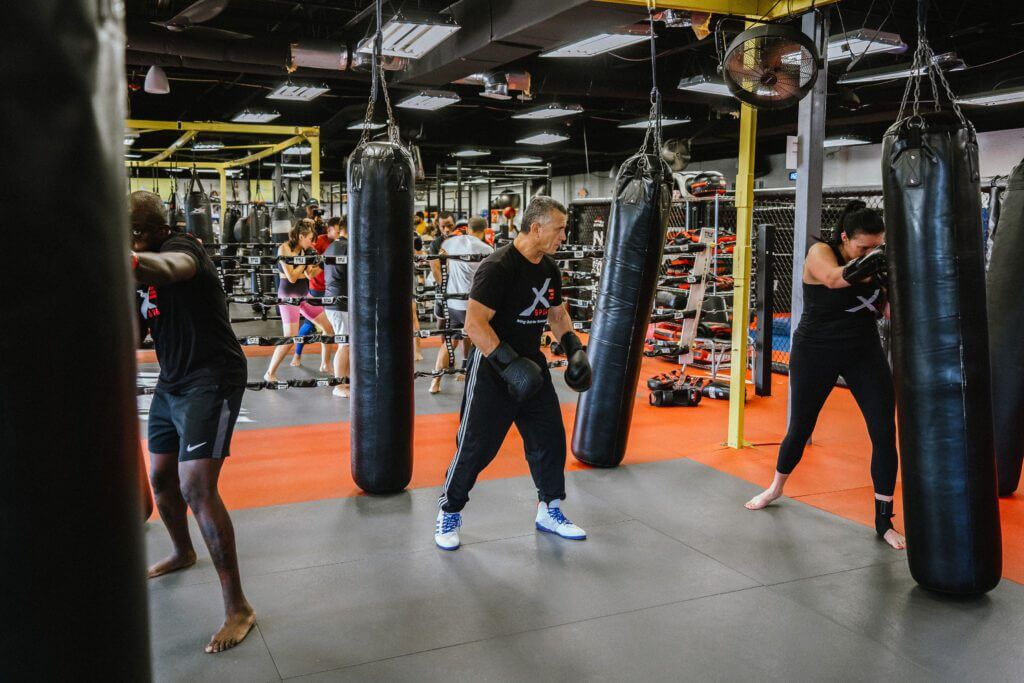
Kickboxing isn’t just a workout; it’s a journey that challenges your body, sharpens your mind, and empowers your spirit. Whether you’re here to burn calories, build strength, or discover a new passion, you’ve landed in the right place. This ultimate guide to beginner kickboxing near you will arm you with everything you need to get started—covering every angle, from finding the perfect gym to mastering your first kick.
Why Kickboxing Should Be Your Next Move
First things first—why choose kickboxing? Unlike traditional workouts that can feel repetitive, kickboxing is dynamic and engaging. It combines the intensity of martial arts with the cardiovascular benefits of high-intensity interval training (HIIT). Each session is a full-body workout that burns calories, builds muscle, and improves flexibility, all while teaching you practical self-defense skills.
But there’s more: kickboxing also boosts mental resilience. As you learn to master each move, you’ll find yourself growing more confident and focused. It’s not just about punching and kicking; it’s about transforming your mindset, overcoming challenges, and pushing your limits. So, if you’re searching for a gym for beginners kickboxing near you, you’re not just looking for a class—you’re about to begin a transformative journey.
Finding the Right Kickboxing Gym: What to Look For
When you’re searching for beginner kickboxing near you, not all gyms are created equal. Here’s what you need to consider to ensure you choose a place that matches your needs and goals:
1. Expert Instructors
- Look for gyms with certified, experienced instructors who know how to teach beginners. A great coach doesn’t just show you how to punch—they help you develop proper technique, avoid injuries, and make steady progress. At X3 Sports, our instructors are seasoned pros who focus on helping you build a solid foundation.
2. Class Variety and Schedule
- Consistency is key to progress, so finding a gym with a flexible class schedule is crucial. X3 Sports offers a variety of kickboxing classes throughout the week, catering to both early birds and night owls. You’ll also find options for different skill levels, ensuring you always have the right challenge.
3. Community Vibe
- The environment of a gym can make a huge difference in your motivation. Look for a place where the community is supportive, and the atmosphere is welcoming. X3 Sports fosters a positive, encouraging environment where everyone—from beginners to advanced athletes—feels like they belong.
4. Facility Quality
- A well-maintained facility with proper equipment is essential for a safe and enjoyable experience. Check if the gym provides quality gear, clean changing rooms, and sufficient space for training. X3 Sports prides itself on top-notch facilities across all its locations.
Preparing for Your First Class: The Essentials
Now that you’ve found the perfect beginner kickboxing near you it’s time to prepare for your first class. Here’s a comprehensive checklist to ensure you’re ready to hit the ground running—or, more accurately, the bag punching!
What to Wear
- Clothing: Opt for moisture-wicking, flexible clothing that allows for a full range of motion. You’ll be moving a lot, so comfort is key.
- Shoes: Some classes are done barefoot, while others require non-slip, indoor shoes. Check with your gym ahead of time. X3 Sports requires shoes be taken off the mat but specific shoes may be allowed if they are only worn on the mats.
- Accessories: Bring a towel for sweat and a water bottle to stay hydrated.
Gear Up
- Boxing Gloves: Essential for protecting your hands and delivering powerful punches. Many gyms, including X3 Sports, provide gloves for beginners, but having your own pair is always a good idea.
- Hand Wraps: These protect your wrists and knuckles and provide additional support inside your gloves. They’re a must for every session.
- Mouthguard: Not necessary for all beginner classes, but if sparring is involved, you’ll want to protect your teeth.
Mindset Prep
- Expect to Sweat: Kickboxing is intense, but that’s part of the fun. Embrace the challenge and get ready to work hard.
- Don’t Worry About Perfection: Your first class is all about learning. Focus on getting the basics right and enjoying the process—technique and speed will come with time.
- Stay Open-Minded: Every instructor has a different style, and every class will teach you something new. Keep an open mind and be willing to try different approaches.
Breaking Down the Basics: What You’ll Learn
As a beginner, your initial focus will be on mastering the foundational moves of kickboxing. Here’s a breakdown of what you can expect to learn in your first few classes:
Punches
- Jab: A quick, straight punch with your lead hand.
- Cross: A powerful straight punch from your rear hand.
- Hook: A sideways punch targeting the side of your opponent’s head.
- Uppercut: A punch that travels upward, aiming at the chin.
Kicks
- Front Kick: A straight kick using the ball of your foot to strike.
- Roundhouse Kick: A powerful kick delivered with your shin, swinging in a circular motion.
- Side Kick: A straight kick delivered with the heel of your foot.
Footwork
- Stance: The foundation of all movements—balanced, knees slightly bent, ready to move.
- Pivoting: Essential for generating power and maintaining balance during strikes.
- Shuffling: Quick, small steps to adjust your position while maintaining balance.
Making the Most of Your Kickboxing Journey: Advanced Tips
You’ve got the basics down—now let’s take it to the next level. Here are some advanced tips to help you progress faster and get the most out of your kickboxing experience:
1. Cross-Training
- Mix in strength training, yoga, or HIIT workouts to build the stamina and flexibility needed for kickboxing. X3 Sports offers a range of classes, from Power Track (weightlifting) to yoga, to complement your kickboxing training.
2. Focus on Nutrition
- Fuel your body with the right nutrients to recover faster and perform better. Balanced meals with a good mix of protein, carbs, and healthy fats are your best bet.
3. Mental Training
- Kickboxing is as much about mental strength as it is physical. Practice mindfulness, visualize your techniques, and stay focused during classes. This will not only improve your performance but also keep you motivated.
4. Recovery
- Don’t underestimate the power of rest days. Recovery is when your muscles repair and grow stronger. Consider adding recovery activities like stretching or massage to your routine.
Why X3 Sports is the Place to Be
When searching for beginner kickboxing near you, X3 Sports stands out for its commitment to quality training and community. We offer expert instruction tailored to beginners, state-of-the-art facilities, and a supportive environment where everyone can thrive. Plus, with locations across Atlanta, you’re never far from your next kickboxing session.
Whether you’re a total novice or have dabbled in other martial arts, our classes are designed to help you reach your goals—whether that’s fitness, self-defense, or just having a blast. So, why wait? Your ultimate kickboxing journey starts here.
Ready to Get Started?
There you have it—the ultimate guide to beginner kickboxing near you. With the right gym, gear, and mindset, you’re all set to step into the ring and start your kickboxing journey. Remember, it’s not just about getting fit; it’s about finding a new passion, challenging yourself, and having a whole lot of fun along the way.
So, what are you waiting for? Check out X3 Sports and find a class near you today. Let’s kick it!
Is Brazilian Jiu-Jitsu Good for Self-Defense? The Truth About Its Effectiveness

When it comes to self-defense, Brazilian Jiu-Jitsu (BJJ) often finds itself at the forefront of the conversation. But is Brazilian Jiu-Jitsu good for self-defense? The short answer: Yes. But let’s dive into the details to understand why BJJ is not just good but can be one of the most effective martial arts for self-defense—especially when trained at a top facility like X3 Sports.
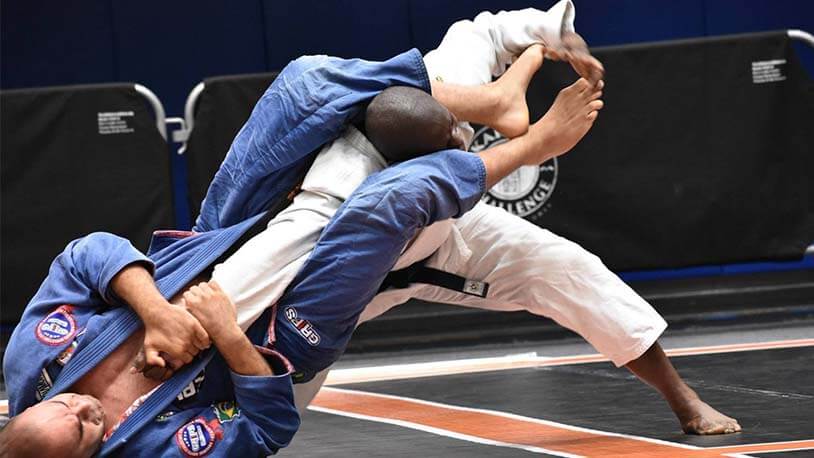
What Makes Brazilian Jiu-Jitsu Unique?
Is Brazilian Jiu-Jitsu good for self-defense because of its unique approach? Absolutely. Brazilian Jiu-Jitsu is a ground-based martial art that focuses on leverage, submissions, and control. Unlike striking arts such as boxing or Muay Thai, BJJ centers on using technique rather than brute strength to subdue an opponent. This makes it particularly effective in self-defense situations, where you might face someone larger or stronger.
The beauty of BJJ lies in its emphasis on technique. You don’t need to be a heavyweight champion to execute a chokehold or an armbar. Instead, BJJ teaches you how to use your opponent’s movements against them, making it a martial art that’s accessible to people of all sizes and strength levels. At X3 Sports, our BJJ classes are structured to help you master these techniques, whether you’re a beginner or an advanced practitioner.
Why is Brazilian Jiu-Jitsu Good for Self-Defense?
- Focus on Real-World Scenarios: One of the main reasons Brazilian Jiu-Jitsu is good for self-defense is its focus on real-world scenarios. At X3 Sports, our BJJ practitioners spend a significant amount of time sparring with fully resisting partners, which simulates the unpredictability of a real-life confrontation. This live training allows you to develop a deep understanding of body mechanics and control, essential for any self-defense situation.
- Control Without Causing Harm: In many self-defense situations, the goal is not necessarily to hurt your opponent but to control them until you can safely escape or until help arrives. BJJ excels in this area. Techniques like joint locks and chokes allow you to neutralize a threat without causing permanent damage, which can be important in situations where excessive force might lead to legal repercussions. Our instructors at X3 Sports emphasize this approach, ensuring you’re prepared to defend yourself while minimizing harm to others.
- Effectiveness Against Larger Opponents: Is Brazilian Jiu-Jitsu good for self-defense when facing a larger opponent? Definitely. One of the most common self-defense scenarios is being attacked by someone larger and stronger. BJJ was designed with this in mind. The techniques taught in BJJ emphasize leverage and positioning, allowing a smaller person to control and submit a larger adversary. This is particularly valuable for women or smaller individuals who may find themselves in vulnerable situations. At X3 Sports, our BJJ programs are tailored to help you build confidence and competence, regardless of your size or strength.
- Dealing with Multiple Attackers: While BJJ is primarily a one-on-one martial art, the principles of control and positioning it teaches can be valuable when dealing with multiple attackers. By neutralizing one opponent quickly, you reduce the immediate threat and give yourself a better chance to escape or deal with the next threat. X3 Sports integrates this strategic thinking into our training sessions, preparing you for complex scenarios.
- Mental Toughness and Confidence: Beyond the physical techniques, BJJ builds mental toughness and confidence. Knowing that you have the skills to defend yourself can be empowering. This confidence often translates into how you carry yourself, which can deter potential attackers before a physical confrontation even begins. Training at X3 Sports not only enhances your physical abilities but also strengthens your mental resilience.
Real-Life Applications of BJJ in Self-Defense
BJJ has proven its effectiveness time and again in real-life situations. Law enforcement officers, military personnel, and even civilians have used BJJ techniques to protect themselves and others. Here are a few examples:
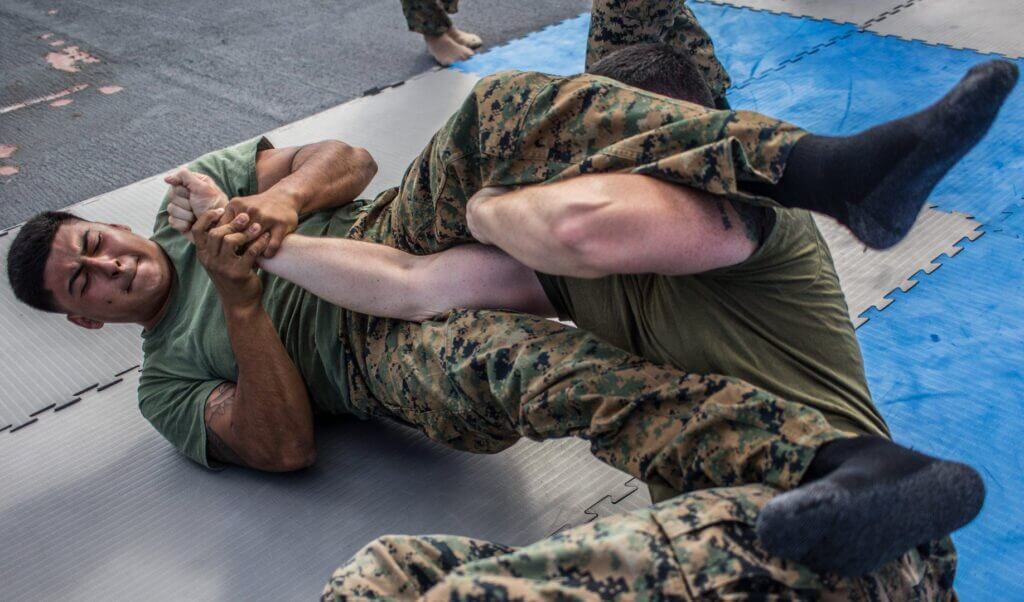
- Law Enforcement: Police officers often find themselves in situations where they need to control a suspect without causing injury. BJJ techniques like the rear-naked choke and the Kimura lock are commonly taught in law enforcement training for this reason. These techniques allow officers to subdue suspects effectively and safely. At X3 Sports, we incorporate these practical techniques into our curriculum, ensuring you’re equipped with the same skills used by professionals.
- Military Use: The military also incorporates BJJ into its training programs. The Marine Corps Martial Arts Program (MCMAP) includes BJJ techniques because of their effectiveness in close-quarters combat. Soldiers need reliable methods to control opponents, and BJJ provides just that. X3 Sports’ BJJ classes draw on these combat-tested methods, making sure you receive training that’s as close to real-world application as possible.
- Civilians in Self-Defense Situations: There are countless stories of everyday people using BJJ to defend themselves. Whether it’s a woman fending off an attacker in a parking lot or someone controlling an aggressive individual in a bar, BJJ techniques have saved lives. The art’s focus on real-world application makes it a go-to for anyone serious about self-defense. At X3 Sports, we take pride in offering BJJ classes that not only teach you the techniques but also prepare you to use them effectively in real-life situations.
The Limitations of BJJ in Self-Defense
While BJJ is highly effective, it’s important to acknowledge its limitations in self-defense situations:
- Striking Arts Are Also Important: Is Brazilian Jiu-Jitsu good for self-defense if it lacks striking techniques? BJJ is primarily a grappling art and doesn’t focus on striking techniques like punches, kicks, or elbow strikes. In a self-defense situation, knowing how to strike effectively can be crucial, especially if you need to create distance between yourself and an attacker. For this reason, many BJJ practitioners cross-train in striking arts like Muay Thai or boxing. X3 Sports offers a variety of classes, including Muay Thai and boxing, so you can become a well-rounded martial artist.
- Weapons Defense: BJJ does not typically focus on dealing with weapons. If an attacker has a knife, gun, or blunt object, grappling with them may not be the best strategy. In such cases, it’s important to have some knowledge of weapons defense, which might come from other martial arts or specialized self-defense training. X3 Sports provides self-defense workshops and training that cover these scenarios, ensuring you’re prepared for a wider range of threats.
- Multiple Attackers: While BJJ techniques can be effective against multiple attackers, the reality is that grappling with one person can leave you vulnerable to others. In situations with multiple attackers, striking and evasion might be more practical strategies. X3 Sports’ comprehensive training approach helps you develop skills across multiple disciplines, making you better equipped for any situation.
Combining BJJ with Other Martial Arts
To address some of these limitations, many practitioners combine BJJ with other martial arts. A common combination is BJJ and Muay Thai, which covers both grappling and striking. This hybrid approach ensures that you’re well-rounded and prepared for a wider range of self-defense scenarios. At X3 Sports, we offer a full range of classes, from BJJ to Muay Thai to boxing, allowing you to tailor your training to your specific needs.
Additionally, incorporating self-defense classes that focus on situational awareness, de-escalation, and weapons defense can further enhance your ability to protect yourself. X3 Sports’ self-defense programs are designed to complement your BJJ training, giving you a well-rounded skill set.
Final Answer: Is Brazilian Jiu-Jitsu Good for Self-Defense?
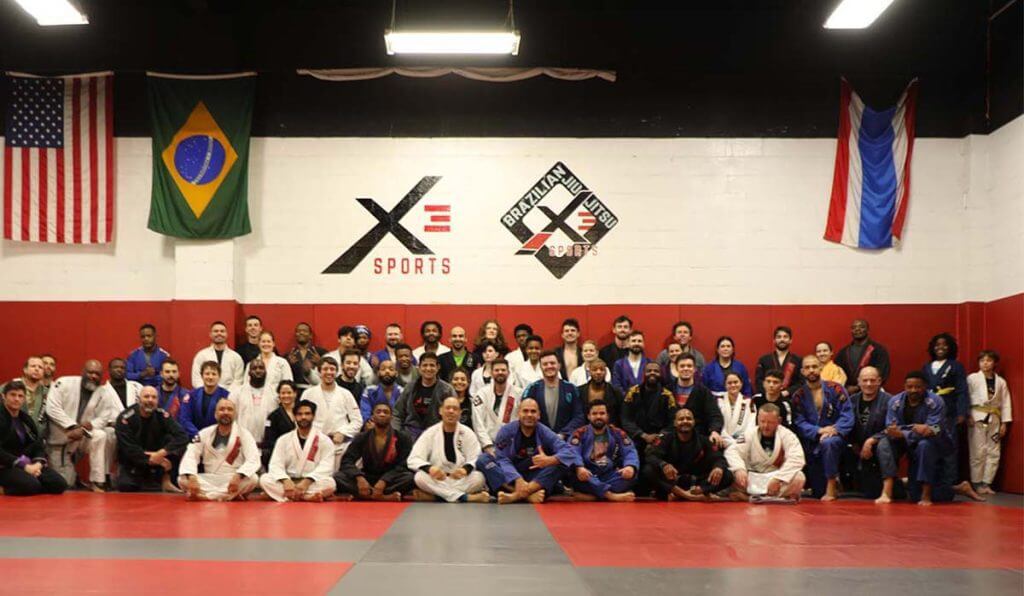
So, is Brazilian Jiu-Jitsu good for self-defense? Absolutely. Its emphasis on technique, control, and real-world application makes it one of the most effective martial arts for self-defense. However, it’s important to recognize its limitations and consider cross-training in other disciplines to become a well-rounded martial artist.
Whether you’re looking to boost your confidence, learn how to handle yourself in a confrontation, or simply get in better shape, BJJ offers invaluable tools for self-defense. With regular training, you’ll not only develop the physical skills needed to protect yourself but also the mental resilience to face challenges head-on.
At X3 Sports, our BJJ classes are designed to help you build these skills in a supportive and dynamic environment. Whether you’re a beginner or an experienced martial artist, our instructors will guide you through the techniques that make BJJ such a powerful tool for self-defense. So, if you’re serious about learning how to defend yourself effectively, BJJ at X3 Sports is definitely worth your consideration.
Sign up for a free class to roll around with the best trainers in Atlanta at the best BJJ academy!
All-Inclusive Fitness, Unbeatable Value: Join X3 Sports North Marietta Today!

Are you in search of a gym in North Marietta that offers top-tier fitness options and an incredible community atmosphere? X3 Sports North Marietta is the destination for you. Conveniently located near Kennesaw, Woodstock, and just minutes from Kennesaw State University, our gym is a hub for fitness enthusiasts who want to take their training to the next level.
Learn more about all-inclusive memberships.
Discover the Best Boxing Classes in North Marietta
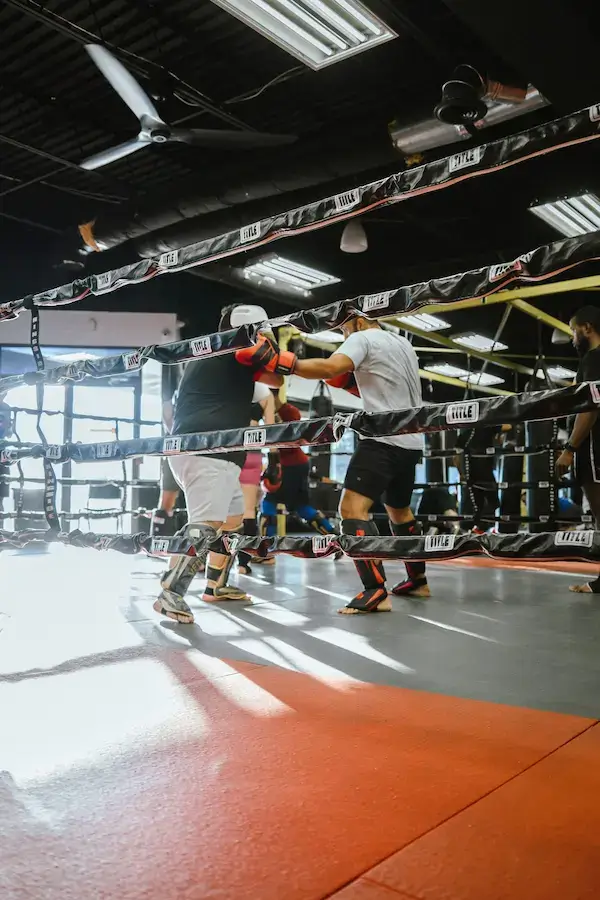
At X3 Sports North Marietta, boxing is not just a workout—it’s a way of life. As the most popular class at our location, our boxing program is designed to deliver results, whether you’re a seasoned fighter or just starting out. Our expert trainers focus on technique, conditioning, and building confidence, making our classes ideal for everyone, from beginners to advanced athletes.
Here’s what makes our boxing classes stand out:
- Expert Instruction: Our trainers bring years of experience and a passion for boxing that is contagious. Whether you’re looking to improve your skills, get fit, or relieve stress, you’ll find the guidance and support you need in our classes.
- Comprehensive Training: Our boxing classes cover everything from footwork and punching techniques to endurance and strength training. You’ll get a full-body workout that sharpens both your mind and body.
- Community Vibe: Join a group of dedicated individuals who share your passion for boxing and fitness. At X3 Sports North Marietta, you’ll find a supportive environment where you can push your limits and achieve your goals.
Why X3 Sports North Marietta is the Best Gym for You
X3 Sports North Marietta is more than just a place to work out—it’s a community where people from all walks of life come together to improve their fitness and well-being. Our location is perfectly situated to serve residents from North Marietta, Kennesaw, Woodstock, and the surrounding neighborhoods.
Here’s why our gym is the top choice in the area:
- Proximity to Kennesaw State University: Just a short drive from KSU, our gym is the perfect spot for students and faculty looking to stay fit and healthy without straying far from campus.
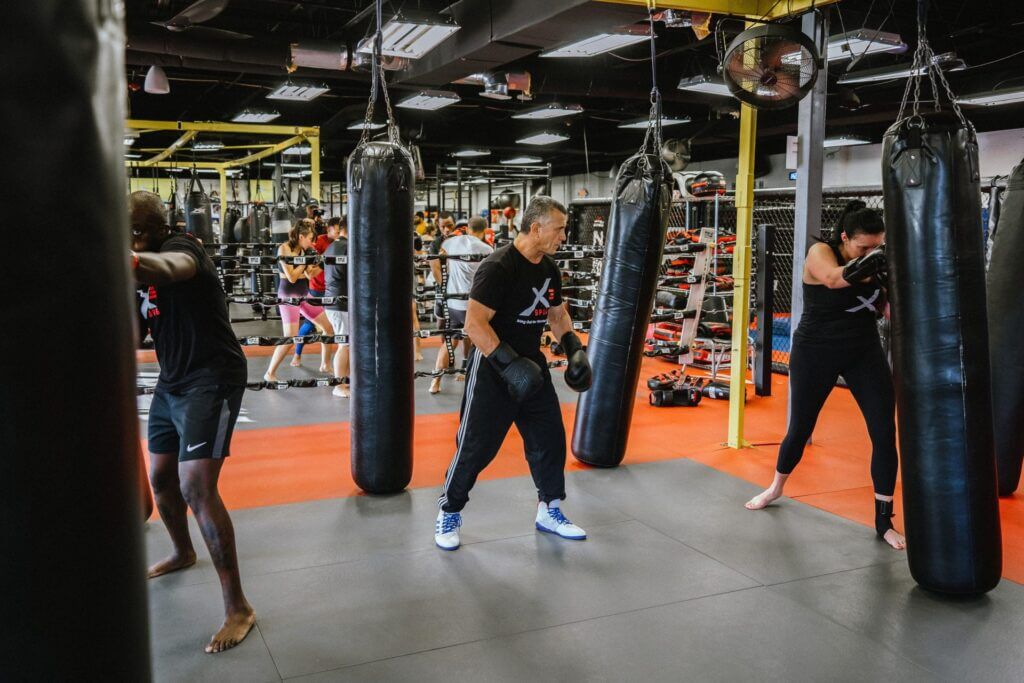
- Variety of Classes: While boxing is a highlight, our North Marietta location offers a wide range of classes, including Kickboxing, Muay Thai, Brazilian Jiu-Jitsu, and strength training. There’s something for everyone, no matter your fitness level or interest.
- State-of-the-Art Facilities: Our gym is equipped with the latest training equipment to help you get the most out of every workout, whether you’re focusing on cardio, strength, or skill development.
The Benefits of an All-Inclusive Membership at X3 Sports North Marietta
The All-Inclusive Membership at X3 Sports North Marietta offers unmatched value, giving you access to all our classes and facilities without any extra costs. Whether you’re interested in boxing, exploring other martial arts, or simply want a place to stay fit, our membership is the perfect solution.
Here’s what you can expect:
- Diverse Training Options: Enjoy unlimited access to our most popular classes, including boxing, and explore other fitness disciplines to keep your routine fresh and exciting.
- Convenient Location: Serving North Marietta, Kennesaw, Woodstock, and beyond, our gym is easily accessible and perfect for fitting fitness into your busy schedule.
- Affordable Membership: With memberships starting at just $99/month, you get incredible value for a comprehensive fitness experience.
Join the X3 Sports North Marietta Family Today!
If you’re ready to take your fitness to new heights, X3 Sports North Marietta is the place for you. With our top-rated boxing classes, expert coaching, and a community that supports your goals, there’s no better gym in the North Marietta area. Check out our schedule and sign up for a free class to see why X3 Sports is the go-to gym for boxing and more in North Marietta, Kennesaw, and Woodstock!
MMA vs. Jiu-Jitsu: Breaking Down the Differences and Why You’ll Want Both

Two of the biggest sports in the martial arts community are MMA and Jiu Jitsu. Unless you live under a rock, you’ve probably heard about both- massively popular competitions or famous fighters and celebrities who practice them. So MMA vs. Jiu-Jitsu, what’s the deal?
Whether you’re new to the martial arts scene and thinking about joining the craze or you’ve been around the block a few times, understanding what makes these two disciplines unique—and how they complement each other—can seriously level up your game. So, let’s get into it and break down the differences, the similarities, and why you might want to train in both.
What’s the Deal with MMA and Jiu-Jitsu?
What is MMA?
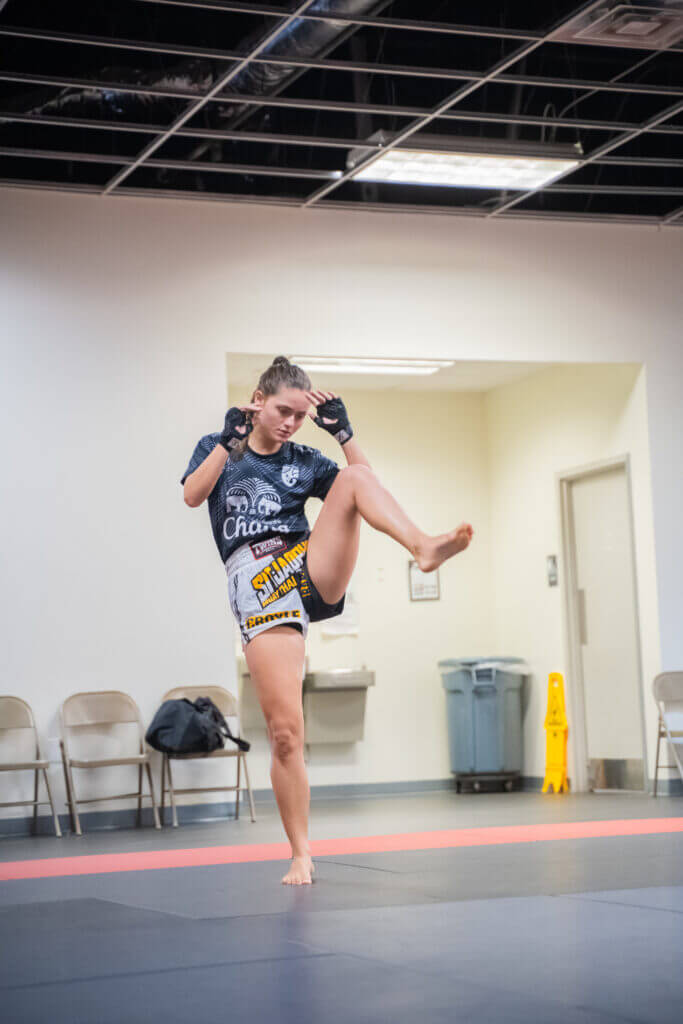
MMA, or Mixed Martial Arts, is like the ultimate buffet of fighting styles. It’s a sport that blends techniques from boxing, wrestling, Jiu-Jitsu, Muay Thai, and more. If you’ve ever watched a UFC fight, you’ve seen MMA in action—fighters using a mix of punches, kicks, grapples, and submissions to get the win. MMA fighters need to be well-rounded and ready to adapt to any situation, whether they’re on their feet or on the ground.
What is Jiu-Jitsu?
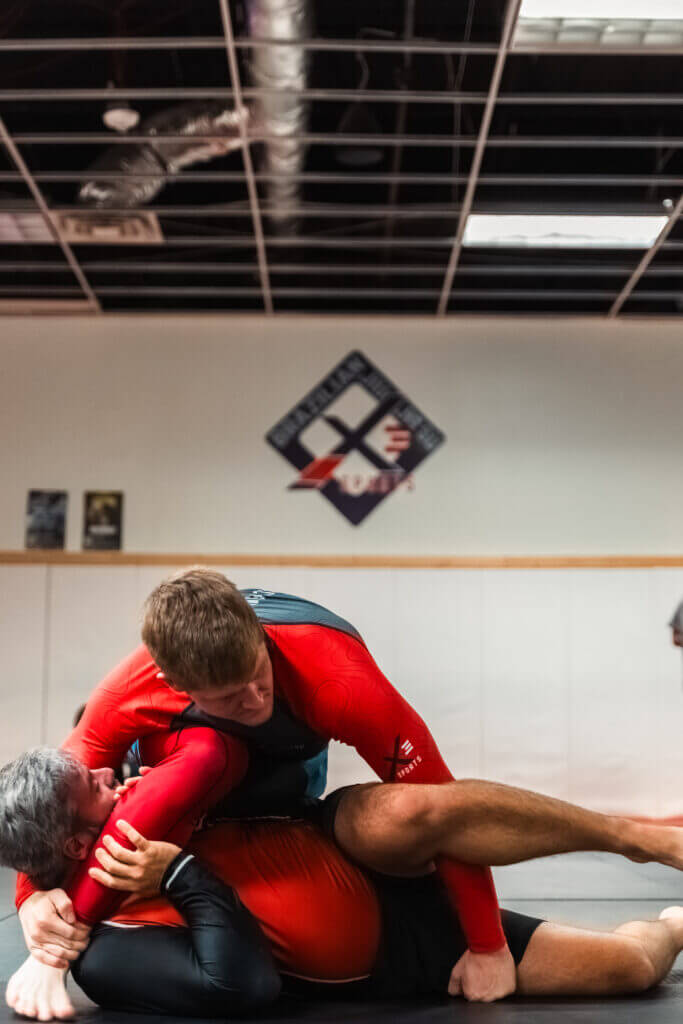
Brazilian Jiu-Jitsu (BJJ) is all about mastering the ground game. It’s a martial art that focuses on grappling and submissions, meaning you learn how to control and submit your opponent using leverage, technique, and strategy. BJJ was popularized by the Gracie family in Brazil, and it’s now a key part of many fighters’ arsenals—especially in MMA. The beauty of Jiu-Jitsu is that it lets a smaller, weaker person defend themselves against a bigger, stronger opponent, which is pretty awesome.
MMA Vs. Jiu-Jitsu: What Are the Differences?
Striking vs. Grappling
Here’s the biggest difference: MMA is a mix of striking (punches, kicks, elbows, etc.) and grappling (takedowns, submissions). In MMA, you need to be good at everything—standing up and throwing hands, as well as hitting the mat and rolling with the punches (literally).
Jiu-Jitsu, on the other hand, is almost entirely focused on grappling. In BJJ, there’s no striking at all—it’s all about taking the fight to the ground and working for a submission. If you’re a Jiu-Jitsu practitioner, you’re all about technique, control, and outsmarting your opponent without needing to throw a single punch.
Training Vibes: What’s the Difference?
MMA training is like a high-energy, all-in-one workout. You’ll be working on striking drills, grappling techniques, conditioning, and sparring—all in the same session. It’s intense, it’s varied, and it keeps you on your toes.
Jiu-Jitsu training, meanwhile, is a bit more focused. You’ll spend most of your time drilling specific techniques and then applying them in sparring (known as rolling). It’s all about refining your skills and learning to control your opponent in a live, but controlled, environment.
Rules and Goals: What’s the Endgame?
In MMA competitions, the goal is pretty simple—defeat your opponent using any combination of strikes, takedowns, and submissions. You can win by knockout, submission, or by impressing the judges if it goes the distance.
In Jiu-Jitsu competitions, it’s all about controlling your opponent and going for a submission. Points are awarded for gaining dominant positions like passing the guard or taking the back, and you can win by submission or by racking up more points than your opponent.
Why MMA and Jiu-Jitsu Are a Match Made in Heaven
Why Jiu-Jitsu is a Must-Have for MMA Fighters
If you’re serious about MMA, you’ve got to have some solid Jiu-Jitsu skills in your back pocket. So many MMA fights end up on the ground, and when they do, your ability to control your opponent and go for submissions is crucial. This is where Jiu-Jitsu comes into play—it’s the secret weapon that can turn a tough situation into a winning one.
The Perks of Training in Both MMA and Jiu-Jitsu
Become a Well-Rounded Fighter
When you train in both MMA and Jiu-Jitsu, you’re covering all your bases. MMA gives you the versatility to handle any situation, while Jiu-Jitsu hones your ground game to a razor-sharp edge. Together, they make you a complete fighter, ready for anything—whether you’re competing, training, or just looking to improve your self-defense skills.
Boost Your Fitness and Mental Toughness
Both MMA and Jiu-Jitsu offer killer workouts that’ll get you in peak physical shape. But beyond the physical benefits, these martial arts also build mental toughness, discipline, and strategic thinking. You’ll learn to stay calm under pressure, think on your feet (or your back), and push through challenges—skills that are as valuable in life as they are in the gym.
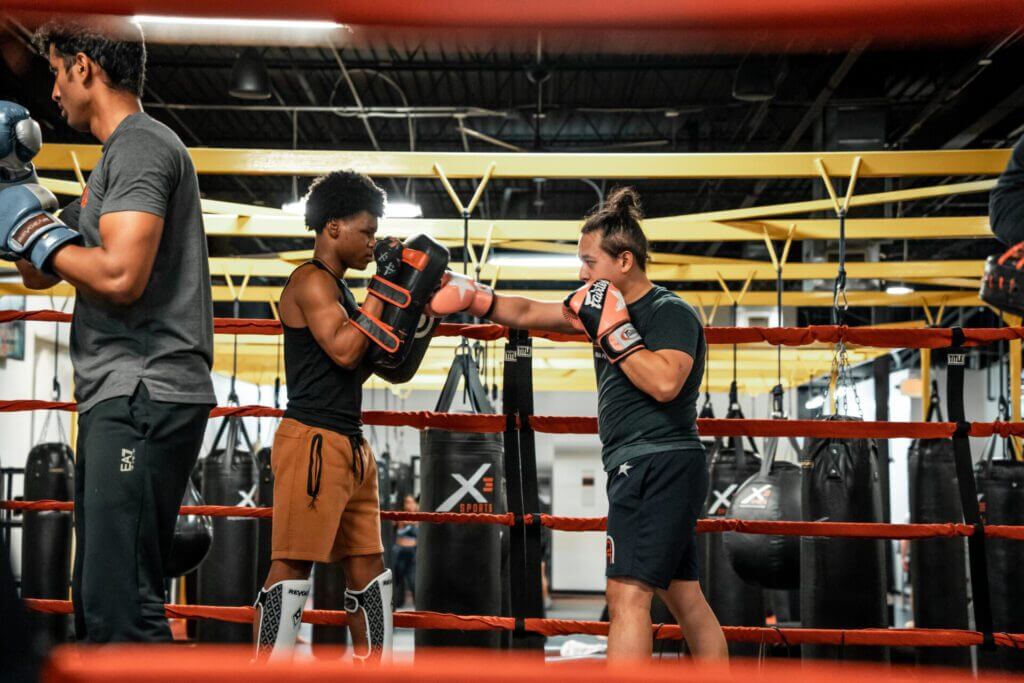
How to Start Training in Both MMA and Jiu-Jitsu
Finding the Right Gym
To get the most out of your training, find a gym that offers both MMA and Jiu-Jitsu classes. At X3 Sports, we’ve got you covered with top-notch instruction in both disciplines across our five locations in metro Atlanta. Whether you’re looking to try something new or take your skills to the next level, we’re here to help you hit your goals.
Balancing Your Training
The key to mastering both MMA and Jiu-Jitsu is finding the right balance. Mix up your training sessions—some days, focus on striking and your overall MMA game; other days, dive deep into your Jiu-Jitsu techniques. This approach keeps your training fresh and helps you build a well-rounded skill set.
Why Training in Both MMA and Jiu-Jitsu is a No-Brainer
The Ultimate Fighter’s Edge
Training in both MMA and Jiu-Jitsu gives you a serious edge. You’ll be able to handle whatever comes your way—whether it’s a stand-up fight, a ground battle, or a real-life self-defense situation. With the combined skills of striking, grappling, and strategic thinking, you’ll be a force to be reckoned with.
Ready to Get Started?
If you’re pumped to start training, we’re here to help. Sign up for a free MMA or Jiu Jitsu class at X3 Sports and see for yourself how MMA and Jiu-Jitsu can take your skills, fitness, and confidence to the next level.
Get the Most Bang for Your Buck at Athens’s Largest Martial Arts Training Center

Are you looking for a gym in Athens that delivers unmatched value and a wide range of workout options? X3 Sports Athens is the place for you. Just 9 miles from the UGA campus, our All-Inclusive Membership provides an all-encompassing fitness experience designed to meet your unique needs and goals.
Learn more about all-inclusive memberships.
Embrace Variety: A Membership Tailored to Athens
Athens is a city known for its rich culture and energetic vibe, and X3 Sports Athens embodies that spirit. Our All-Inclusive Membership offers the flexibility and diversity you need to keep your fitness routine fresh and engaging.
Whether you prefer to exercise in the morning, during a midday break, or after classes, our Athens location is designed to accommodate your schedule with:
- Unlimited Access to Classes: Dive into a range of classes from adrenaline-pumping Kickboxing to the disciplined techniques of Brazilian Jiu-Jitsu, Boxing, Muay Thai, and more. Keep your workouts varied and effective by trying something new every week.
- Top-Tier Facilities in Athens: Our gym features state-of-the-art equipment for everything from strength training to cardio, helping you achieve your fitness goals efficiently.
- Professional Coaching Just Around the Corner: Work with experienced trainers who are passionate about guiding you toward your fitness milestones—right here in Athens.
X3 Sports Athens: More Than Just a Gym
At X3 Sports, we’re committed to offering more than just a place to exercise. As the largest martial arts training center in Athens, our gym is a community where fitness enthusiasts unite to push their limits and achieve their goals together.
What makes X3 Sports in Athens stand out?
- Community-Driven Environment: Connect with a supportive network of individuals in Athens who are equally dedicated to fitness and personal growth.
- Holistic Support: Benefit from personalized workout plans and expert nutrition advice, all tailored to help you succeed on your fitness journey in Athens.
- Prime Location: Located a short drive from UGA, our gym offers easy access, making it convenient to integrate fitness into your daily life.
Why Choose the All-Inclusive Membership at X3 Sports Athens?
The All-Inclusive Membership at X3 Sports Athens is designed to provide exceptional value and convenience. You’ll have access to a variety of classes and top-tier amenities without any hidden costs, allowing you to explore different fitness options freely.
Here’s what you can look forward to:
- Enhanced Fitness Levels: Experience a well-rounded approach to fitness that improves your strength, endurance, flexibility, and mental toughness—all just a few miles from UGA.
- Affordable Excellence: Combine all your fitness needs into one cost-effective package at our Athens location.
- Continuous Motivation: With a broad selection of classes, you’ll stay engaged and motivated, avoiding the common workout plateau.
- Competitive Rates: Our all-inclusive memberships start at just $99/month, making it one of the most affordable and valuable options in Athens.
Become Part of the X3 Sports Athens Community Today!
Ready to elevate your fitness journey in Athens? The X3 Sports All-Inclusive Membership offers everything you need to succeed—unlimited classes, expert guidance, and a vibrant community, all within a short drive from UGA. Don’t hesitate—explore our class schedule and sign up for a free session at our Athens location to see why X3 Sports is the best-kept fitness secret in the city!
Train Like a Champion: Why You Need an MMA Personal Trainer in Your Corner

When it comes to Mixed Martial Arts (MMA), the phrase “train like a champion” isn’t just a catchy slogan—it’s a lifestyle. Whether you’re aiming to step into the octagon or just want to train like a pro, an MMA personal trainer can be the game-changer you need to elevate your skills and fitness. Here’s why investing in an MMA personal trainer is your ticket to success.
What Makes MMA Training Unique?
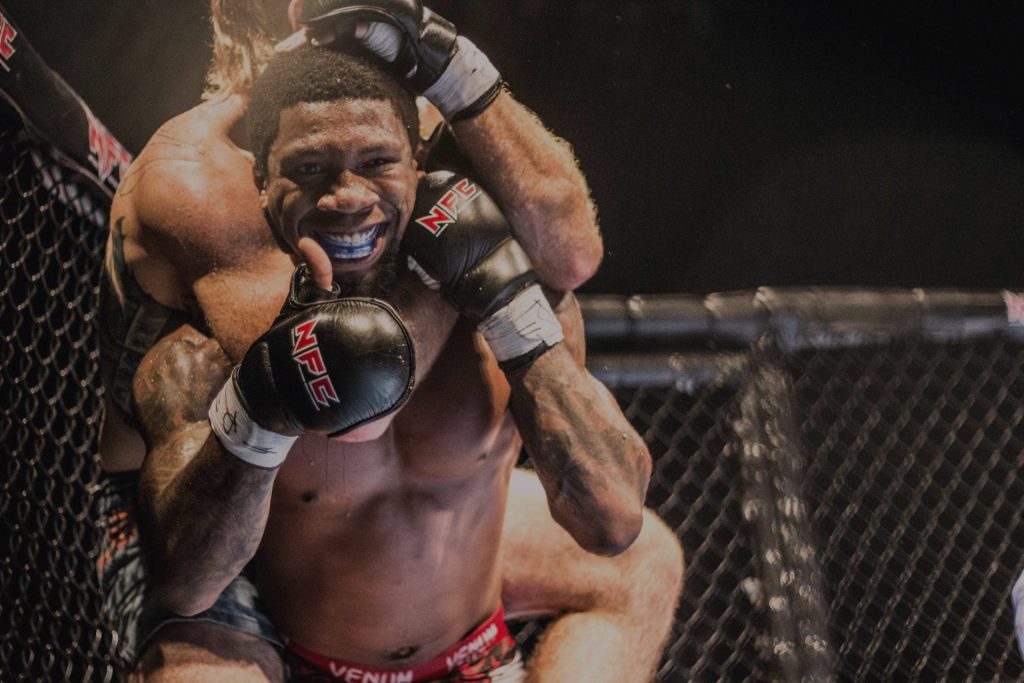
MMA is a sport unlike any other because it requires a mastery of multiple disciplines. From Brazilian Jiu-Jitsu and Muay Thai to wrestling and boxing, MMA demands proficiency in a variety of fighting techniques. This diverse skill set makes MMA training both challenging and incredibly rewarding, but it also requires a well-rounded training approach that a personal trainer can uniquely provide.
The Physical and Mental Demands of MMA
MMA isn’t just about physical strength; it’s about mental fortitude as well. The sport pushes you to your limits, requiring not only peak physical conditioning but also the mental toughness to keep going when the going gets tough. An MMA personal trainer understands these demands and can help you develop the resilience needed to succeed.
Why Specialized Training is Essential if You Want in The Ring
Given the complexity of MMA, specialized training is essential. Generic workout plans won’t cut it if you’re serious about mastering the sport. An MMA personal trainer tailors your training to address your strengths, weaknesses, and goals, ensuring that every session is a step toward becoming a more formidable fighter.
The Role of an MMA Personal Trainer
Tailored Training Programs
One of the greatest benefits of having an MMA personal trainer is the personalized training program they create for you. This isn’t just about picking exercises that sound tough; it’s about designing a program that aligns with your specific goals, whether it’s improving your striking, grappling, or overall conditioning.
Focus on Technique and Form
In MMA, technique is everything. A powerful punch is useless if it leaves you off-balance or vulnerable to a counterattack. An MMA personal trainer ensures that your form is flawless, which not only improves your effectiveness in the ring but also reduces the risk of injury.
Building Mental Toughness and Resilience
MMA is as much a mental game as it is a physical one. Your trainer will push you past your comfort zone and give you meaningful support along the way, helping you build the mental toughness needed to persevere through grueling training sessions and tough fights. This mental edge is often what separates the good fighters from the great ones.

Benefits of Having an MMA Personal Trainer Even If You’re Not Training for Competition
Faster Skill Development
With a personal trainer, your skill development accelerates. Rather than spending years trying to piece together techniques on your own, a trainer helps you make rapid progress by focusing on the skills that matter most for your goals. This focused approach allows you to become more proficient in a shorter amount of time.
Personalized Nutrition and Recovery Plans
Training like a champion isn’t just about what you do in the gym; it’s also about how you fuel and recover your body. An MMA personal trainer provides personalized nutrition and recovery plans to ensure that your body gets the fuel it needs and that you’re recovering properly between sessions.
Injury Prevention and Management
Injuries are a part of any combat sport, but they don’t have to sideline your progress. An experienced MMA personal trainer knows how to design workouts that minimize injury risk and can also provide guidance on managing existing injuries. This helps you stay in the game and continue improving, even when dealing with physical setbacks.

How to Choose the Right MMA Personal Trainer
Credentials and Experience
Not all trainers are created equal, and there is no one-size-fits-all, especially in a sport as demanding as MMA. Look for a trainer with solid credentials and experience, particularly in MMA. A background in multiple martial arts disciplines and experience training fighters can make a significant difference in the quality of instruction you receive.
Understanding Your Goals
Your goals are unique, and your trainer should understand that. Whether you’re looking to compete, get in the best shape of your life, or simply learn self-defense, choose a trainer who listens to your objectives and tailors your training accordingly.
Finding the Right Training Style
Every trainer has a different style, and finding one that meshes well with your personality and learning style is crucial. Whether you prefer a drill-sergeant approach or a more supportive coaching style, make sure your trainer’s method of instruction motivates and challenges you.
What to Expect When Working with an MMA Personal Trainer
The Initial Assessment and Goal Setting
Your journey with an MMA personal trainer typically begins with an assessment of your current fitness level, skills, and goals. This initial phase is critical for getting to know each other, setting realistic expectations, and laying the foundation for your training program.
Adapting to a Personalized Training Regimen
As you dive into your personalized training regimen, expect to be challenged in new ways. Your trainer will push you to improve your weaknesses while refining your strengths, ensuring that you become a more well-rounded fighter.
Tracking Progress and Adjusting Plans
Progress in MMA isn’t linear, and that’s where having a personal trainer truly pays off. Your trainer will track your progress and adjust your training plan as needed, ensuring that you’re constantly improving and overcoming any training plateaus.
Elevate Your Training with an MMA Personal Trainer at X3 Sports
Investing in an MMA personal trainer isn’t just about getting in shape—it’s about transforming yourself into a fighter with the skills, strength, and mental toughness to succeed. Whether you’re aiming for competition or just want to train like the pros, an MMA personal trainer is your key to unlocking your full potential.
Ready to take your training to the next level? Sign up for a free personal training consultation at X3 Sports and discover how an MMA personal trainer can help you train like a champion.